Complete Guide to Cusco for First Timers
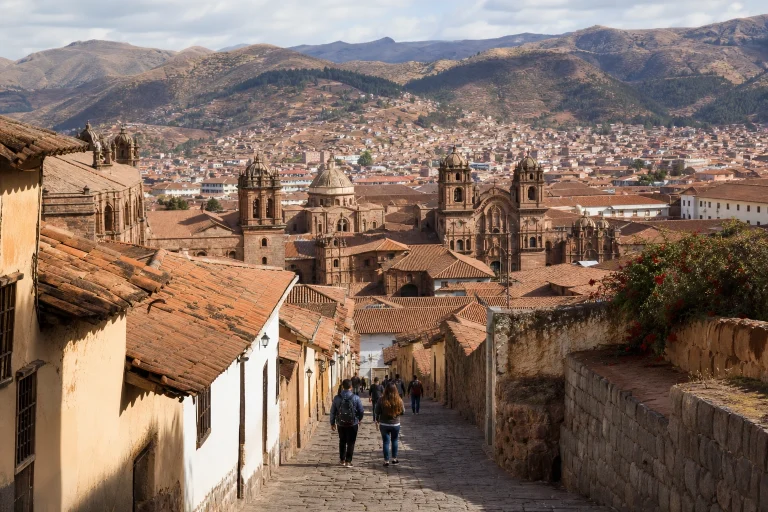
Just as you catch your breath at 3,400 meters, Cusco catches yours again with Inca walls fitted tight as puzzle pieces beside carved colonial balconies. You can base yourself near Plaza de Armas or San Blas and walk to the cathedral’s silver altar, then climb to Sacsayhuamán for wide city views and windy silence. Come in the dry months if you can, take acclimatizing seriously, and save the pisco for later, because the real decisions start next.
Key Takeaways
- Cusco blends Inca stonework and Spanish colonial architecture, with Plaza de Armas anchoring the city’s historic center and first-time sightseeing.
- Use Cusco as your base for Machu Picchu, the Sacred Valley, Rainbow Mountain, Humantay Lake, and Sacsayhuamán.
- Visit from May to October for drier weather, or choose March, April, October, or November for fewer crowds and easier logistics.
- At 3,400 meters, Cusco’s altitude can hit hard, so rest, hydrate, drink coca tea, and delay big hikes for two to three days.
- Fly into Alejandro Velasco Astete Airport, then take a low-cost taxi, Uber, or InDriver to stay near Plaza de Armas for convenience.

Cusco City Tour Four Ruins in Half-Day
Enjoy the Ancient Inca Capital of Cusco .This Tour is half a day that includes a visit to the main square , the Temple of Sun Koricancha nearby ruins...

Peruvian Cooking Class Cocktails and Market Tour in Cusco
You will cook 3 Peruvian courses and 2 cocktails. Our Peruvian Cooking, cocktails and market tour starts at San Pedr...

Cusco Cooking Classes and San Pedro Market Tour
Enjoy a 4-hour cooking tour in the morning or in the afternoon including the visit to the colorful San Pedro Market...
Why Visit Cusco?
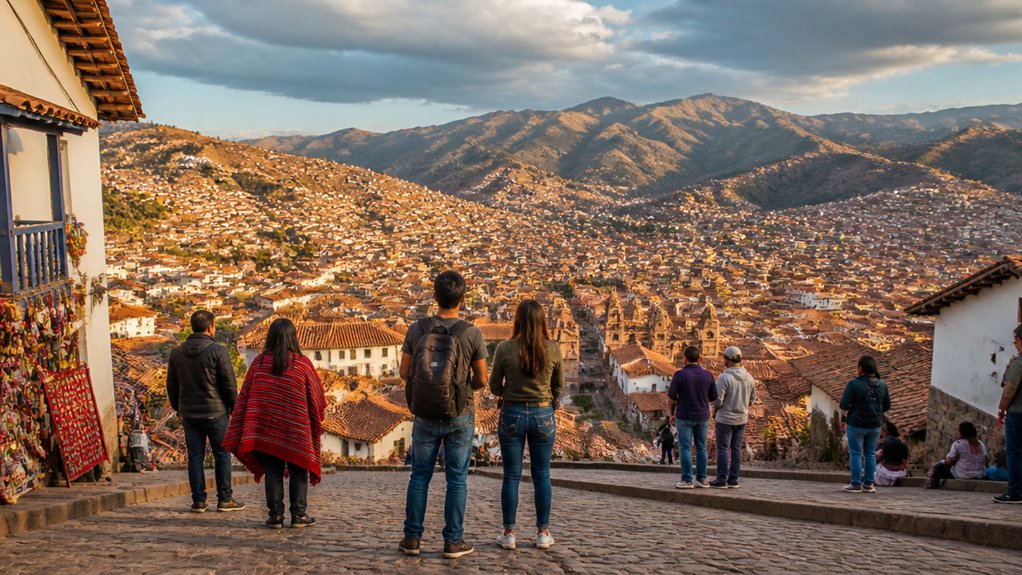
Few places make a first impression like Cusco. You arrive in a city where Inca stonework and Spanish colonial facades share the same streets. That layered history gives Cusco its pull. You don’t just see ruins. You feel a living culture shaped by an imperial past.
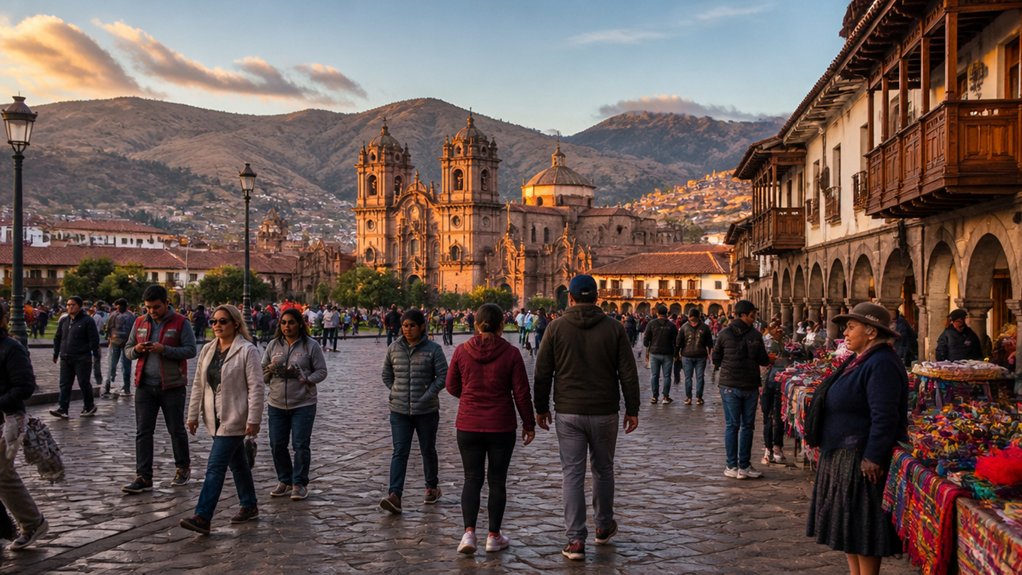
Start at the Plaza de Armas, where church bells, carved balconies, and busy cafes set the tone for your day. A walk through Plaza de Armas reveals why this square remains the historic and cultural heart of Cusco. Cusco once stood as the Inca world’s center, and that legacy still frames how you travel through it. It’s also the practical launch point for Machu Picchu, the Sacred Valley, and high-altitude hikes like Rainbow Mountain. As a World Heritage city, Cusco rewards slow walks as much as big adventures. If you’ve daydreamed about visit Tulum, this feels richer, older, and higher too.
Best Time to Visit Cusco
You’ll usually get the best first look at Cusco from May to October, when dry days bring clearer skies for city walks and big hikes like the Inca Trail or Salkantay. If you come in the rainy season from November to April, you’ll see greener hills and misty stone ruins, but you should plan for wet trails, surprise showers, and the occasional cloud-covered Machu Picchu photo. Want a smart middle ground? Try March, April, October, or November, when you can often catch solid weather without the peak season crowds and prices of June through August. A month-by-month look at Cusco weather can help you fine-tune your timing based on rainfall, trail conditions, and visibility.
Dry Season Highlights
If clear skies and easier hiking are high on your list, Cusco’s dry season from May to October is the sweet spot. This Time of Year brings steadier weather at altitude, so you’ll usually get sharper views and firmer trails around Cusco.
For Machu Picchu, the Inca Trail, and Salkantay, the Dry season, especially June through August, gives you better visibility and less mud underfoot. That makes early starts feel worth it. Crowds do peak then, though, so book trains, permits, and tours well ahead. June also brings inti raymi, Cusco’s biggest cultural spectacle, with parades, music, and a strong sense of Inca history in the streets. Days often feel mild and bright, but nights can turn freezing fast, so pack warm layers unless you enjoy chattering teeth at dinner. Because Cusco sits at high elevation, it’s smart to plan for altitude sickness by taking it easy your first day and staying well hydrated.
Rainy Season Tradeoffs
While Cusco’s rainy season from November to April brings regular showers and the occasional real soaking, it also paints the hills a richer green and thins out the biggest crowds. In the Cusco rainy season, you’ll often find fewer tourists than in the dry season, plus softer light on the mountains. But day hikes can get slick, and visibility can be hit-or-miss around Machu Picchu and high viewpoints.
- Mornings usually give you the best shot before afternoon storms roll in.
- Trails can feel muddier and wilder, with wet stone, dripping grass, and cloud-wrapped ridges.
- February’s Inca Trail closure can affect planning, even if you’re mostly based in the city.
Rainy afternoons are also a good time to shift gears and enjoy cozy plan ideas around Cusco instead of chasing mountain views.
If you don’t mind packing a rain layer, you’ll trade crisp skies for lush scenery and quieter plazas.

Sacred Valley Full-Day Private Tour from Urubamba & Ollantaytambo
Explore the best and most unique sites of the Sacred Valley on a leisurely full-day tour with a local guide. This pr...

The Best Private Sacred Valley Tour in Cusco ( with Pisac)
We know very well each place of this tour, since we have been grown in this area and we studied over 3 years to get...

Horseback Riding Mystic Tour Temple of the Moon & Chacan Mountain
Pick up at your hotel at 9:00 am or 1:00 pm Meet our noble horses at the ranch. An informative briefing before you...
Shoulder Months Balance
For many first-timers, the shoulder months hit a sweet spot. In Cusco, March–April and October–November often give you pleasant days, thinner crowds, and easier logistics. You still catch fairly stable sightseeing weather, especially compared with the rainy season November–April, when clouds and downpours can scramble plans.
That balance matters if you’re heading to Machu Picchu or other high-altitude stops. The dry season runs May–October, but June through August draw the biggest crowds and June adds Inti Raymi buzz. If you choose shoulder months, you’ll usually find better room availability and less line-standing. For trekking, you can often get crisp mountain views without the muddy drama that heavier rains bring. Think bright mornings, quieter plazas, and trails that don’t feel like a group project with alpacas. If your trip edges into winter, Cusco winter generally brings cooler nights and dry, sunny days that still work well for first-time sightseeing.
Cusco Altitude and How to Acclimatize
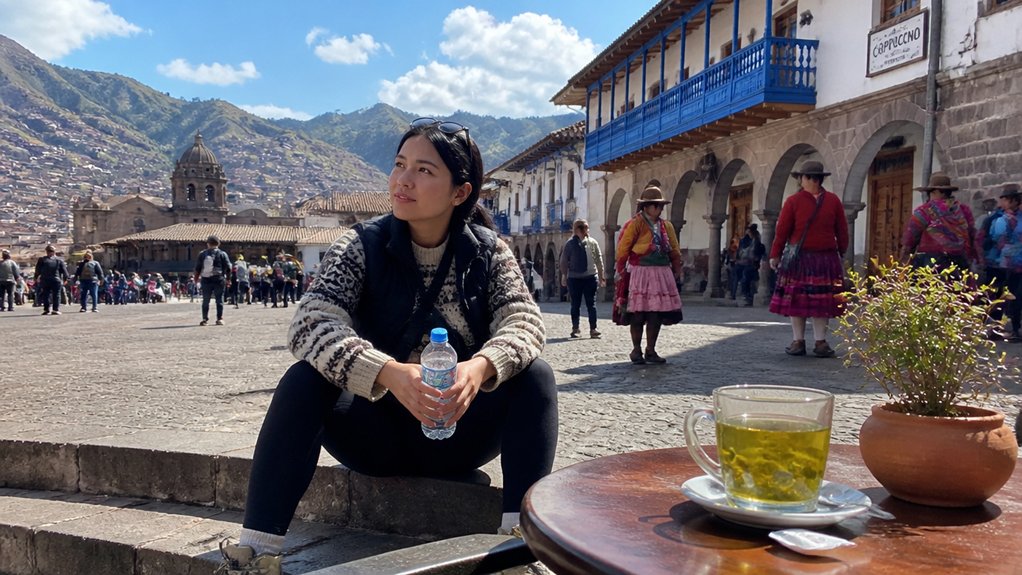
Because Cusco sits around 3,400 meters above sea level, the city can feel amazing and slightly disorienting at the same time. The Cusco altitude can hit fast, so you’ll want to acclimatize smartly. If thinner air leaves you with headache, nausea, fatigue, or dizziness, don’t shrug it off as ordinary travel tiredness.
- Rest and hydrate as soon as you arrive
- Sip coca tea to ease altitude sickness discomfort
- Avoid alcohol and save big hikes for two to three days
Give yourself permission to move slowly. Cobblestone streets and uphill walks can feel steeper than they look. Take short strolls, skip hard workouts, and listen to your body. If symptoms turn strong or persistent, keep resting, drink more water, and stop pushing through. Cusco rewards patience. Your lungs will thank you later. These Cusco travel tips can make your first days in the city much more comfortable.
How to Get to Cusco
You’ll likely arrive through Cusco’s Alejandro Velasco Astete Airport, just about 15 minutes from downtown, though some travelers also come in by train or bus for a slower first look at the Andes. Once you land, you can grab a taxi to the Old Town near Plaza de Armas for under about $5 USD if you confirm the fare first, or use Uber when you want simpler pricing. The trip from the airport to the city center is usually quick, making Historic Center transportation straightforward for most first-time visitors. If your plans stretch into the Sacred Valley or beyond, you’ll spot colectivos rumbling out to towns like Pisac and Ollantaytambo, and you can book a guided transfer for the longer winding roads.
Flights To Cusco
If getting to Cusco feels like the first big step of the trip, it’s also one of the easiest. Most flights to Cusco land at Alejandro Velasco Astete International Airport, about 15 minutes from downtown. You’ll likely skip thoughts like fly into Cancun, beach days, the hotel zone, or any guide to Tulum once the Andes appear outside your window. For first-time visitors, staying near the historic center makes airport transfers and early sightseeing especially convenient.
- Take a taxi to Plaza de Armas or the old town. A short round-trip often costs under $5.
- Use Uber or InDriver from the airport if you want better pricing and simple travel tips.
- A rental car helps for multi-day Sacred Valley exploring, but roads can feel gloriously wild.
For cheaper day trips later, shared colectivos reach Pisac or Ollantaytambo for just a few soles. Save your driving confidence for afterward.
Train And Bus
While Cusco doesn’t have a classic long-distance train that rolls you straight into the city, getting there by bus or by mixed transport still feels like part of the adventure. Most travelers reach Cusco from Lima or other Peruvian cities by bus, or they connect different legs after landing at Alejandro Velasco Astete International (CUZ).
If you go overland, expect a high-altitude journey with winding mountain roads, big views, and the need to pace yourself once you arrive. Within the region, colectivos help you move cheaply and often between Cusco and Sacred Valley towns like Pisac or Ollantaytambo. They’re practical, a little chaotic, and part of local life. Build in extra time for any bus or collectivos segment, since mountain traffic and loose schedules can turn a simple ride into a small Andean plot twist. Once you’re in the city, colectivos are also one of the easiest ways to get around Cusco without a car.

Machu Picchu Day Trip from Cusco: Full-Day Guided Tour
Our Day trip to Machu Picchu from Cusco is a beautiful way to see one of the World's New Seven Wonders. Happy Gringo...

Machu Picchu Full Day Tour from Cusco
Visit the magical site of Machu Picchu on a personalized services, only for you, you dont need to rush, take your ti...

Machu Picchu Official Ticket Circuit 2, Bus & Private Guide
Discover Machu Picchu, one of the New Seven Wonders of the World and the most iconic Inca citadel, on a private tour...
Arrival And Transfers
Since Cusco’s airport sits close to the city, arrival feels surprisingly easy for a place wrapped in mountains. You’ll land at Cusco main airport, Alejandro Velasco Astete International (CUZ), then reach downtown in about 15 minutes. A taxi into the historic center usually costs under $5 USD, so your first ride feels pleasantly painless. If you have extra time between flights, a quick look at Cusco Airport layover tips can help make a short stopover smoother.
- Use taxis or rideshare apps for quick hops, especially uphill from the airport area.
- Try InDriver if you want another easy app option once you’re in town.
- Take colectivos/shared vans to Pisac or Ollantaytambo for a few soles.
If you’re planning longer day trips, renting a car sounds tempting. Still, Cusco roads can feel wild, with honking, tight turns, and sudden climbs. Unless you’re confident, let someone else drive.
Where to Stay in Cusco
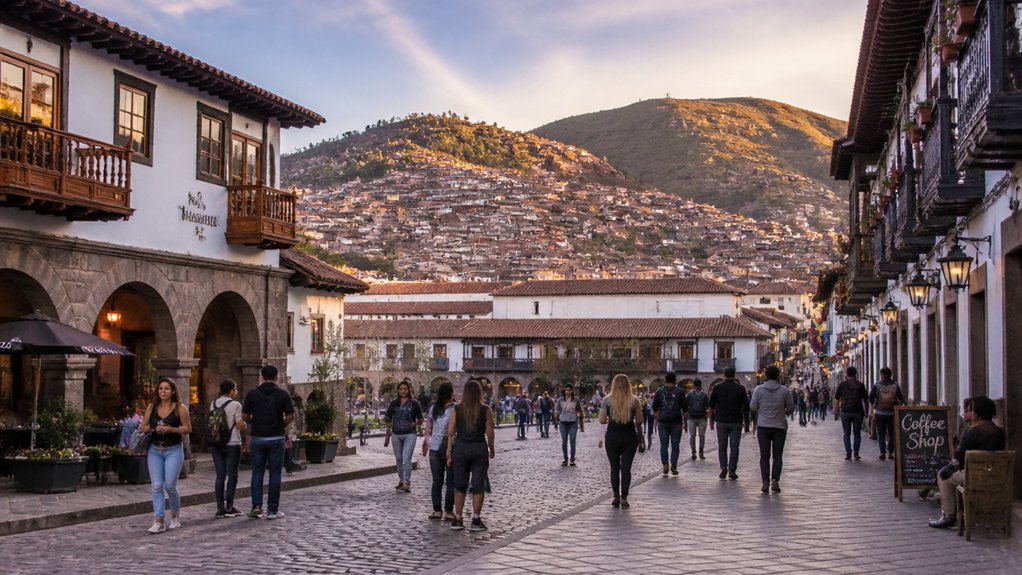
For first-timers, the smartest base is near Plaza de Armas in the Old Town, where you can walk to major sights, join early tours without much fuss, and get your bearings fast. Pick a Cusco hotel here if you want a classic home base with churches, stone lanes, and lively squares outside your door.
If you like quieter nights, look at San Blas. Its steep cobblestone streets make you earn your coffee, but the neighborhood gives you easy access to viewpoints, cafes, and artisan corners. Stay near San Blas Market and you’ll keep daily logistics simple. ONE Guide readers might prefer this balance. Think of it like a Tulum travel guide pick, but Andean. A hotel with a stunning hilltop feel or a flat two blocks away can suit you well. For planning your days, a Cusco City Tour can help you connect these neighborhoods with hidden gems and efficient routes.
How to Get Around Cusco
If you stay near the center, Cusco is wonderfully easy to navigate on foot. You can walk between major sights quickly, though San Blas and San Cristobal feel steeper than they look because of the altitude. Think of this as your ONE Need to Know from any Guide, whether you’ve wandered tulum or planned a trip through Mexico.
- Walk the historic center for short distances and easy orientation.
- Use taxis, Uber, or InDriver farther out. Agree on taxi fares first.
- Take colectivos or buses for budget rides, but leave extra time.
From your hotel, the airport is usually about 15 minutes away. Cross-town rides are quick too. Local taxis and rideshares often cost 5 to 15 PEN. For Sacred Valley towns, colectivos leave often and cost just a few soles. If you want a simple plan, a Cusco itinerary without a car works well because local travel is easy and affordable.
Best Things to Do in Cusco
You’ll start with Cusco’s historic core in Plaza de Armas, then step into the Cusco Cathedral to see the silver altar and more than 400 Cusco School paintings glowing in the dim interior. The cathedral’s Cusco School paintings are among its standout highlights and help bring the city’s colonial history into focus. From there, you can climb up to Sacsayhuamán, where massive stone walls rise about 11 feet high and the views spread wide over the city. When you’re ready to go farther, you can plan day trips to the Sacred Valley, Humantay Lake, Rainbow Mountain, or even Machu Picchu, and Cusco makes the logistics feel surprisingly within reach.
Historic Sights
While Cusco’s streets already feel like an open-air museum, its headline historic sights make the city’s layered past impossible to miss. Start at Plaza de Armas and step inside Cusco Cathedral, then head to Qorikancha to see precise Inca stonework beneath a colonial church. At Qorikancha, the Inca stonework offers one of the clearest examples of how Inca foundations survived beneath later colonial construction. Sacsayhuamán feels especially epic, with 11-foot walls and stones topping 300 tons.
- Q’enqo, Puca Pucara, and Tambomachay cluster north of downtown for an easy half-day.
- Cristo Blanco gives you a classic skyline view and a satisfying wrap-up stop.
- Hire tour guides if you want context, but skip comparisons to Tulum Ruins, Tulum Beach, or other Mayan ruins.
Each archaeological site reveals a different layer of Cusco. You’ll hear traffic below, see weathered stone up close, and feel history pressing into the present all around.
Day Trips
Once you’ve explored Cusco itself, the day trips show how much more the region has to offer. Choose a guided tour or go independently. Pisac pairs a colorful market with a large Inca ruin complex. Ollantaytambo feels slower and grander, especially from the top of the trail. Rainbow Mountain (Vinicunca) dazzles but demands an early, weather-smart start. Humantay Lake glows turquoise beneath sharp peaks. Maras & Moray reveals ingenious Inca design. Chinchero day trip adds Andean village charm, traditional weaving culture, and easy access from Cusco.
| Place | What you’ll feel | Why go |
|---|---|---|
| Pisac | Buzz and wonder | Market and ruins |
| Ollantaytambo | Calm awe | Panoramic views |
| Rainbow Mountain (Vinicunca) | Breathless thrill | High-altitude colors |
| Humantay Lake | Quiet joy | Shimmering water |
| Maras & Moray | Curiosity | Salt mines and terraces |
Each day trip adds a different mood, and maybe sore legs.
Best Day Trips From Cusco
If Cusco sparks your curiosity, the best day trips turn that feeling into something tangible. Start with a Sacred Valley day trip. You can ride a collectivo from near San Blas to Pisac in about 45 minutes for under 10 soles each way, then explore the market and major Inca ruins. Save time for Ollantaytambo too, where the stone streets and hillside terraces reward a slower pace.
A Sacred Valley day trip makes Cusco’s curiosity feel real, from Pisac’s market to Ollantaytambo’s slow, stone-lined charm.
- Climb the top trail at Ollantaytambo for wide panoramas and fewer people.
- Choose Maras & Moray for salt mines and strange circular terraces built for farming experiments.
- Book Qeswachaka Inca Bridge if your dates line up and you want a handwoven bridge with serious wow factor.
A Moray day trip from Cusco pairs especially well with Maras, combining terraced salt mines with a fascinating dose of local history.
Each route shows a different face of the region, and none feels like filler.
What to Eat in Cusco
Food in Cusco gives you one of the fastest ways to understand the city, and you don’t need a big budget or a brave face to dig in. Start with lomo saltado or ají de gallina, then decide whether you’re ready for cuy, the city’s most talked-about plate.
For everyday eating, order a menú del día. You’ll usually get soup first, maybe chairo or caldo de gallina, then a hearty main and sometimes a drink. Try chicharrones for something crisp and rich, or grilled trucha for a lighter local favorite. Wash it down with chicha morada, and ask for chicha de jora if you spot it. Save room for picarones and empanadas. If you want a sure bet, try Chicha, Morena, or Greens Organic on your first day there. These are often listed among the best places to eat in Cusco for travelers who want an easy first introduction to the city’s food scene.

Inca Trail 4-Day Trek to Machu Picchu – Return by Vistadome Train
Travel confidently with Alpaca Expeditions, Peru's #1 Tour Operator!. 3 Guarantees for Your Inca Trail Adventure...

Machu Picchu Tour Full Day by Train
Experience the awe-inspiring Inca ruins of Machu Picchu, known as one of the New 7 Wonders of the modern world, on a...

Excursión to Humantay Lake Full Day from Cusco
The Humantay Laguna Tour of 1 Day was for nature lovers who have a day off or visitors who arrive in Cusco and can n...
Best Cafés and Nightlife in Cusco
After a day of churches, markets, and steep stone streets, Cusco gives you two easy ways to keep going: great coffee and bars with a view.
- Start with Three Monkeys Coffee or ONÍRICA Coffee Roastery & Brew Bar for V60, Chemex, or Aeropress.
- Keep it simple at La Valeriana near Plaza de Armas with coffee and pastries.
- End high above the streets at Limbus Resto Bar or Viewhouse Resto Bar, or go louder at La Chupitería.
If you want slow sips, Cholos Craft Beer pours a strong lineup of local and international brews. You can also seek out Florencia y Fortunata Specialty Coffee, a women-led favorite with real social impact. Cusco’s café and bar scene feels compact, walkable, and pleasantly varied, so your next stop never feels hard. For more great brews, the city’s best coffee shops make it easy to find everything from specialty roasters to relaxed café stops.
Essential Cusco Travel Tips for First-Timers
Because Cusco sits high in the Andes at about 3,400 meters, your smartest first move is to slow down for a couple of days and let your body catch up. Focus on resting, hydrating, and sipping coca tea. If headaches, nausea, fatigue, or dizziness creep in, skip steep walks and take it easy. Your first night in Cusco is best spent settling in smoothly with a calm evening and plenty of rest.
You’ll also want practical habits. Avoid tap water and be careful with ice. In the historic center, watch for unmetered taxis and agree on the fare before you ride. Timing matters too. Dry season, from May to October, usually brings clearer trekking weather. Rainy months can turn paths slick and hide mountain views behind clouds. For daily comfort, pack layers for chilly nights and mild afternoons. Bring sunscreen, sunglasses, a reusable bottle, and comfortable shoes. Your feet will thank you later.
Frequently Asked Questions
Do I Need Cash, or Are Credit Cards Widely Accepted in Cusco?
You’ll need both cash and cards in Cusco; cards work at many hotels and restaurants, but carry budget money for local markets and vendor payment. Use ATM access, mobile payments, cashless experiences, and smart exchange tips.
Is Cusco Safe for Solo Travelers at Night?
Yes, you can explore Cusco at night if you follow nighttime safety tips, choose safe walking routes, use nightlife bus options, keep emergency contacts, take solo traveler precautions, avoid common scams, and stick to well lit areas.
Can I Drink Tap Water in Cusco?
No, you shouldn’t drink tap water in Cusco; choose bottled or filtered water. Protect yourself with health precautions, support altitude acclimatization and altitude sickness prevention, and watch restaurant hygiene, local transportation, cultural etiquette, day trip planning.
Do I Need to Speak Spanish to Visit Cusco?
No, you don’t need Spanish to visit Cusco; you’ll manage with basics. Use Cusco altitude advice, Machu Picchu planning, local market etiquette, day trip choices, train vs bus, guided tour benefits, and cultural customs tips.
What Should I Pack for a First Trip to Cusco?
Pack like a llama climbs: bring layered clothing, altitude gear, sun protection, comfortable footwear, rain protection, and travel documents. You’ll handle Cusco better by packing light, since weather shifts fast and steep streets test every step.
Conclusion
Cusco rewards you fast. In one compact center, you can trace Inca walls, step into baroque churches, and watch the Plaza de Armas shift from morning shoe taps to evening church bells. At 3,400 meters, the city asks you to slow down, sip water, and earn your stride. That’s part of the charm. Give yourself a few easy days, stay near San Blas or the plaza, and Cusco starts to feel less like a stopover and more like the whole story.
Cusco City Tour Four Ruins in Half-Day
Enjoy the Ancient Inca Capital of Cusco .This Tour is half a day that includes a visit to the main square , the Temple of Sun Koricancha nearby ruins...
Still comparing Cusco First Timer Arrival, City Orientation, And Day Trip Planning?
Ask for tour ideas, hotel suggestions, or a simple trip plan that combines both.