Cusco Itinerary Without a Car
Cusco is easy to plan without driving when you let the journey follow its natural rhythm: arrive gently, keep one city day flexible, move to Ollantaytambo by arranged transfer, then take the train to Machu Picchu. This four-night plan trades a rushed checklist for useful breathing room at altitude and fewer brittle, same-day connections.
- Arrange airport and intercity transfers ahead of time, and use hotel-booked or app-based rides rather than hailing taxis on the street.
- Keep your arrival day light. Cusco sits at about 3,339 metres, where altitude illness is a real risk.
- Use four nights if possible: two in Cusco, one in Ollantaytambo, then one after Machu Picchu or as a departure buffer.
- Book Machu Picchu entry by its exact circuit and route, then choose rail that works around that timed admission.
- In late July, treat advance reservations and extra connection time as essentials because Machu Picchu is in its high season.
The four-night car-free Cusco route at a glance
This is a recommended sequence, not a rigid rule. It puts the fixed rail and Machu Picchu portion after you have had time to settle into Cusco, while an Ollantaytambo overnight removes the need to gamble on a long transfer immediately before an early train. The payoff is a calmer itinerary built around reservations you cannot easily replace.

Machu Picchu Day Trip from Cusco – Full-Day Tour

Private Inca Trail Expedition to Machu Picchu 5D/4N
Go a bit slower on this Inca Trail to Machu Picchu 5-day/4-night trek and take in the wonders of the Andes! The Inca Trail to Machu Picchu treks gene...
| Day | Overnight base | Main focus | Car-free transport plan |
|---|---|---|---|
| Day 1 | Cusco | Arrival, check-in, rest and only gentle activity | Prearranged airport transfer, then walking or a booked ride as comfortable |
| Day 2 | Cusco | Flexible city day with a rest option | Walk short distances; use a hotel-arranged or app-based ride when needed |
| Day 3 | Ollantaytambo | Travel to the Sacred Valley and prepare for rail day | Prebooked transfer from Cusco to Ollantaytambo |
| Day 4 | Cusco or Ollantaytambo | Machu Picchu visit and rail return | Train from Ollantaytambo to Machu Picchu Pueblo, with return arranged around entry |
| Day 5 | Cusco | Departure or recovery buffer | Prearranged transfer for onward travel |
Reserve the fixed pieces before you fly
Start with Machu Picchu admission, because entry is controlled by visitor capacity, circuits, and routes. Then select rail that matches your entry time and return needs. Lock in your airport transfer, Cusco-to-Ollantaytambo transfer, and accommodation after the ticket framework is in place. This order keeps the flexible parts of the trip flexible.
- Choose your Machu Picchu entry date, time, circuit, and any mountain route before buying rail.
- Select rail services using the stated boarding station, not a vague assumption that the train leaves from central Cusco.
- Reserve a Cusco hotel for the first two nights and an Ollantaytambo stay for the night before Machu Picchu.
- Arrange airport and Sacred Valley transfers through your accommodation, a vetted provider, or an app-based service.
- Leave enough time before and after the Machu Picchu day to absorb a transport disruption.
For the first transfer, the Cusco Airport to Historic Center Transportation Guide is useful for comparing arrival arrangements before your flight. Once your Machu Picchu entry window is set, Choosing the Right Train to Machu Picchu can help you focus on the service and station that fit it. Avoid treating either booking as an afterthought during high season.
Day 1: Arrive in Cusco and acclimatize
Make Day 1 deliberately small. Cusco is about 3,339 metres above sea level, and the city carries a risk of altitude illness. Check in, drink fluids, eat simply if that feels right, and limit your plans to a short, easy outing near your lodging. Save demanding sightseeing, long walks, and excursions for later.
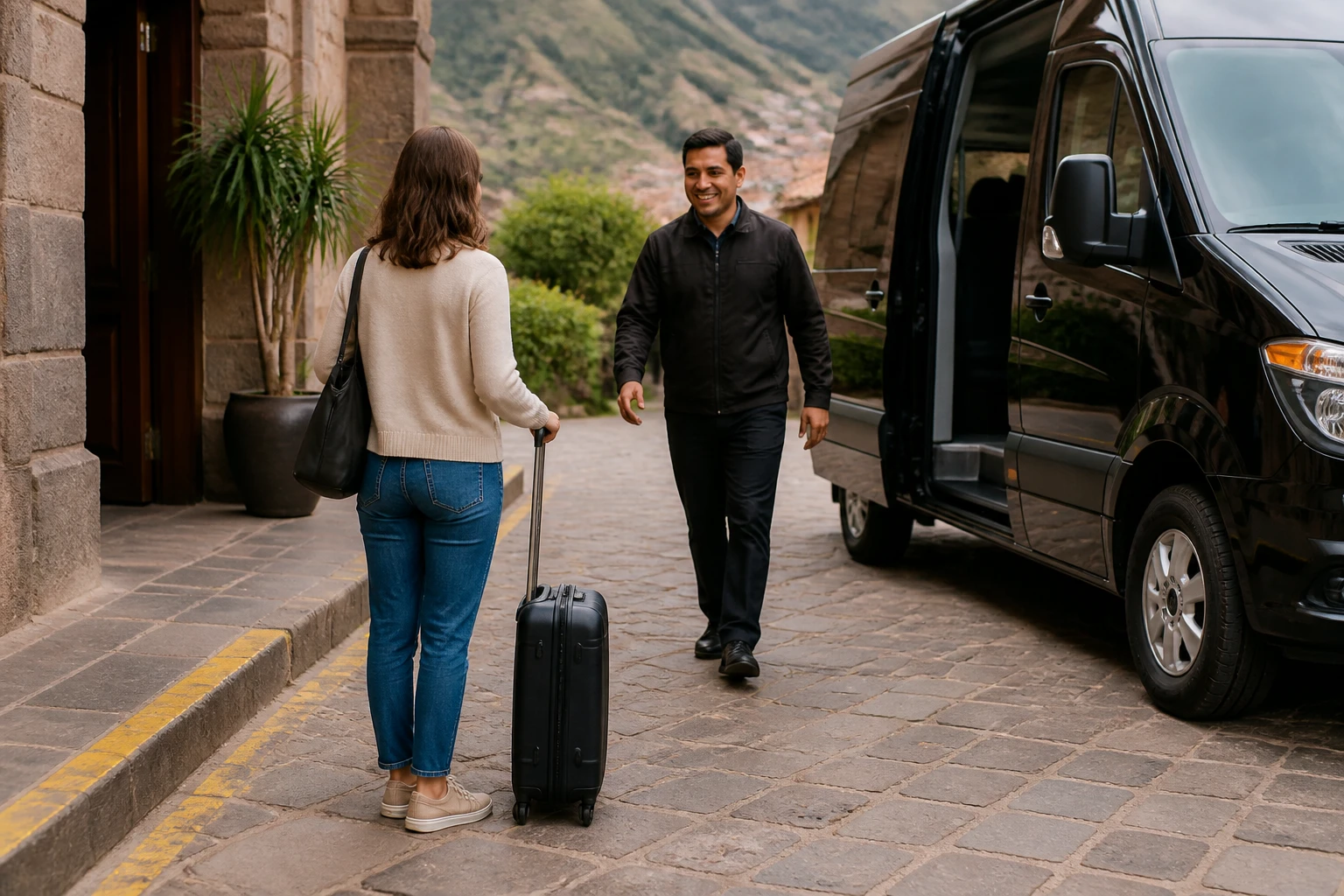
Your no-car strategy begins the moment you land. Meet a transfer you booked in advance rather than searching for a street taxi, then keep the rest of the day close to the hotel. Altitude in Cusco: How to Acclimatize Without Wasting Your Trip offers a more detailed pacing framework, but the essential rule is simple: do not try to power through concerning symptoms. Seek medical help instead.
- Best-case plan: settle in, take a brief walk if you feel well, and have an early night.
- Fallback plan: stay at the hotel, rest, and shift all sightseeing to Day 2.
- Useful booking choice: choose accommodation where you are comfortable spending an unhurried first afternoon.
- Avoid: committing to a strenuous hike, a tightly timed tour, or a long transfer on arrival day.
Day 2: Keep your Cusco sightseeing day flexible
Use Day 2 for the parts of Cusco that interest you, but build the day as a menu rather than a march. Begin with one low-commitment plan near your lodging. If you are feeling strong, add another short stop or a neighborhood walk. If the altitude is still catching up with you, take a long break and preserve your energy for the Sacred Valley transfer tomorrow.
A short San Blas outing can fit well on a good day, and the San Blas Cusco Travel Guide is a handy companion for shaping that walk. Keep a booked or app-based ride in reserve for any journey you do not want to walk. The goal is not to cover every corner of the city before lunch. It is to arrive at the rail portion of the trip feeling steady.

Machu Picchu Private Day Trip from Cusco
This private Machu Picchu day trip is ideal for travelers seeking a seamless, stress free experience. With guarantee...

Machu Picchu Day Trip from Cusco: Full-Day Guided Tour
Our Day trip to Machu Picchu from Cusco is a beautiful way to see one of the World's New Seven Wonders. Happy Gringo...

Machu Picchu Circuit 2 Entrance Ticket with Guided Tour
Explore the wonders of Machu Picchu via the official Circuit 2 route, known for its stunning views and historical si...
Day 3: Transfer to Ollantaytambo for a smoother rail morning
Move from Cusco to Ollantaytambo by prearranged transfer on Day 3. Ollantaytambo is in the Sacred Valley and has a rail station for Machu Picchu services, making it the practical overnight base before your visit. Do not build this day around an unconfirmed local transport connection. Arrange the journey with your lodging or another vetted provider.
Once you arrive, confirm the next morning's station, service, and meeting arrangements, then keep the evening simple. An Ollantaytambo overnight removes one major connection from the day when your Machu Picchu admission is fixed. If you have additional time in the valley, A Slow Sacred Valley Itinerary: Pisac, Ollantaytambo, Maras and Moray can help you turn this transfer day into a longer stay.
Day 4: Take the train to Machu Picchu with your return already planned
Rail is the backbone of a car-free Machu Picchu day. PeruRail identifies stations at Ollantaytambo and Machu Picchu Pueblo, and its May to December 2026 timetable includes an Ollantaytambo departure at 05:05. Treat that early service as proof that dawn starts are possible, not as a schedule to copy blindly. Your own ticket confirmation is the timetable that matters.
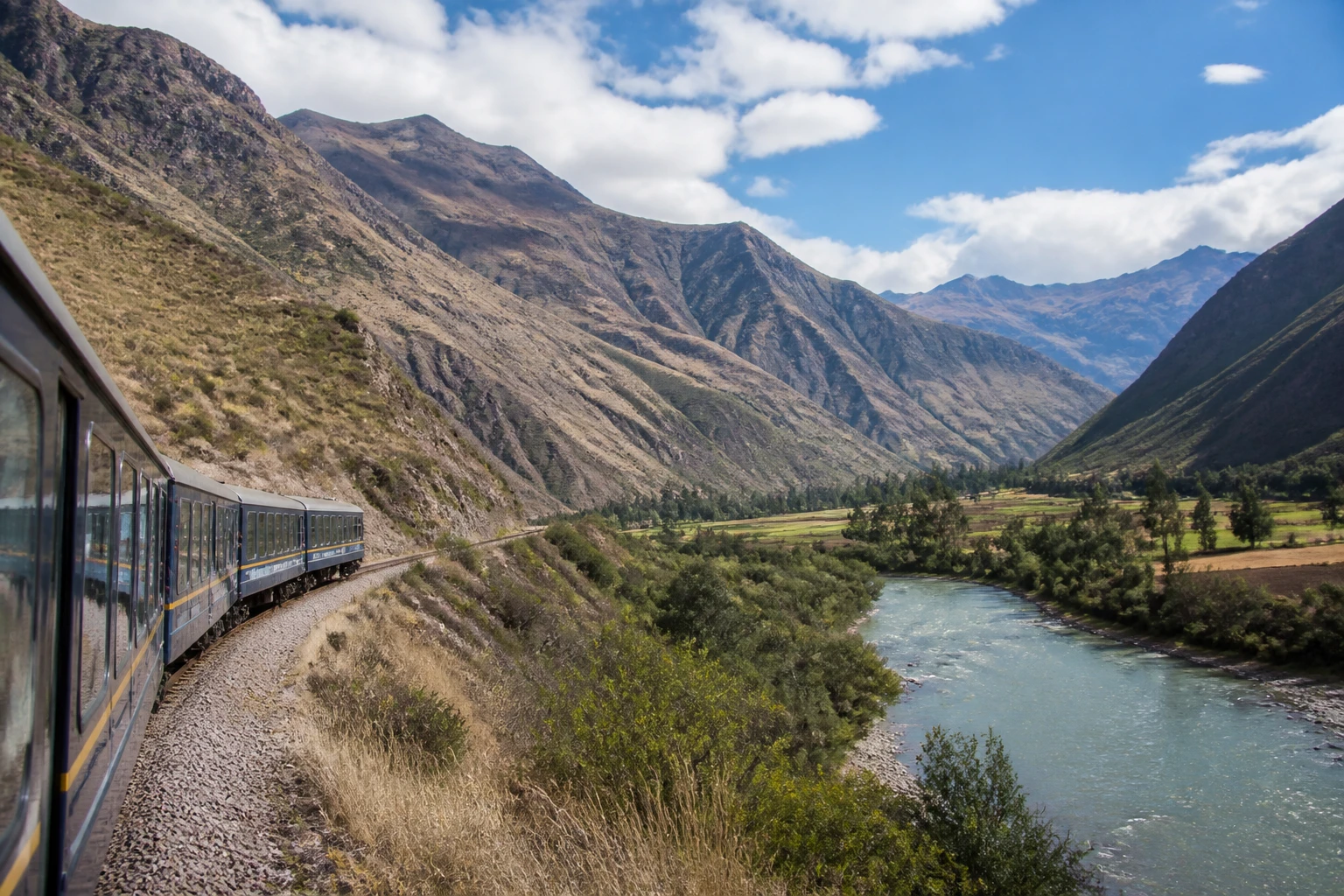
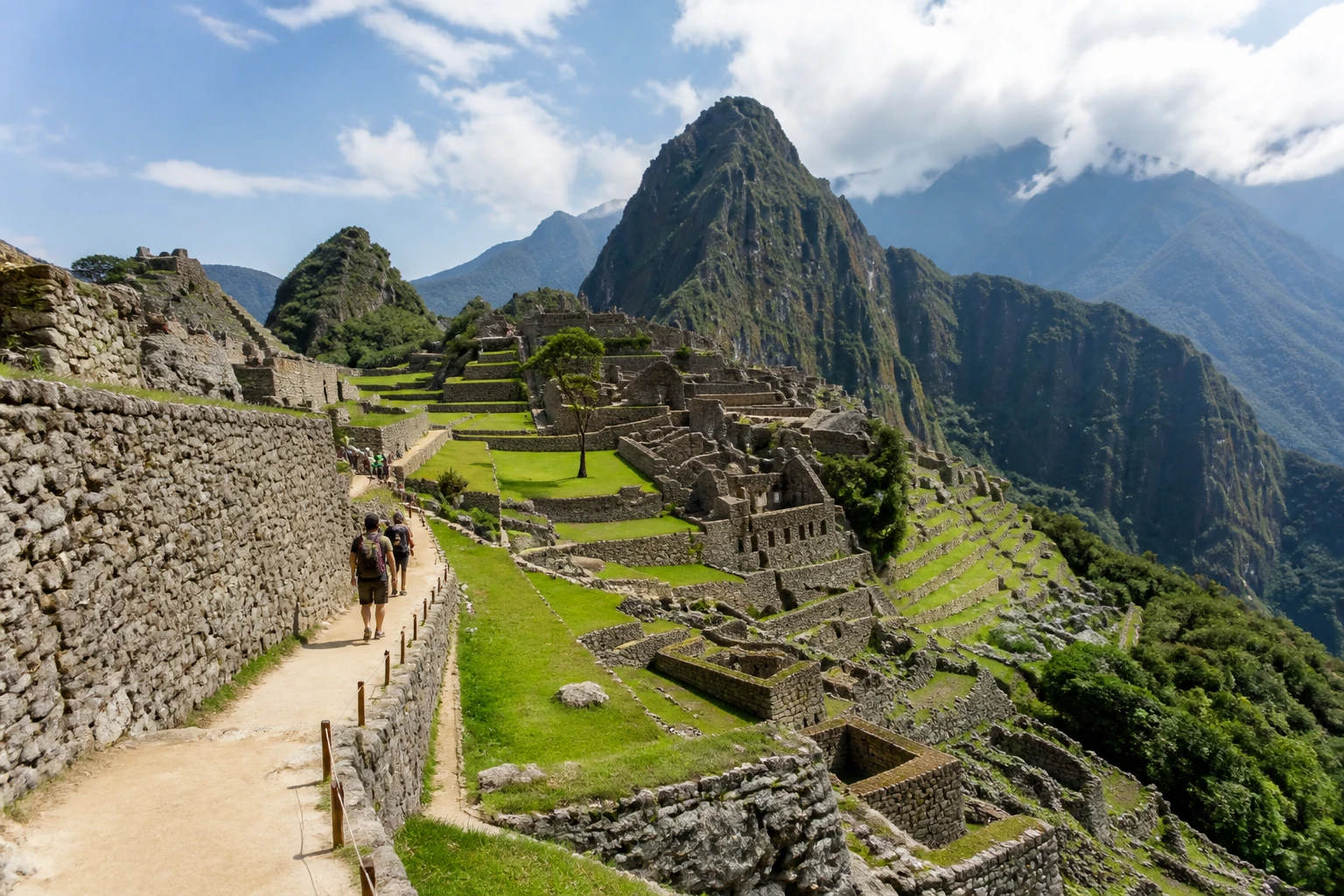
Make your rail service, Machu Picchu entry time, circuit, and final access arrangement one joined-up plan. The site operates with controlled capacity and multiple routes, so a general admission assumption can cause a costly mistake. Waynapicchu reopened on July 1, 2026 through Route 3-A of Circuit 3, but that does not mean every entry ticket includes it. Book the exact route you want.
Use your return train as the day's anchor. Leave the site and complete the final access leg with enough margin to reach Machu Picchu Pueblo for the booked service. Avoid adding a tightly timed evening event, another long transfer, or an onward flight that same night. Return to Cusco for your final overnight if your plan needs a departure-day buffer.
Day 5: Keep a recovery and departure buffer
A fifth calendar day protects the rest of the trip. Use it for your onward journey, a relaxed final morning in Cusco, or simple recovery after the long Machu Picchu day. This is especially valuable when rail, road transfer, and timed admission all sit on the same itinerary. A buffer is less glamorous than another attraction, but it is often the part that makes the trip feel manageable.
Car-free transport rules that reduce stress
Walking is useful when you feel physically comfortable, but it should be a choice rather than an obligation. For airport arrivals, hotel changes, evening journeys, and the Cusco-to-Ollantaytambo leg, arrange transport ahead of time. CDC guidance for Peru advises reserving transport through a hotel or using a cell-phone app instead of hailing taxis from the street.
- Save the contact details and meeting instructions for each prearranged transfer.
- Check the boarding station printed on your rail ticket before leaving your hotel.
- Avoid demonstration areas and give yourself schedule slack if conditions disrupt transport.
- Do not let a fragile same-day connection put a timed Machu Picchu entry at risk.
- Use the 2026 Mincetur Cusco traveler guide when looking for planning information on tourism services, food, and lodging.
Still comparing Cusco Car Free Machu Picchu Rail Itinerary?
Ask for tour ideas, hotel suggestions, or a simple trip plan that combines both.
Trip Helper
Build a budget line by line, not from one headline figure
A car-free Cusco budget has several separate moving parts: lodging, airport transport, the Sacred Valley transfer, rail, Machu Picchu admission, food, and any guided visits. Do not rely on one all-in estimate. Check the current price in each official or provider booking channel while building your trip, especially for rail and Machu Picchu tickets.
- Accommodation in Cusco, Ollantaytambo, and possibly a final Cusco night
- Prearranged airport and intercity transfers
- Rail tickets between Ollantaytambo and Machu Picchu Pueblo
- The precise Machu Picchu circuit and any optional mountain route
- Meals, local rides, guides, and contingency funds for itinerary changes
Accessibility needs require trip-specific confirmation
Do not assume this is a fully accessible itinerary. An accessible section at Machu Picchu has been planned, but practical details for the site, rail transfers, Machu Picchu Pueblo, and Cusco are not interchangeable. Before booking, get written, trip-specific confirmation from the train operator, accommodation, transfer provider, and Machu Picchu authority for the exact assistance and route you need.
Adjust the plan if you have less or more time
With only three nights, keep the same order but accept that there is little recovery room: arrive in Cusco, move to Ollantaytambo after a flexible city day, visit Machu Picchu, then return for departure. With five nights or more, add another flexible Cusco day or extend your Sacred Valley stay instead of packing every day with transport. Preserve the pre-Machu Picchu overnight near the rail station.
For late-July travel, reserve early and leave generous margins because Machu Picchu is in high season. Do not treat Choquequirao as an automatic car-free extension to this route. Visitor entry there was suspended from February 1, 2026 because of route-safety risks, so check its current official status before rebuilding an itinerary around it.
Plan slowly, then let the rail day be the centerpiece
This Cusco itinerary without a car suits travelers who value a dependable plan over a fast one. Its strength is the sequence: two gentle nights in Cusco, a strategic Ollantaytambo overnight, then a rail-based Machu Picchu visit with a buffer afterward. Book the fixed tickets first, arrange transfers before arrival, and leave room for altitude and transport to set the pace.
Frequently asked questions
Can you visit Cusco and Machu Picchu without renting a car?
Yes. A practical no-car plan uses prearranged airport and intercity transfers, walking for short distances you are comfortable with, rail between Ollantaytambo and Machu Picchu Pueblo, and hotel-booked or app-based rides instead of street-hailed taxis.
How many days do you need in Cusco without a car?
Four nights is a strong starting point: two nights in Cusco, one in Ollantaytambo before the train, and one after Machu Picchu as a departure or recovery buffer. A three-night version is possible but leaves far less flexibility for altitude or transport disruptions.
Is an Ollantaytambo overnight worth it before Machu Picchu?
Yes, it is the lower-stress choice for this itinerary because Ollantaytambo has a rail station for Machu Picchu services. Sleeping there removes a Cusco-to-station transfer from the morning of a fixed rail and entry day.
What should I book first for a car-free Cusco itinerary?
Book your exact Machu Picchu circuit, entry time, and any mountain route first, then buy rail that fits those bookings. Reserve transfers and accommodation next, particularly for late-July high-season travel.
Should I use taxis in Cusco?
Use transport arranged by your hotel or a cell-phone app rather than hailing a taxi from the street. Prearranged transfers are especially useful for airport arrivals, hotel changes, and the journey to Ollantaytambo.
Is this Cusco and Machu Picchu itinerary accessible?
Do not assume it is fully accessible. Confirm the exact arrangements you need in writing with your train operator, accommodation, transfer provider, and Machu Picchu authority before booking.
What should I do if altitude symptoms affect my Cusco plans?
Rest and scale back the day rather than forcing a hike or a full sightseeing schedule. Seek medical help for concerning symptoms instead of trying to push through them.
Private Inca Trail Expedition to Machu Picchu 5D/4N
Go a bit slower on this Inca Trail to Machu Picchu 5-day/4-night trek and take in the wonders of the Andes! The Inca Trail to Machu Picchu treks gene...
Machu Picchu Day Trip from Cusco – Full-Day Tour
We’ll begin with a comfortable transfer from your hotel in Cusco to the bus station. From there, you’ll travel b...
Experiences to explore
 Explore experience ↗
Machu Picchu & Sacred Valley Tour - 4 Day Easy Acclimatization
◷ 96 hr
Welcome to the smartest, most comfortable way to experience the wonders of the Inca Empire without the worry of altitude sickness. Our
See dates for Current pricing
View dates Explore experience ↗
Machu Picchu and Sacred Valley Overnight Tour
◷ 48 hr
This private tour will be a long guided excursion journey through the magnificent Sacred Valley of the Incas and at last the visit to t
See dates for Current pricing
View dates Explore experience ↗
Sacred Valley Connection to Machu Picchu (Overnight in Sacred Valley)
◷ 48 hr
This is a great and the easiest way to visit Machu Picchu. The tour offers a perfect combination of the local culture and traditions an
See dates for Current pricing
View dates