
Altitude in Cusco: How to Acclimatize Without Wasting Your Trip
Cusco sits at 3,400 metres. Here's what actually helps in the first 48 hours, what to eat, and how to plan your itinerary around your lungs.
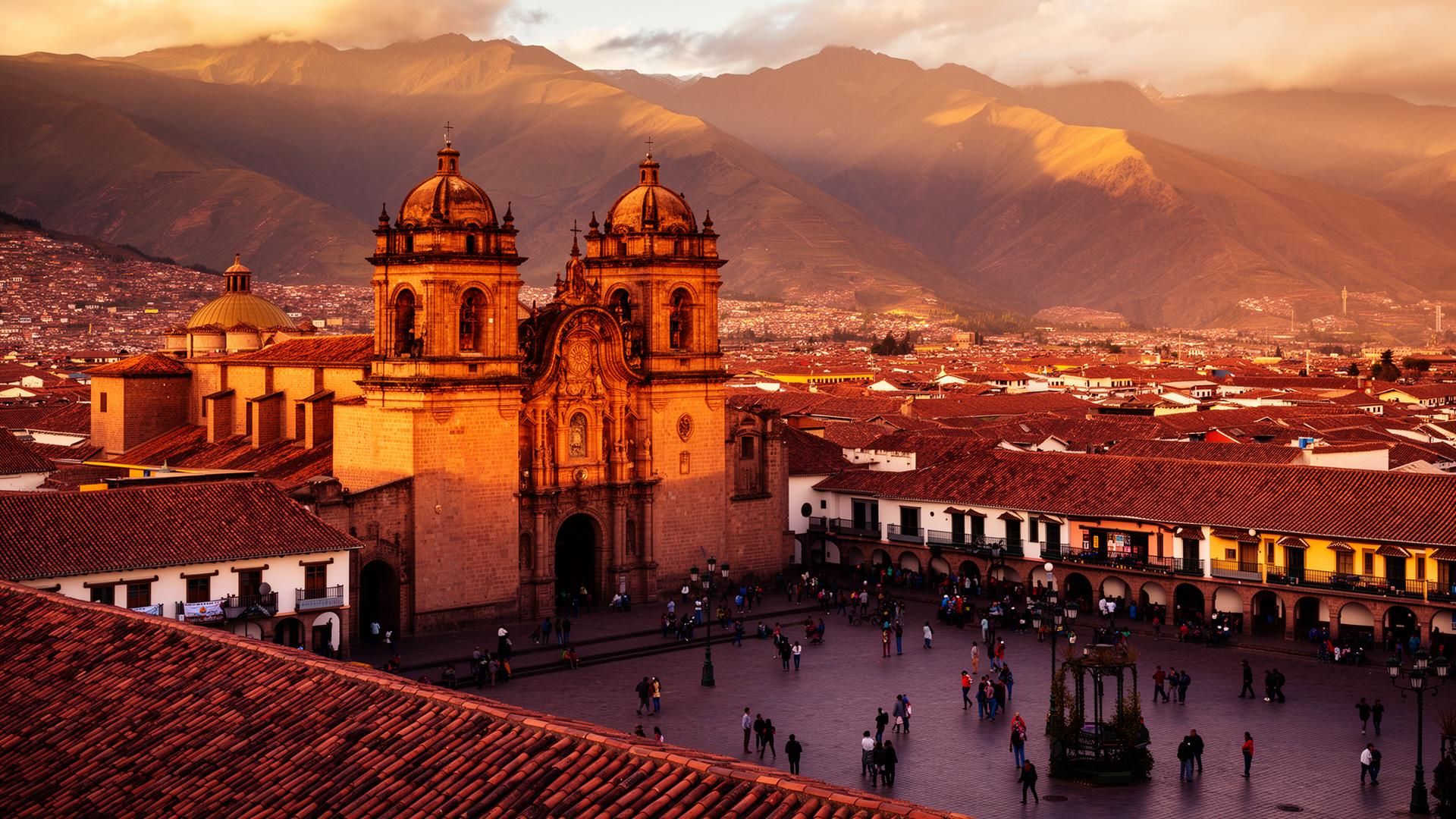
Cusco sits about 3,400 metres above sea level, high enough that even fit travellers can feel the change. The most useful response is not panic or bravado. It is a slower first day, a flexible plan, and an honest read of how your body is responding.
Most people can still enjoy Cusco with sensible pacing. This guide explains what to expect, how to arrange your first 48 hours, and when ordinary discomfort deserves medical attention. It is general travel information, not individual medical advice.

The Best Private Sacred Valley Tour in Cusco ( with Pisac)
We know very well each place of this tour, since we have been grown in this area and we studied over 3 years to get a guide license. as well, our vehi...

Sacred Valley Full-Day Private Tour from Urubamba & Ollantaytambo
Explore the best and most unique sites of the Sacred Valley on a leisurely full-day tour with a local guide. This pr...

The Ultimate Full Day Sacred Valley Tour
Beat the Crowds: Experience the magic without the masses. We've meticulously planned our itinerary to ensure you arr...

Full-Day Excursion to Sacred Valley, Pisac and Ollantaytambo from Cusco
You will know the 5 most important places in the Sacred Valley You will have a buffet lunch of the 30 best dishes o...
Why Cusco altitude feels different
At higher elevations the air pressure is lower, so each breath delivers less oxygen. Your body begins adapting immediately, but useful acclimatization takes time. The CDC Yellow Book notes that acute acclimatization develops over the first several days. Fitness does not reliably protect someone from altitude illness, which is why a strong hiker can feel unwell while a less athletic companion feels fine.
A gentle plan for your first 48 hours
- On arrival: Check in, drink water, eat a light meal, and take a short walk close to your accommodation. Save steep San Blas lanes and major ruins for later.
- First evening: Keep dinner simple, avoid heavy drinking, and sleep early. Rest is more valuable than squeezing in one extra sight.
- First full day: Choose low-effort city stops with frequent breaks. Plaza de Armas, a cafe, and one museum are a better opening than a packed bus tour.
- Second full day: Add activity only if you feel well. A calm version of our three-day Cusco itinerary gives you room to adjust.
If you fly directly from near sea level, resist the temptation to treat arrival day as a normal sightseeing day. If your wider route permits it, sleeping in the lower Sacred Valley before returning to Cusco can create a more gradual ascent. Our slow Sacred Valley itinerary is designed with that possibility in mind.
Common symptoms and warning signs
A mild headache, tiredness, light sleep, reduced appetite, or feeling unusually winded can happen after a rapid ascent. Stop ascending and take symptoms seriously. Rest, avoid strenuous activity, and do not continue to a higher sleeping elevation while you feel unwell.
Seek urgent medical help if symptoms are severe or worsening, particularly confusion, difficulty walking normally, breathlessness at rest, a persistent cough, chest tightness, blue or grey lips, or extreme drowsiness. Descending to a lower altitude can be lifesaving in serious altitude illness. Hotel staff and established tour operators can help contact local medical services, but do not let a schedule or prepaid booking delay care.
Hydration, food, coca tea, and medication
Drink regularly, but do not force excessive water. Pale urine and normal thirst are better guides than an arbitrary number of litres. Eat familiar, carbohydrate-rich meals if your appetite is low. Limit alcohol for at least the first couple of days because it can worsen sleep and dehydration.
Coca tea is culturally familiar and may feel soothing, but it is not a treatment for serious altitude illness. Coca products can also affect some drug tests. If you are considering acetazolamide or have heart, lung, blood, pregnancy, sleep, or other medical concerns, discuss your itinerary with a qualified clinician before travel. Do not borrow prescription medicine from another traveller.
How to pace sightseeing in Cusco
Cusco rewards short loops. Start around Plaza de Armas, pause somewhere sheltered, and return to your hotel before deciding whether to continue. The climbs toward San Blas feel much steeper at altitude. Taxis are inexpensive enough that using one uphill and walking downhill can turn an exhausting outing into a pleasant one.
Delay strenuous hikes until you are comfortable walking around the city. Rainbow Mountain and high passes add another major altitude jump, while Sacsayhuaman sits above central Cusco. Build them into the later part of your stay, keep the following evening light, and choose operators who explain emergency plans clearly.

2-Day Sacred Valley & Machu Picchu Tour by Train from Cusco
Experience the Best of the Sacred Valley and Machu Picchu Discover the heart of the Inca world on this unforgettabl...

Machu Picchu Private Day Trip from Cusco
This private Machu Picchu day trip is ideal for travelers seeking a seamless, stress free experience. With guarantee...

Machu Picchu Tour Full Day by Train
Experience the awe-inspiring Inca ruins of Machu Picchu, known as one of the New 7 Wonders of the modern world, on a...
A practical arrival checklist
- Book a first-night hotel that is easy to reach and does not require a steep walk with luggage.
- Keep your first afternoon and evening free of non-refundable activities.
- Carry your regular medicines, travel insurance details, and the address of your accommodation.
- Tell a companion or hotel reception if you feel worse instead of quietly pushing through.
- Recheck high-altitude tour cancellation and rescheduling terms before paying.
The best acclimatization strategy is wonderfully unglamorous: arrive with time, sleep, eat, walk gently, and leave room to change the plan. For more practical preparation, continue with our Cusco travel tips.

Machu Picchu Day Trip from Cusco
Local experts for an easy way to visit Machu Picchu with a special cancellation poliy, all details are arranged: tic...

Classic Inca Trail 4 days to Machu Picchu
4 Day Inca Trail to Machu Picchu passing some incan sites and get Machu Picchu by the sungate • Hike Inca Trail...

Machu Picchu Circuit 2 Entrance Ticket with Guided Tour
Explore the wonders of Machu Picchu via the official Circuit 2 route, known for its stunning views and historical si...

Peruvian Cooking Class Cocktails and Market Tour in Cusco
You will cook 3 Peruvian courses and 2 cocktails. Our Peruvian Cooking, cocktails and market tour starts at San Pedro Market (door number 1), with a v...

Machu Picchu Full-Day Tour from Cusco by Panoramic Train
Machu Picchu, a UNESCO World Heritage Site, is considered one of the world's most remarkable destinations and a must...

Machu Picchu Full-Day Tour from Cusco with Panoramic Train
Enjoy a Small Day trip to Machu picchu with us If you’re short on time, this experience is the best option and wel...

Machu Picchu Full Day Tour from Cusco
Experience Machu Picchu like a true traveler, not just a tourist. We offer a seamless and stress-free experience wit...
Keep exploring
Related Guides

Cusco on a Budget Travel Guide
Plan a budget-friendly Cusco trip with practical Tourist Ticket advice, flexible Sacred Valley timing, cost-control strategies, and essential safety…
Read guide →
Inca Trail to Machu Picchu Guide
Plan the classic Inca Trail to Machu Picchu with practical guidance on permits, the Km 82 route, timing, published…
Read guide →
Cusco Travel Tips for First Timers
Plan a smoother first trip to Cusco with practical advice on Machu Picchu tickets, itinerary timing, safety, budgets, arrival…
Read guide →