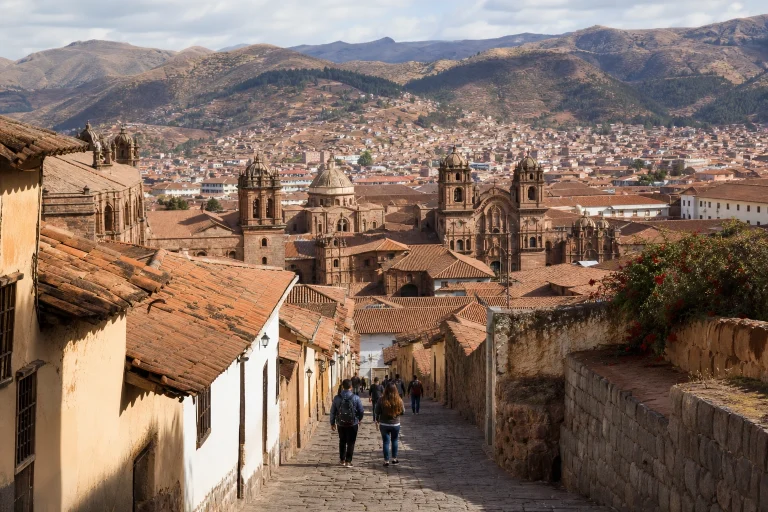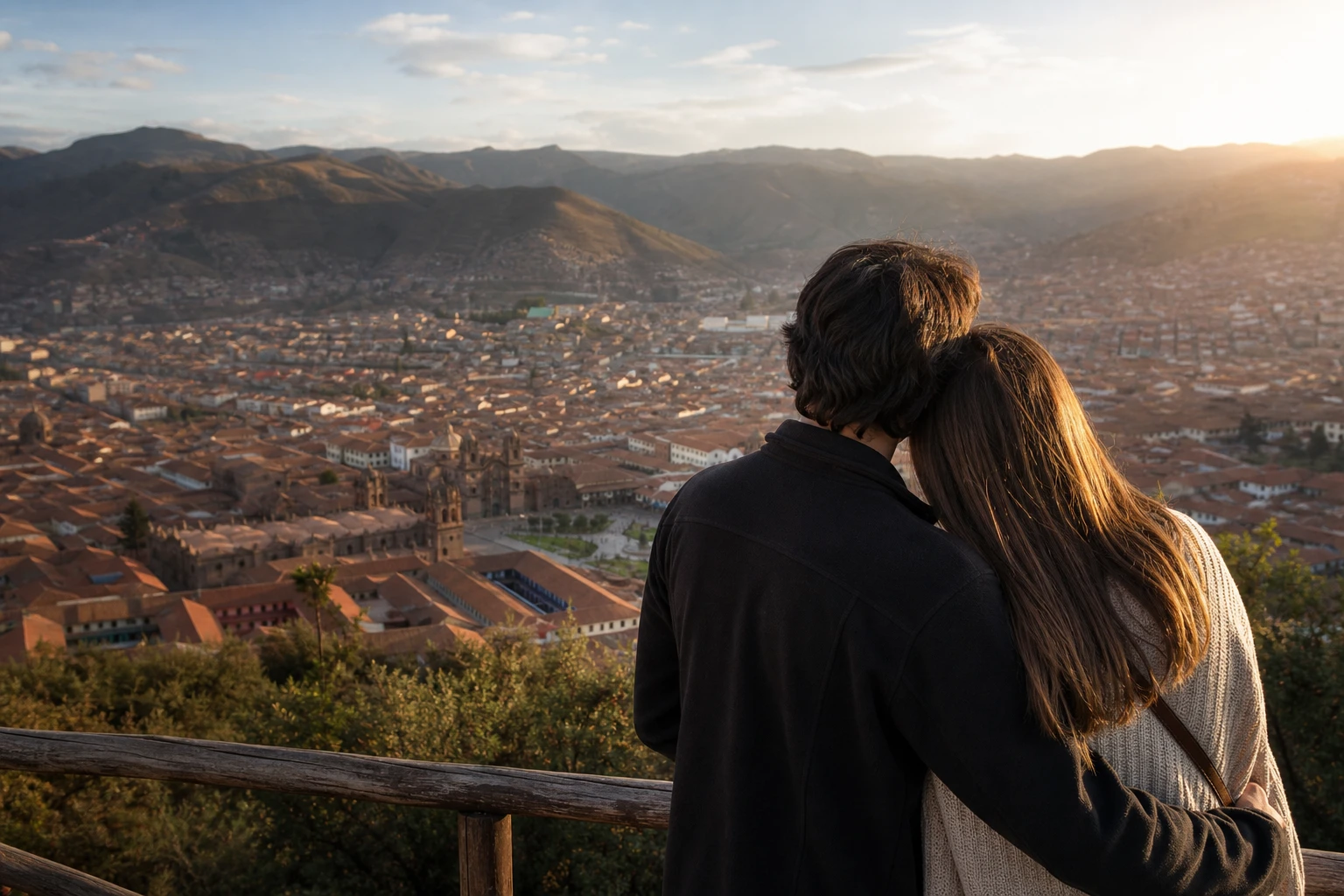
Cusco for Couples Guide
Cusco rewards couples who leave room between the headline sights. A strong trip combines shared discoveries with unhurried meals, time to wander, and enough flexibility for weather or transport changes. Machu Picchu often anchors the itinerary, but the days around it matter just as much. Use this guide to shape a romantic escape that feels considered rather than crammed.
- Keep the first day gentle and avoid stacking major reservations immediately after arrival.
- Choose accommodation for convenience and atmosphere, then confirm how you will handle luggage and early departures.
- Book Machu Picchu admission in advance if a particular circuit, entry time, or hike matters to you.
- Add buffer time before an international flight, especially when your plans depend on trains or long road transfers.
- During the November to May rainy season, build more flexibility into rail, road, and outdoor plans.
The simplest romantic itinerary has three layers: a comfortable base in Cusco, one or two carefully chosen excursions, and open time together. That structure lets you enjoy the destination without treating every hour as a booking slot. Couples with only a few days should protect their priorities instead of collecting attractions. Those staying longer can alternate fuller excursions with slower city days.
Before fixing the schedule, review the practical advice in Altitude in Cusco: How to Acclimatize Without Wasting Your Trip. Use that planning step to decide how active your arrival day should be. A private dinner, an easy neighborhood stroll, or an early night can be more appealing than beginning the trip with a rigid checklist.
Build a romantic Cusco trip around pace, not pressure
Start by asking what the two of you want to remember. It could be an ambitious archaeological journey, a food-focused city break, a scenic rail experience, or several days of relaxed exploration. Rank those goals together. If Machu Picchu is nonnegotiable, arrange that portion first and let the city itinerary form around it.
Avoid turning compromise into a daily debate. Give each partner one priority experience, then select the rest together. One person might choose a major excursion while the other protects an unscheduled afternoon. This method creates a balanced trip and leaves space for an interesting café, courtyard, shop, or view encountered along the way.
A compact schedule also protects the mood when conditions change. Demonstrations and strikes in Peru can arise with little warning and disrupt roads, airports, public transportation, and trains serving Machu Picchu. Monitor local and operator updates shortly before travel. Keep the final night before an international departure free of distant excursions whenever possible.
Choose where to stay based on your shared travel style
The right room can improve the entire trip. Couples who value simple logistics should prioritize convenient access to the places and pickup points in their plans. Couples who care more about atmosphere can look for a smaller property with inviting shared spaces. Before booking, compare room size, heating or climate features, breakfast timing, luggage storage, cancellation terms, and the effort required to reach the entrance.
The guide to where to stay in Cusco for first timers can help narrow the neighborhood decision. Use it alongside a map of your reservations rather than selecting a room by photographs alone. A beautiful stay loses some charm if every early start requires complicated coordination, while a practical location can return valuable time to the two of you.
For a closer look at one neighborhood option, the San Blas Cusco Travel Guide can help couples decide whether that area suits their pace. Wherever you stay, study the immediate walking route and ask the property how luggage and transportation are handled. Couples splitting the trip between Cusco and another base should also confirm whether bags can be stored between stays.
Use this flexible four-day itinerary for two
This framework emphasizes breathing room rather than fixed opening hours. Adjust it around confirmed tickets, transportation, weather, and your energy. If you have only three days, the published 3 Days in Cusco Itinerary offers a compact planning reference. For a romantic trip, resist filling every open period after adding the essential reservations.

| Day | Main plan | Couples-focused approach |
|---|---|---|
| Day 1 | Arrival and an easy local outing | Check in, share a relaxed meal, and stop before the day becomes tiring. |
| Day 2 | Cusco exploration | Choose one major sight or guided walk, followed by an open afternoon. |
| Day 3 | Sacred Valley excursion or overnight | Agree on a few priorities and leave time for meals, photographs, and transitions. |
| Day 4 | Machu Picchu or a flexible Cusco day | Follow confirmed entry and transport times, or retain this day as a weather and disruption buffer. |
Day 1: Arrive without overcommitting
Arrange the airport-to-hotel plan before departure, especially if you land with luggage or after a long journey. Exact ground transportation arrangements and prices vary, so check current details with your accommodation or chosen provider. The Cusco Airport to Historic Center Transportation Guide can help you compare the practical choices without consuming your first hour together.
After check-in, keep the plan intentionally small. Pick one easy outing, make dinner the main event, and prepare anything needed for the next morning. This is also the time to confirm pickup instructions, charge phones, and separate the essentials for an early departure. A calm first evening often contributes more to a couples trip than another rushed attraction.
Day 2: Pair one landmark with free time
Choose one substantial city experience, then leave part of the day open. If Sacsayhuaman is on your list, consult the Sacsayhuaman Guide for First Timers when organizing the visit. The goal is not to race through every possibility. It is to explore one place attentively and still have enough energy for an enjoyable evening together.
Day 3: Make the Sacred Valley a shared decision
The Sacred Valley can be planned as an excursion or as part of a longer route, depending on your wider itinerary. Read the Sacred Valley Travel Guide From Cusco before choosing the format. Compare departure timing, transport, included stops, meal arrangements, walking demands, group size, and cancellation terms. A shorter list of meaningful stops usually produces a more relaxed day for two.
Day 4: Protect the main event or preserve flexibility
Use the fourth day for Machu Picchu only after admission and transportation are coordinated. Otherwise, keep it flexible for anything postponed earlier. A buffer day is particularly valuable before an international flight because demonstrations, roadblocks, severe weather, or rail disruption can affect journeys. Do not design the trip around a last-minute dash back from Machu Picchu.
Plan Machu Picchu as the least spontaneous part of the trip
Buy Machu Picchu admission through Peru’s official state ticketing platform rather than counting on availability after arrival. Up to 1,000 tickets are sold in person each day at Machupicchu Pueblo for entry the following day, subject to availability. That option is a limited fallback, not a dependable plan for couples with fixed dates or prepaid transportation.
Visits use timed entry, designated circuits, and regulated capacity. Some routes can also be physically restricted during low season. If the two of you want the same specific route, entry period, or add-on hike, advance booking is essential. Compare the available choices carefully before payment so both tickets match the experience you intend to share.
The Machu Picchu Day Trip From Cusco guide can help place the visit within your wider itinerary. Coordinate admission with rail or road arrangements, local transfers, and any tour meeting instructions. Review names and dates before booking, then keep essential confirmations accessible offline. Current prices depend on the selected tickets, transport, date, and provider, so calculate the complete journey rather than admission alone.
Arrive early rather than relying on rebooking rules
Official procedures provide limited help when an exceptional event outside the visitor’s control causes a late arrival. Qualifying circumstances can include airport closures, roadblocks, transport delays or cancellations, illness, and severe weather. If same-day entry becomes impossible, one rebooking can be allowed through the official process, subject to availability. Treat that as emergency relief, not permission to schedule tight connections.
Keep romantic photography within the site rules
Couples can take personal photographs, but several popular accessories and staged activities conflict with Machu Picchu’s conduct rules. Prohibited items and behavior include tripods, selfie sticks or extensions, drones, loud conduct, alcohol, smoking or vaping, leaving the marked circuits, and certain commercial or staged activities. Pack for simple handheld photography and focus on the visit rather than producing an elaborate shoot.
Do not assume that a marriage proposal or styled engagement session will be permitted. The conduct rules prohibit activities that distort the site’s sacred character, including social engagements and dances. If a proposal is central to the trip, choose another meaningful setting where the plan does not risk conflicting with heritage protections or interrupting other visitors.
Discuss mobility requirements before purchasing tickets
Machu Picchu presents important access considerations for visitors with limited mobility. Published rules prohibit baby strollers and list walking sticks among restricted items, while guide dogs are an exception to the animal restriction. The rules do not clarify every disability-related accommodation. Travelers who require mobility aids should obtain specific confirmation from the official site or their operator before choosing a circuit and booking transport.
Match the itinerary to Cusco’s wetter months
The rainy season in the Peruvian Andes, including Cusco, runs from November through May. Heavy rain can interrupt flights, roads, rail journeys, walking routes, and tourist sites. Landslides and mudslides can also affect routes toward Machu Picchu. Couples traveling during these months should avoid a tightly connected itinerary that leaves no recovery time after a delayed journey.
Build a simple backup list for wet or disrupted periods. It might include a longer meal, an easy outing near the hotel, time to browse locally, or an unscheduled rest period. Keep rain protection and key documents accessible rather than buried in checked luggage. If rail or road travel is involved, follow current operator updates and preserve flexibility around reservations that depend on your return.
Weather flexibility does not require leaving every day empty. Reserve the experiences that truly need advance planning, then avoid attaching several nonrefundable commitments to the same chain of transportation. This approach protects both the budget and the atmosphere of the trip. A delay is easier to absorb when it changes one plan instead of four.
Create memorable moments without staging every hour
Romantic travel works best when some moments remain unproduced. Pick a recurring ritual, such as choosing dinner together each evening, taking one favorite photograph per day, or sharing notes about the day’s best surprise. These small habits create continuity without adding another reservation to the calendar.

For photographs, alternate rather than asking strangers to document every stop. Frame simple portraits, capture details that matter to both of you, and put the camera away during part of each outing. At Machu Picchu, handheld personal photography is the practical approach because tripods, selfie extensions, drones, and certain staged activities are prohibited.
Couples with different interests can divide a flexible afternoon without weakening the shared trip. One person can rest while the other explores, then reunite for an agreed meal or activity. A little independence can prevent fatigue from becoming friction. Save the experiences that matter most for times when both partners have the energy to enjoy them.
Build a realistic budget without relying on stale prices
Travel prices can vary by date, provider, room, ticket type, and group size. Instead of using a single daily estimate, divide the budget into categories and price them for your actual dates. Start with the fixed essentials, then decide how much remains for comfort, dining, private transport, guided activities, and spontaneous purchases.
- Price accommodation and review taxes, cancellation terms, breakfast, and luggage storage.
- Calculate the full Machu Picchu journey, including admission, intercity transport, local transfers, tours, and an overnight stay if selected.
- Compare Sacred Valley transport or tour formats based on inclusions rather than the headline amount.
- Set aside flexible funds for meals, small purchases, and changed transportation arrangements.
- Keep a contingency reserve separate from the spending budget.
Decide where comfort has the greatest value. A well-located hotel can simplify several days, while private transportation could be worthwhile for one logistically difficult transfer. In contrast, an expensive room matters less if an early departure and late return leave little time to enjoy it. Spend according to the shape of the itinerary, not a generic idea of romance.
Keep personal safety and disruptions in perspective
Travelers in Peru are advised to exercise increased caution because of crime, civil unrest, and kidnapping risk. Cusco city, the Sacred Valley, the Inca Trail, and Machu Picchu are not within the named higher-risk Cusco-area exclusion zone in the U.S. travel advisory. Even so, crime risk increases at night, and demonstrations can disrupt roads, airports, and public transportation with little warning.
Use ordinary city precautions as a team. Agree on how you will return after an evening out, keep valuables controlled, and avoid becoming separated in an unfamiliar area without a meeting plan. If a demonstration or roadblock develops, avoid the gathering and check reliable local or operator updates before attempting a different route.
Share the itinerary and essential confirmations with each other. Both partners should know the hotel details, pickup instructions, ticket times, and the location of important documents. That small amount of organization prevents one lost phone or drained battery from controlling the day. It also makes early departures less stressful, which is valuable when both people are still half awake.
A final checklist for planning Cusco as a couple
- Agree on one priority experience for each partner.
- Choose a hotel that fits both your atmosphere and logistics needs.
- Book matching Machu Picchu circuits and entry times in advance.
- Coordinate admission, transportation, tours, and luggage arrangements.
- Keep extra time around weather-sensitive or rail-dependent journeys.
- Leave at least one open period for rest or an unexpected discovery.
Cusco suits couples who enjoy cultural exploration but do not need every romantic moment scripted. The best plan combines a few firm reservations with generous margins around them. Book Machu Picchu carefully, choose accommodation that supports your schedule, and protect time for each other. The main limitation is that weather and transport disruption can complicate rigid plans, so flexibility belongs at the center of the itinerary.

Frequently asked questions
How many days should couples spend in Cusco?
Four days provide a useful framework for a city day, a Sacred Valley outing, a Machu Picchu plan, and some flexibility. Add more time if you want slower days or a buffer around transport-dependent reservations.
Should couples book Machu Picchu before arriving in Cusco?
Yes, advance booking is essential when a specific circuit, entry time, or add-on hike matters. In-person tickets at Machupicchu Pueblo are limited, sold for the following day, and subject to availability.
Can you propose at Machu Picchu?
Do not assume a proposal will be permitted. Site rules prohibit activities that distort Machu Picchu’s sacred character, including social engagements, so choose another setting unless the relevant authority confirms your plan is acceptable.
Can couples bring a tripod or selfie stick to Machu Picchu?
No, tripods, selfie sticks or extensions, drones, and other stabilization or extension equipment are prohibited. Plan to take simple handheld personal photographs.
When is the rainy season in Cusco?
The rainy season runs from November through May. Heavy rain can disrupt roads, flights, trains, walking routes, and tourist sites, so allow extra flexibility during these months.
Should Machu Picchu be scheduled immediately before an international flight?
No, leave buffer time between Machu Picchu and an international departure. Demonstrations, roadblocks, severe weather, and train disruption can affect the return journey.
Is Machu Picchu suitable for a partner with limited mobility?
Access requires careful advance planning because the site has material mobility constraints. Strollers are prohibited, walking sticks are listed as restricted, and disability-related accommodations are not fully explained in the published rules, so confirm specific requirements before booking.
Still comparing Walking Tours?
Ask for tour ideas, hotel suggestions, or a simple trip plan that combines both.