
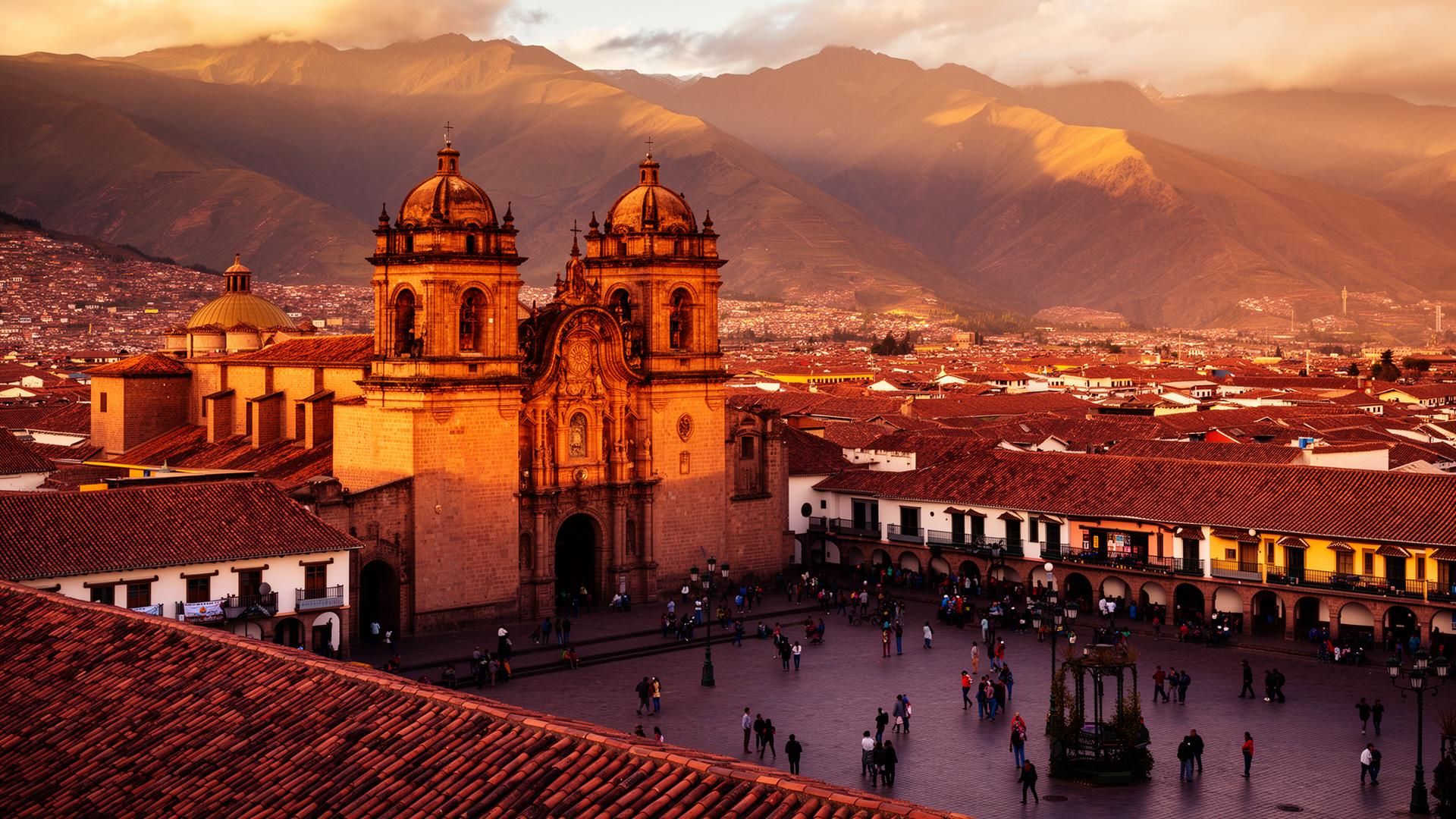
A Slow Sacred Valley Itinerary: Pisac, Ollantaytambo, Maras and Moray
Skip the rushed day tour. This three-day route gives the Sacred Valley the time it deserves, with honest notes on transport, food, and where to sleep.
The Sacred Valley is often compressed into a hurried day tour, but its landscapes and towns make more sense when you stop treating them as a checklist. Three days gives you time for Pisac, Ollantaytambo, Maras, and Moray while leaving space for markets, meals, and the changing light on the mountains.
This itinerary works especially well before Machu Picchu. Much of the valley lies lower than Cusco, so it can also provide a gentler start for travellers adjusting to altitude. Exact opening hours, road conditions, and rail schedules change, so confirm them shortly before departure.

Full-Day Excursion to Sacred Valley, Pisac and Ollantaytambo from Cusco
You will know the 5 most important places in the Sacred Valley You will have a buffet lunch of the 30 best dishes of Peru. We have fun and knowledge...

Sacred Valley Full-Day Private Tour from Urubamba & Ollantaytambo
Explore the best and most unique sites of the Sacred Valley on a leisurely full-day tour with a local guide. This pr...

The Ultimate Full Day Sacred Valley Tour
Beat the Crowds: Experience the magic without the masses. We've meticulously planned our itinerary to ensure you arr...

The Best Private Sacred Valley Tour in Cusco ( with Pisac)
We know very well each place of this tour, since we have been grown in this area and we studied over 3 years to get...
The route at a glance
- Day 1: Cusco to Pisac, with the archaeological site, town, and an overnight in Pisac or Urubamba.
- Day 2: Continue through the valley to Ollantaytambo and stay within walking distance of the old town.
- Day 3: Visit Maras and Moray, then return to Cusco or connect with an onward train plan.
Day 1: Cusco to Pisac
Leave Cusco after breakfast rather than before dawn. With a private driver, the viewpoints above the valley are easy stops; with shared transport, focus on reaching Pisac efficiently. At the archaeological site, the terraces and hillside setting are as important as any single structure. Allow at least two hours if you enjoy walking and photography.
Back in town, choose lunch before browsing the lanes and market area. Market scale and activity vary by day, and the most crowded version is not always the most enjoyable. Stay in Pisac for a quieter evening or continue to Urubamba for a larger choice of hotels and restaurants.
Day 2: The valley floor and Ollantaytambo
Make the second day about depth rather than distance. Ollantaytambo is both a major archaeological site and a living town whose street plan still reflects its Inca foundations. Arrive early enough to visit the terraces before the strongest afternoon crowds, then slow down in the old lanes around the canals.
Sleep in Ollantaytambo even if you are not taking the train immediately. The town feels different after day-trippers leave, and an overnight removes one stressful transfer from a Machu Picchu journey. Our Ollantaytambo guide explains the site layout, walking conditions, and timing in more detail.
Day 3: Maras and Moray
Moray’s circular terraces and the salt ponds near Maras are close on a map but require road transfers. A private or small-group vehicle is the simplest option. Visit Moray first when possible, then continue toward the salt ponds. Paths, viewpoints, and access arrangements can change, so follow posted routes and local guidance.
From Maras you can return to Cusco, continue to the airport, or connect back toward Ollantaytambo. Avoid booking a tight same-day flight after a long valley drive. Traffic near Cusco can turn a comfortable plan into a rushed one.
Where to sleep
Pisac suits travellers who want a slower first day, cafes, and an easy relationship with the eastern valley. Urubamba has resort-style properties and is central for drivers, but its sights are spread out. Ollantaytambo is the most atmospheric base and the most practical for many Machu Picchu trains.
Transport choices
- Private driver: Best for flexible photo stops, luggage, and a route involving Maras and Moray. Agree on inclusions and waiting time in writing.
- Small-group tour: Easier to book and often good value, but confirm which sites and entrance tickets are included.
- Shared vans and buses: Useful between larger towns for confident independent travellers. They are less convenient with large luggage or a fixed train departure.
- Train: A connection for Machu Picchu, not a general way to tour the valley. Read our Machu Picchu train guide before choosing a station.
Tickets, altitude, and packing
Several archaeological sites use a combined tourist ticket, while Maras salt ponds commonly have separate arrangements. Products and prices can change, so check official or on-site information rather than relying on an old screenshot. Carry cash in small denominations, sun protection, water, and a light rain layer.
Although the valley is generally lower than Cusco, sightseeing still involves altitude, sun, uneven stone, and stairs. Keep the first day moderate if you have just arrived from sea level. If symptoms worsen, stop ascending and seek medical advice rather than forcing the itinerary.

Excursion to Rainbow Mountain Full Day Optional Red Valley
It is an impressive day of hiking in the Cordillera Vilcanota, "which is very close to the highest and sacred mounta...

Machu Picchu Tour Full Day by Train
Experience the awe-inspiring Inca ruins of Machu Picchu, known as one of the New 7 Wonders of the modern world, on a...

Inca Trail 4-Day Trek to Machu Picchu – Return by Vistadome Train
Travel confidently with Alpaca Expeditions, Peru's #1 Tour Operator!. 3 Guarantees for Your Inca Trail Adventure...
Two-day and four-day variations
With two days, choose Pisac plus Ollantaytambo and skip Maras and Moray. With four days, add a second Ollantaytambo night or a quiet day around Urubamba. More time does not need to mean more stops. It can simply mean later breakfasts, a proper lunch, and enough margin to enjoy the valley without watching the clock.

Bean to Bar Chocolate Workshop in ChocoMuseo Cusco
Learn how to make your own chocolate on a 2-hour workshop at the ChocoMuseo in Cusco. This is a hands-on activity, s...

Rainbow Mountain Tour from Cusco | Vinicunca Hike | Optional 8AM
Discover the spectacular Rainbow Mountain (Vinicunca) on a guided day tour from Cusco with an optional 8AM departure...

Machu Picchu Full-Day Tour from Cusco with Panoramic Train
Enjoy a Small Day trip to Machu picchu with us If you’re short on time, this experience is the best option and wel...
Full-Day Excursion to Sacred Valley, Pisac and Ollantaytambo from Cusco
You will know the 5 most important places in the Sacred Valley You will have a buffet lunch of the 30 best dishes of Peru. We have fun and knowledge...

Machu Picchu Full Day Tour from Cusco
Experience Machu Picchu like a true traveler, not just a tourist. We offer a seamless and stress-free experience wit...

One Day Train Trip to Machu Picchu from Cusco
This one-day trip to Machu Picchu from Cusco offers a seamless journey to one of the most iconic landmarks in the wo...

Peruvian Cooking Class Cocktails and Market Tour in Cusco
You will cook 3 Peruvian courses and 2 cocktails. Our Peruvian Cooking, cocktails and market tour starts at San Pedr...
Keep exploring
Related Guides
4 Days in Cusco Itinerary
Plan four days in Cusco with a light arrival day, time for the historic city and nearby archaeological sites,…
Read guide →
3 Days in Cusco Itinerary
Plan three rewarding days in Cusco with a gentle historic-center walk, nearby Inca sites, San Blas, San Pedro Market,…
Read guide →
Complete Guide to Cusco for First Timers
Begin your Complete Guide to Cusco for First Timers with altitude tips, hidden corners, and one mistake that could…
Read guide →