Barrio de San Cristobal Cusco Guide
A hillside window over Cusco’s Historic Center
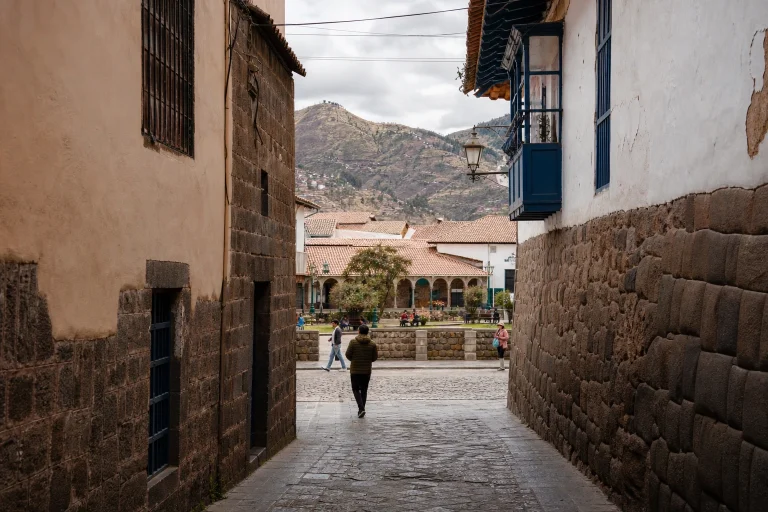
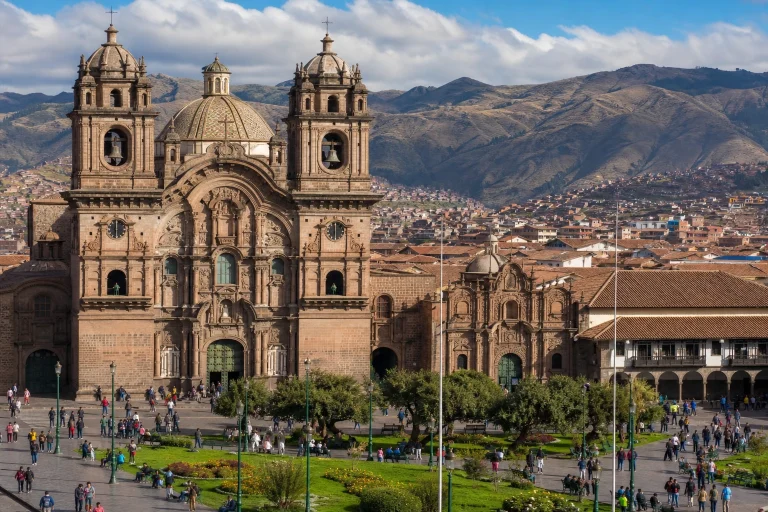
Barrio de San Cristóbal is one of Cusco’s four traditional barrios and among the city’s oldest neighborhoods. Perched above Plaza de Armas, it is a lived historic quarter as well as a visitor stop. Its appeal lies in the combination of the San Cristóbal church, the Qolqanpata setting and a broad view over Cusco’s monumental center.
- Start from Plaza de Armas, then prepare for a short but uphill pedestrian approach.
- Use the mirador as the main reason to climb, especially during a clear daylight period.
- Treat the church and Qolqanpata as historical landmarks, with interior access checked locally.
- Allow extra time beyond the shortest walking estimate if you want an easy pace and photo stops.
- Do not treat San Cristóbal as a confirmed step-free destination; arrange a vehicle drop-off if mobility is a concern.
This is a rewarding historic-center detour for travelers who want more than a plaza-level view of Cusco. The climb is part of the experience, so save it for a time when you can move without rushing. The payoff is perspective: a chance to see the city’s historic core from above while standing in one of its oldest traditional barrios.

Cusco City Tour Four Ruins in Half-Day
Enjoy the Ancient Inca Capital of Cusco .This Tour is half a day that includes a visit to the main square , the Temple of Sun Koricancha nearby ruins...

PRIVATE City tour of Cusco on E-BIKE
A different way to get to know Cusco and its surroundings. Like Sacsayhuaman and the most important archaeological c...

Excursion to Sacred Valley Full Day & Buffet Lunch |Group Tour|
The Sacred Valley of the Incas in the most popular route in Peru. Since it was a crucial area for the Inca Empire an...

Private Cusco City Tour with Sacsayhuaman & Inca Sites
This private half-day tour is the easiest way to see the best of Cusco in comfort. Explore the historic center with...
Why San Cristóbal feels distinct from a single landmark
It is easy to think of San Cristóbal only as a church or lookout. The barrio has a wider identity within the Historic Center, however, and its hillside position gives the visit a strong sense of how Cusco rises beyond Plaza de Armas. Come for the panorama, then give the surrounding quarter time to supply the context.
The San Cristóbal church and plaza sit in the Qolqanpata setting. The tourism inventory records that Paullu Inca founded an ermita beside the Qolqanpata palace plaza, and that the site became the San Cristóbal parish in 1560. Those details give the church stop a useful historical frame without turning a simple walk into a history lecture.
Read the barrio in layers
Keep your attention on three linked elements: the view from the mirador, the church and plaza, and the Qolqanpata context. This makes the neighborhood feel less like a quick photo stop and more like a small piece of Cusco’s historic geography. It is a compact visit, but it carries a clear relationship between hillside, parish and city center.
Walking up from Plaza de Armas
Plaza de Armas is the practical starting point. The official tourism inventory gives a shortest-route baseline of about 400 metres and eight minutes to the San Cristóbal traditional barrio and viewpoint, using an asphalted pedestrian approach. Use that figure to judge proximity, not effort: this is an uphill historic-center walk rather than a flat stroll.

Give the uphill walk an unhurried window
Walking times vary with the exact destination, chosen route and pace. Set your map destination for the church or mirador, carry water, and leave room for pauses on the ascent. San Cristóbal works best when it is not squeezed between fixed commitments, particularly if you are still finding your rhythm on Cusco’s hills.
Use a vehicle drop-off when walking is not suitable
Travelers with reduced mobility should arrange a vehicle drop-off and check conditions directly at the church and lookout before setting out. The documented approach is paved, but it is uphill, and that information does not establish a step-free route or wheelchair-ready facilities. A short route on paper can still be demanding in practice.
What to see in Barrio de San Cristóbal
The best approach is simple: make the lookout your anchor, pause by the church and plaza, then use the wider Qolqanpata area to understand where you are. The official inventory also connects San Cristóbal with the Sapantiana colonial aqueduct and a nearby huaca, giving curious walkers several heritage references to plot on a map.
The Mirador de San Cristóbal
The mirador is the central reason to make the climb. It is among Cusco’s most visited viewpoints and looks across the city’s monumental center. Take a few minutes to settle in rather than treating the view as a quick checkpoint. On a genuinely clear day, Ausangate can sometimes be visible in the distance, though the city panorama is the dependable highlight.
San Cristóbal church and the Qolqanpata setting
The church gives the lookout a focal point, while Qolqanpata ties the site to an older historical setting above the main square. Even if you are unable to visit the interior, take time to see the church in relation to its plaza and the hillside around it. This is where the neighborhood’s religious and historic roles come together most clearly.

Machu Picchu Day Trip from Cusco Guided Tour & Tickets
Experience Peru with a small group of just 10 travelers on a professionally designed slow-climbing circuit through C...

Peruvian Cooking Class Cocktails and Market Tour in Cusco
You will cook 3 Peruvian courses and 2 cocktails. Our Peruvian Cooking, cocktails and market tour starts at San Pedr...

Machu Picchu Tour Full Day by Train
Experience the awe-inspiring Inca ruins of Machu Picchu, known as one of the New 7 Wonders of the modern world, on a...
Sapantiana and the nearby huaca
Sapantiana’s colonial aqueduct and a nearby huaca belong to the wider San Cristóbal setting described in the tourism inventory. They are useful orientation points for travelers who want to extend their historic-center exploration. Keep them as separate map stops rather than assuming a prescribed route, since the best sequence depends on your pace and where you plan to continue afterward.
Choosing the right daylight window
Clear daylight matters more here than a particular hour on the clock. Choose a weather window that gives you the best chance of an open view over Cusco’s monumental center, and keep expectations flexible if cloud cover moves in. The mirador remains a valuable stop for its position above the city, but distant mountain visibility depends on clear conditions.
Late July and early August 2026
The Patron San Cristóbal festivities are scheduled for July 27 through August 4, 2026. Visitors in this period should expect religious activity and possible localized changes around the church and plaza, so keep the order of your walk flexible. Conservation and handling measures are also underway for the patron image following damage during Corpus Christi processions.
Church access and practical costs
Plan the church interior as a possible addition to the visit, rather than a fixed-time attraction. Hours, visitor access and any admission arrangement can change, so confirm the day’s details locally before making a special uphill trip for the interior. This is especially sensible when religious events are taking place around the plaza.

A flexible approach keeps the outing worthwhile. Make the exterior, the plaza and the mirador the core of your plan, then enjoy interior access if it is available. Avoid building a tightly timed schedule around an old online reference price or opening time, since those details are subject to change.
Mobility, pacing and respectful visiting
San Cristóbal should not be treated as a confirmed step-free attraction. The documented route is an uphill paved pedestrian approach, but there is no basis for assuming wheelchair access, step-free entrances or accessible facilities. A vehicle drop-off and direct condition check are the sensible plan for anyone who cannot comfortably manage an incline.
Make the climb easier on yourself
Wear supportive shoes, keep water handy and set a pace that allows for breaks. If this is one of your first uphill walks after arriving, practical altitude acclimatization in Cusco guidance can help you decide where this stop fits best in your plans. There is no prize for reaching the mirador in record time.
Remember that this is a neighborhood and parish setting
Keep entrances and paths clear, speak discreetly near the church and give worshippers space. These small habits matter at any parish landmark, and they become particularly important during San Cristóbal’s festival dates. A considerate visit lets the barrio remain a place of daily and religious life as well as a fine viewpoint.
How to fit San Cristóbal into a Cusco day
A three-day Cusco itinerary gives San Cristóbal enough breathing room to feel enjoyable rather than rushed. It works well as a focused historic-center walk on a clear day, with Plaza de Armas as the natural beginning and the mirador as the high point. Keep the plan compact and let your energy level decide how far you extend it.
- Begin at Plaza de Armas and take a moment to orient yourself before heading uphill.
- Follow the paved pedestrian approach toward the San Cristóbal church or mirador at an unhurried pace.
- Pause at the viewpoint, then spend time around the church, plaza and Qolqanpata setting.
- Use Sapantiana and the nearby huaca as optional map points if you want to continue exploring the wider area.
For another neighborhood walk on a different part of your trip, a San Blas Cusco travel guide can help you structure a separate historic-quarter outing. Keeping the walks separate makes it easier to enjoy San Cristóbal for its own hillside outlook instead of turning every Cusco neighborhood into a race between landmarks.
Still comparing Barrio De San Cristóbal Cusco?
Ask for tour ideas, hotel suggestions, or a simple trip plan that combines both.
Trip Helper
Is Barrio de San Cristóbal worth the climb?
Yes, for travelers who value a short uphill walk with a strong sense of place. San Cristóbal combines one of Cusco’s major viewpoints with a traditional barrio, the church and the Qolqanpata setting. Its main limitation is the incline and the lack of confirmed step-free access. Choose a clear daylight window, allow a relaxed pace and let the view over the Historic Center do the rest.

Frequently asked questions
Where is Barrio de San Cristóbal in Cusco?
Barrio de San Cristóbal sits above Plaza de Armas in Cusco’s Historic Center. Its principal landmarks are the San Cristóbal church, the Qolqanpata setting and the mirador overlooking the city’s monumental center.
How long is the walk from Plaza de Armas to San Cristóbal?
The official shortest-route estimate is about 400 metres and eight minutes to the barrio and viewpoint, but allow roughly 10 to 30 minutes for an uphill pace, a different endpoint or stops along the way. The route is short in distance, not necessarily easy in effort.
Can you visit San Cristóbal church in Cusco?
Treat church entry as a possible addition rather than a guaranteed fixed-time visit. Confirm current visitor access, hours and any charge locally before planning your climb around the interior.
What is the best time to visit the San Cristóbal viewpoint?
A clear daylight period is best for the broad panorama over Cusco’s monumental center. Ausangate can be visible on clear days, but the city view is the main attraction to count on.
Is Barrio de San Cristóbal wheelchair accessible?
Barrio de San Cristóbal is not a confirmed step-free destination. The known approach is paved but uphill, so travelers with reduced mobility should arrange a vehicle drop-off and check current conditions at the church and viewpoint directly.
Are there special events at San Cristóbal in 2026?
Yes. Patron San Cristóbal festivities are scheduled for July 27 through August 4, 2026, with religious activity expected around the church and plaza. Keep your route flexible during those dates.
Cusco City Tour Four Ruins in Half-Day
Enjoy the Ancient Inca Capital of Cusco .This Tour is half a day that includes a visit to the main square , the Temple of Sun Koricancha nearby ruins...
PRIVATE City tour of Cusco on E-BIKE
A different way to get to know Cusco and its surroundings. Like Sacsayhuaman and the most important archaeological c...
Experiences to explore
 Explore experience ↗
Pisco Sour Secrets: Hands-On Mixology in Historic Cusco
◷ 2 hr 30 min
Become a Pisco Pro at Casa Intrepid in Cusco! Dive into Peru’s cocktail culture with a hands-on Pisco Sour class led by a local expert.
See dates for Current pricing
View dates Explore experience ↗
Cusco: Cultural & Historic Walking Tour with Local Drinks
◷ 2 hr 30 min
Join an expertly guided journey through Cusco’s fascinating history, magnificent architecture, and enduring traditions with this immers
See dates for Current pricing
View dates Explore experience ↗
Traditional Peruvian Cooking Class and Market Tour in Cusco
◷ 4 hr
This activity is directed by an original chef from the city of Cusco, who has grown up among the traditions and stories of local cuisin
See dates for Current pricing
View dates