Cusco Hidden Gems Guide
Cusco hidden gems are best approached with curiosity and a little flexibility. Rather than hunting for a supposedly secret attraction with a fixed ticket and timetable, use the city itself as the starting point. Cusco’s municipal historic-centre catalogue includes urban environments such as streets, plazas, and miradores, giving travelers a useful framework for noticing places that sit outside a standard checklist.
That approach also keeps expectations realistic. A heritage designation can identify an important place without confirming visitor entry, tours, facilities, or a daily schedule. The most rewarding plan combines a few catalogued urban spaces with enough unscheduled time to follow the character of the city, while treating lesser-known heritage addresses as leads to check rather than guaranteed attractions.

Cusco 4-Hour Private Tour Including Sacsayhuaman and Qenqo
Discover the magic of Cusco on a 4-hour private sightseeing tour of the capital of the Inca Empire. Explore the city’s main attractions with your pr...

Cusco City Tour Four Ruins in Half-Day
Enjoy the Ancient Inca Capital of Cusco .This Tour is half a day that includes a visit to the main square , the Temple of Sun Koricancha nearby ruins...
- Start with the historic-centre catalogue’s three useful categories: streets, plazas, and miradores.
- Treat the Antiguo Polvorín in Wanchaq as a heritage lead, not as a confirmed walk-in attraction.
- Leave room for changing conditions around cultural interpretation and recovery projects.
- Do not assume step-free access, adapted facilities, or mobility assistance at lesser-profile stops.
- Keep Machupicchu promotional tariffs separate from any budget for Cusco city experiences.
Look for historic urban environments, not just named attractions
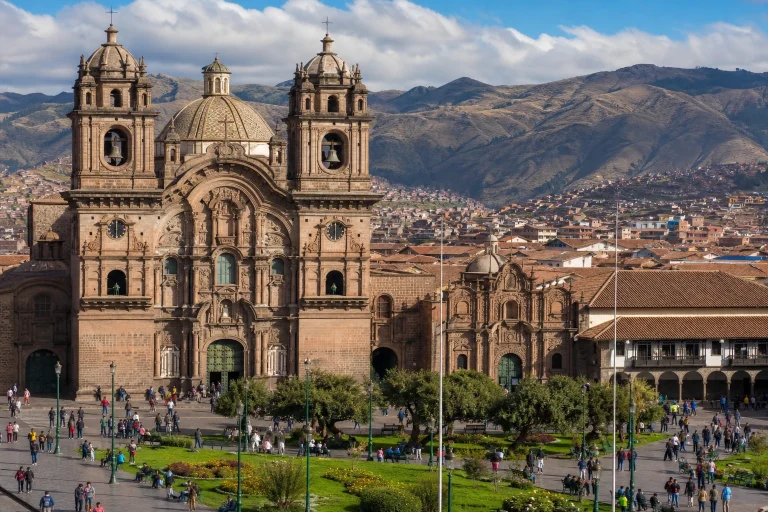
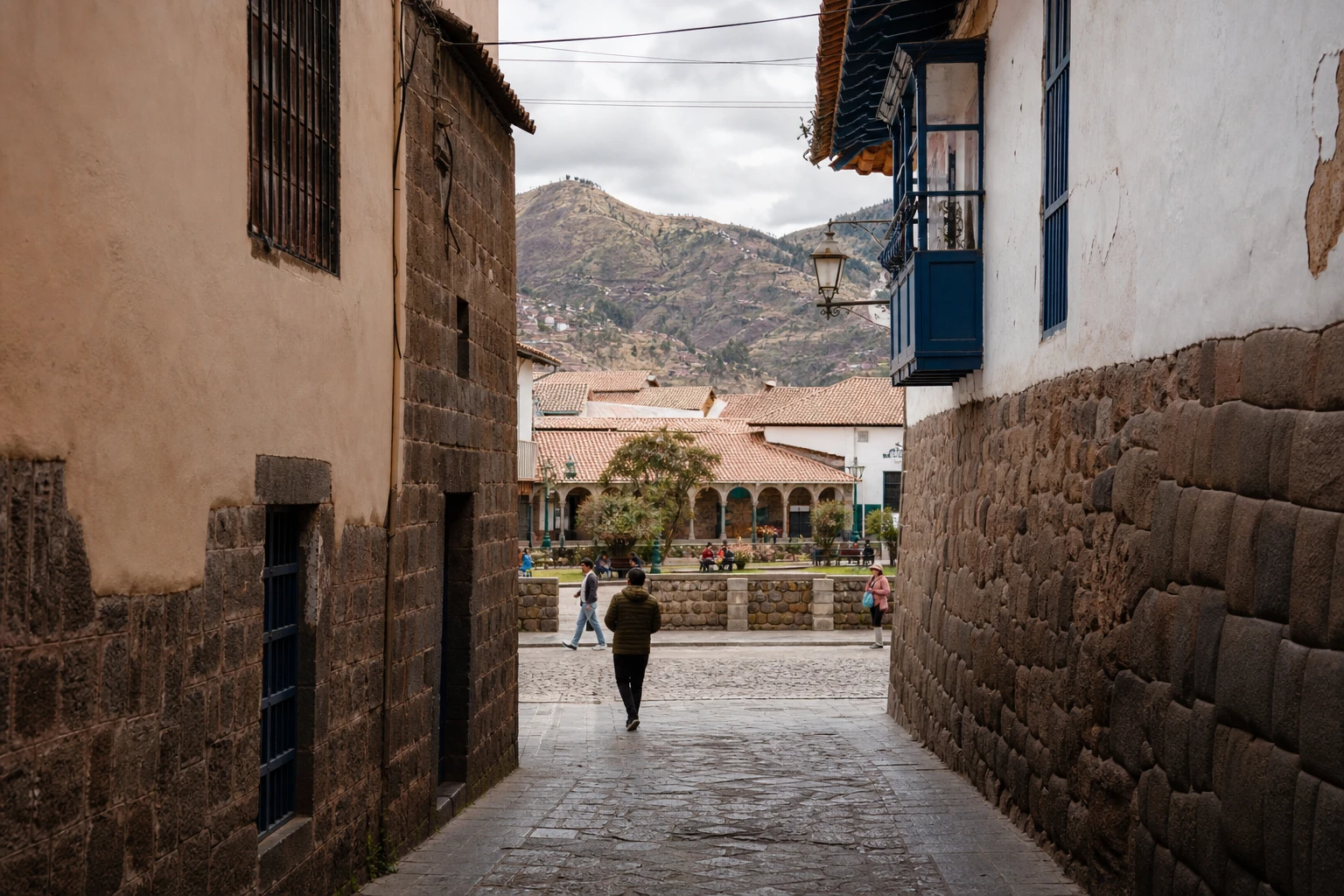
The historic centre offers a more open-ended kind of discovery through its catalogued urban environments. A street can be the focus of a walk. A plaza can become a natural pause between plans. A mirador can be the reason to slow down and take in the city’s setting. These are not interchangeable stops: each encourages a different pace and way of looking at Cusco.
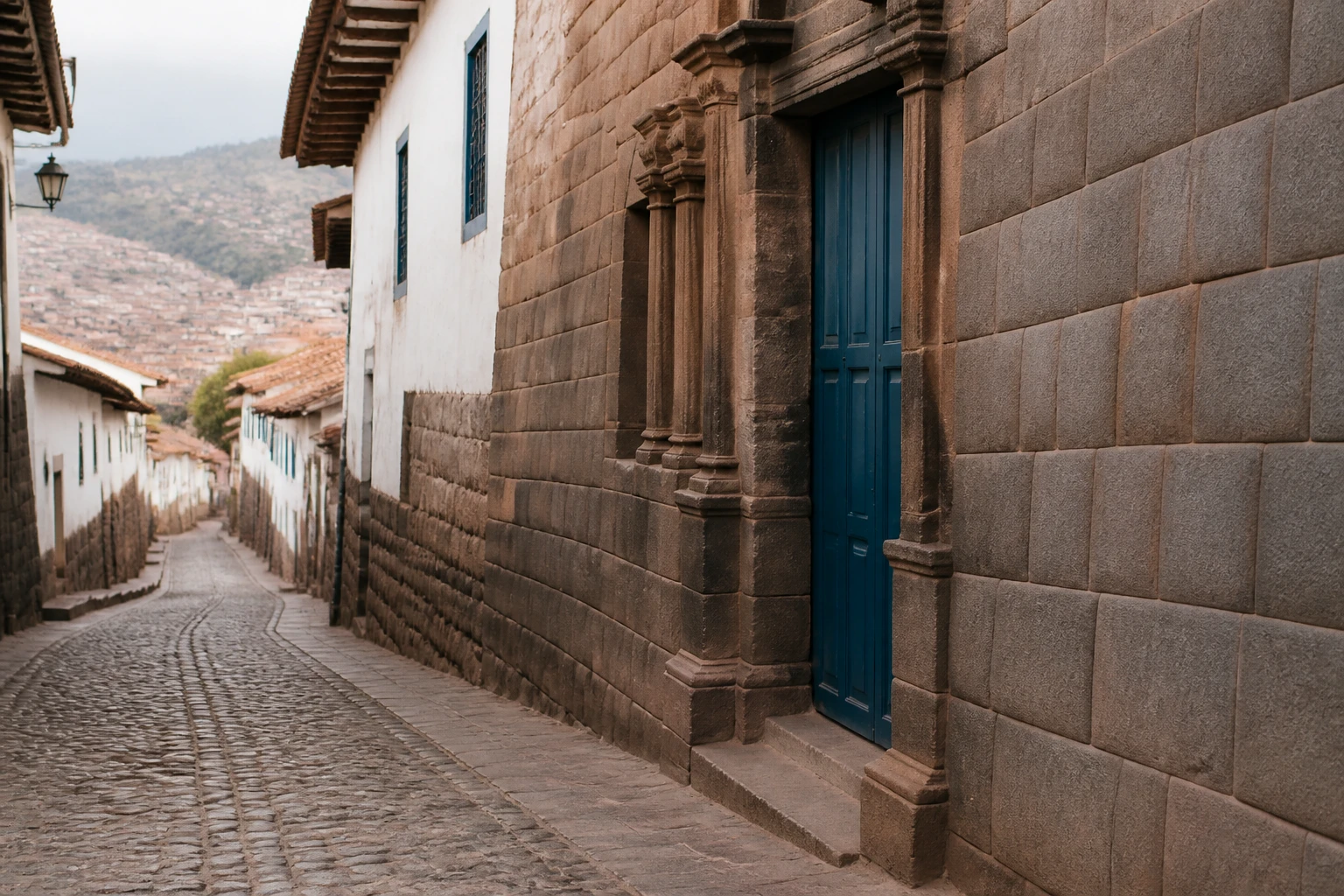
Use the catalogue as a place-finding tool, then keep the day simple. Choose one or two streets, a plaza, or a viewpoint that fit the part of the historic centre you already plan to explore. Avoid turning the exercise into a scavenger hunt. The point is to create space for observation and orientation, not to collect an arbitrary number of pins.
| Historic-centre lead | Best way to use it | Practical planning approach |
|---|---|---|
| Streets | Make them the thread between other plans. | Choose a manageable section and allow time to pause rather than rushing through. |
| Plazas | Use them as natural landmarks and rest points. | Build them into a walk instead of treating them as separate ticketed stops. |
| Miradores | Add one when it fits your route and energy level. | Confirm the approach and current access before making it a fixed part of the day. |
The Antiguo Polvorín: a meaningful heritage lead in Wanchaq
The Antiguo Polvorín, at Avenida Huayruropata 850 in Wanchaq, has been delimited as a monument within Peru’s cultural heritage. Its location outside the usual historic-centre circuit makes it an intriguing lead for travelers interested in Cusco’s wider heritage landscape rather than only its most familiar landmarks.
Keep the distinction between heritage value and visitor access clear. The designation does not establish that the Antiguo Polvorín has public entry, guided visits, tickets, opening hours, or independent access. Do not build a tightly timed day around it. If current visitor conditions suit your plans, it can add depth to a Wanchaq-focused outing; otherwise, let it remain a point of interest rather than a promised stop.
Plan for a changing cultural landscape
Cultural interpretation and recovery projects are listed around several important Cusco places, including the Museo Histórico Regional in Casa Garcilaso de la Vega, the Qorikancha–Ñustapakana ritual route, and sectors of the Sacsayhuamán archaeological park. Project activity can shape the on-the-ground experience, so leave room in your schedule for a different circulation pattern or a change of focus.
A project listing is not the same as a closure notice, and it should not send you away from these areas. It is simply a reason to make your hidden-gems plan flexible. If a preferred passage or area is unavailable, shift attention to a nearby street, plaza, or viewpoint rather than trying to force the original route.
If Sacsayhuamán is part of your wider Cusco plan, the Sacsayhuaman Guide for First Timers provides a fuller framework for that major archaeological visit. Keep the lesser-known city walk separate from any tightly structured visit there, especially when current works could affect the experience in particular park sectors.

The Best Private Sacred Valley Tour in Cusco ( with Pisac)
We know very well each place of this tour, since we have been grown in this area and we studied over 3 years to get...

Machu Picchu Circuit 2 Entrance Ticket with Guided Tour
Explore the wonders of Machu Picchu via the official Circuit 2 route, known for its stunning views and historical si...

Machu Picchu Private Day Trip from Cusco
This private Machu Picchu day trip is ideal for travelers seeking a seamless, stress free experience. With guarantee...
Build a flexible hidden-gems walk
A good hidden-gems outing needs a light structure, not a minute-by-minute route. Begin with a part of Cusco you already intend to visit, add a small number of urban-environment leads, and leave a fallback option. This makes the day practical even when an address needs a closer look, a route changes, or a particular stop proves unsuitable for your group.
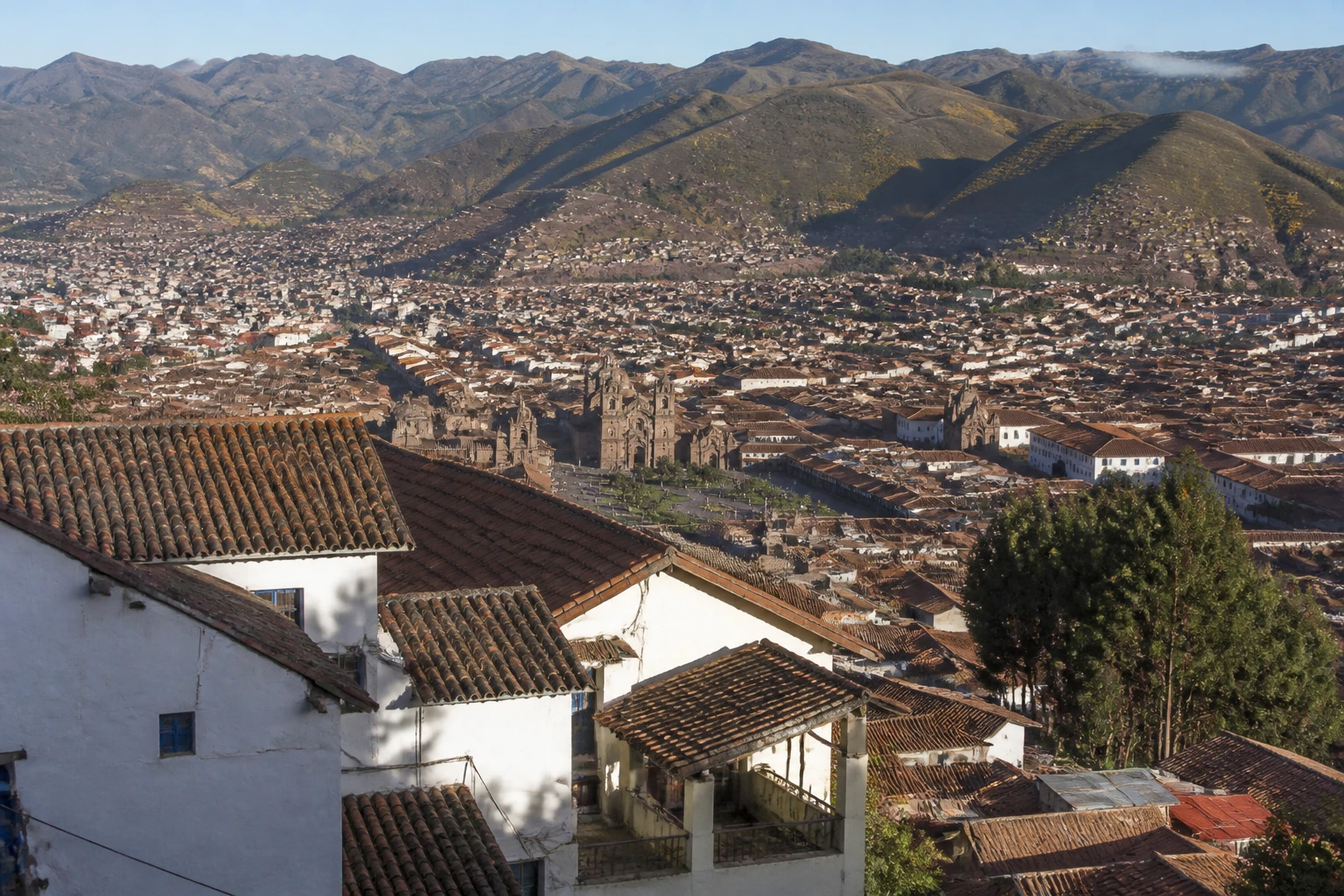
- Choose two anchors from the historic-centre categories: a street and plaza, a plaza and mirador, or a street and mirador.
- Check current entry conditions before committing to any heritage address that is not clearly presented as a visitor attraction.
- Keep one unscheduled pause between anchors so the walk does not become rushed.
- If a stop requires access you cannot confirm, replace it with another catalogued urban environment nearby.
- Use the walk as a complement to, rather than a substitute for, the major sights you have already prioritized.
Keep this exploratory segment separate from time-sensitive sightseeing. The 3 Days in Cusco Itinerary can provide the larger structure for a short stay, while a hidden-gems walk supplies a looser block within it. For a neighborhood-focused outing on another day, the San Blas Cusco Travel Guide is a useful way to plan that district without cramming every walk into the same schedule.
Accessibility, entry, and cost: confirm the details that matter
Do not assume that lesser-profile historic-centre spaces or the Antiguo Polvorín have step-free routes, adapted toilets, wheelchair access, sensory accommodations, or mobility assistance. Travelers who need these features should confirm the specific route and facilities before setting out. That check is especially important when a plan includes viewpoints, heritage buildings, or any stop beyond the most clearly managed visitor sites.
Keep costs equally specific. Promotional Machupicchu rates for 2026 apply to defined groups, including Peruvian nationals, foreign residents in Peru, and citizens of the Andean Community. They are not a price guide for Cusco city hidden gems. Similarly, anniversary-day free entry authorized for certain Ministry of Culture museums is limited to Peruvian nationals and foreign residents, so it should not be treated as a general visitor saving.
For capacity-managed cultural visits in the wider Cusco region, date-specific planning can matter. Do not automatically apply those rules to an urban walk in Cusco city, but do check the current arrangements for any managed site you decide to add. Keep confirmations for the day’s fixed bookings, and let the hidden-gems portion remain the adaptable part of your schedule.
Who this Cusco hidden-gems approach suits
This approach suits travelers who enjoy reading a city through its spaces as much as through its headline monuments. It works especially well when you have already reserved time for your must-see sights and want a thoughtful, lower-pressure way to explore the historic centre. Its main limitation is deliberate: lesser-known heritage does not always come with visitor infrastructure or predictable access.
The best next step is simple. Select a few streets, plazas, or miradores from the historic-centre catalogue, check the practical details that matter to your group, and leave room to adjust. In Cusco, that flexible rhythm is often what turns a gap between major attractions into a memorable part of the trip.
Frequently asked questions
What counts as a hidden gem in Cusco?
In this guide, a hidden gem is a lower-profile historic urban environment or heritage lead rather than a guaranteed bookable attraction. Cusco’s historic-centre catalogue includes streets, plazas, and miradores that can form the basis of a more exploratory walk.
Can I visit the Antiguo Polvorín in Cusco?
Public visitation at the Antiguo Polvorín is not confirmed. It is a heritage monument at Avenida Huayruropata 850 in Wanchaq, but its designation does not establish public entry, tours, tickets, or opening hours.
Should I make reservations for Cusco hidden gems?
Reservations depend on the specific place, not on the hidden-gems label. Capacity-managed cultural visits in the wider Cusco region can require date-specific planning, while a self-directed historic-centre walk is best kept flexible.
Are Cusco’s lesser-known heritage stops wheelchair accessible?
Accessibility is unconfirmed for the historic-centre urban environments and the Antiguo Polvorín covered here. Confirm step-free access, adapted facilities, and mobility assistance for each intended stop before you go.
Can I use Machupicchu ticket prices to budget for Cusco city attractions?
No. The 2026 promotional Machupicchu tariff applies to specific eligible groups and is not evidence of admission costs for Cusco city hidden gems.
Cusco 4-Hour Private Tour Including Sacsayhuaman and Qenqo
Discover the magic of Cusco on a 4-hour private sightseeing tour of the capital of the Inca Empire. Explore the city’s main attractions with your pr...
Cusco City Tour Four Ruins in Half-Day
Enjoy the Ancient Inca Capital of Cusco .This Tour is half a day that includes a visit to the main square , the Temp...
Experiences to explore
 Explore experience ↗
Highlights & Hidden Gems With Locals: Best of Cusco Private Tour
◷ 3 hr
This is not just another city tour; this is the best of Cusco from a unique perspective! Get to know Cusco on a city tour that gives yo
See dates for Current pricing
View dates Explore experience ↗
Hidden Gems of Cusco Tour | Tipon Ruins-Pikillacta-Andahuaylillas
◷ 7 hr
This tour will be combining beautiful natural landscapes, Inca architecture in Tipon, pre-Inca Wari architecture in Pikillacta and a be
See dates for Current pricing
View dates Explore experience ↗
Inka's Heritage 05D,04N : Discover Cusco & Machu Picchu!
◷ 120 hr
This trip plan has been specially prepared for you to have the best time in Cusco. This experience features stunning landscapes, cathed
See dates for Current pricing
View dates