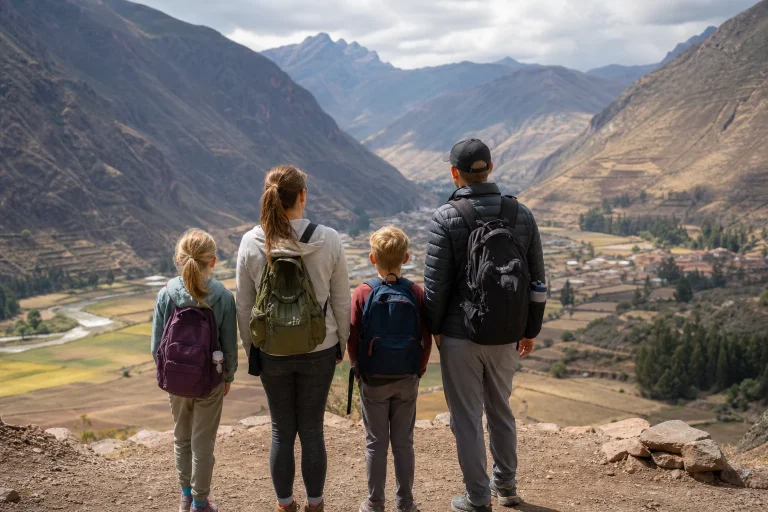
Pisac Day Trip From Cusco
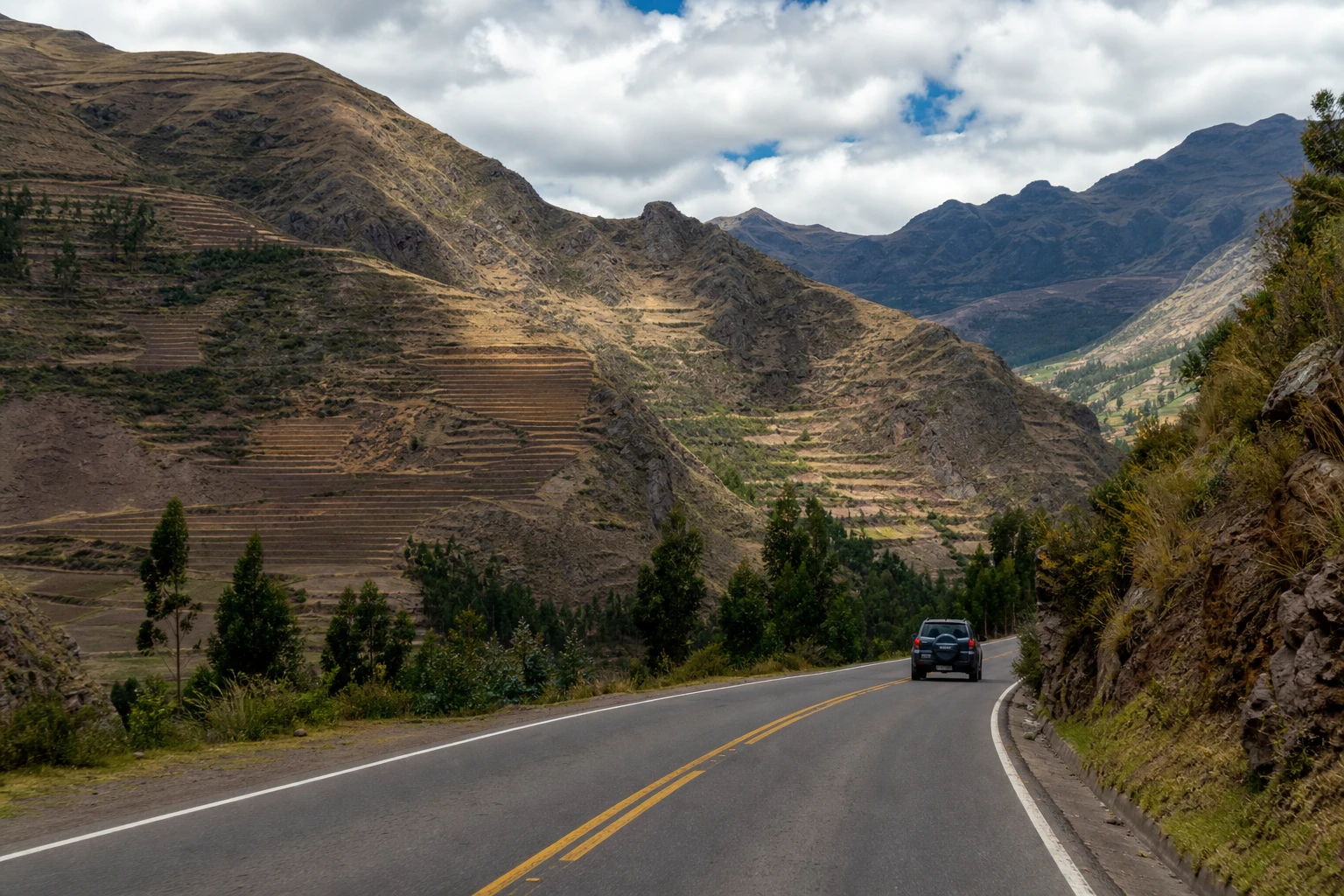
Pisac, also written Pisaq, is a rewarding road-based day trip from Cusco when you give the archaeological park enough time. The official approach follows the paved Cusco-Calca road for 33 km to Pisac, then continues 9 km to the park. Visiting hours run from 7:00 a.m. to 4:30 p.m., so an early, flexible plan is far more comfortable than trying to squeeze the site between several fixed appointments.
- The archaeological park is reached by a paved route: 33 km from Cusco to Pisac, then 9 km farther to the park.
- Plan around the stated 7:00 a.m. to 4:30 p.m. visiting window, with enough time to finish before closing.
- Pisaq is included in the Cusco Tourist Ticket, but confirm the current ticket type and price that applies to you.
- A dedicated day gives you more buffer at the site than a tightly packed multi-stop itinerary.
- Protect the site and yourself: do not climb on or paint archaeological walls, and stay on authorized routes.
Build the day around time at the archaeological park
Start with one non-negotiable: enough time at the park before the 4:30 p.m. end of visits. Set your Cusco departure and return plan first, then decide whether any extra stops genuinely fit. This approach keeps the day useful even if road movement is slower than expected, a meeting time shifts, or you simply want longer at the archaeological park.

Full-Day Excursion to Sacred Valley, Pisac and Ollantaytambo from Cusco
You will know the 5 most important places in the Sacred Valley You will have a buffet lunch of the 30 best dishes of Peru. We have fun and knowledge...

Sacred Valley of the Incas Day Trip from Cusco
Only 1 hour away by paved road from Cusco, the valley of the Urubamba River, or Sacred Valley of the Incas, is a set...

VISIT ALL THE SACRED VALLEY WITH MARAS & MORAY (Full day trip for your family)
This is a private full day tour in the Sacred Valley of Cusco, wich includes transport and tour guide for all your f...

From Cuzco: Sacred Valley, Pisac, Ollantaytambo, Salar de Moray
As the operator of the Sacred Valley, World Explorer Peru stands out for offering a well-organized experience, with...
Think of Pisac as a full-day outing, not a quick detour. Transport, guiding, meals, and any added stops all create variable local costs, so it is wiser to set a spending buffer than rely on a fixed budget figure found elsewhere. If you book a tour or transfer, review the confirmation for its exact pickup point, departure time, inclusions, and return arrangement.
Getting from Cusco to Pisac
The confirmed approach is straightforward: travel on the paved Cusco-Calca road for 33 km to Pisac, then continue another 9 km to the archaeological park. That 42 km road approach is the core logistical fact for a day trip. Build in margin for both legs rather than treating the park as if it were immediately outside Cusco.
A direct road transfer keeps the day simple because it centers the visit on the park rather than on a chain of connections. For an independent plan, settle the pickup location, departure time, and return arrangement before leaving Cusco. If your plan uses public transport, confirm the relevant stop, return connection, and fare locally on the day instead of planning around assumed timetables.
Choose between a dedicated Pisac visit and a multi-stop day
A dedicated Pisac day suits travelers who want a calmer pace and room for changes. The road approach and the 4:30 p.m. closing time make that extra flexibility valuable. It also leaves space to pause, follow the authorized route at an unhurried rhythm, and return without watching every minute of a compressed schedule.
A multi-stop Sacred Valley itinerary can be appealing when broad coverage matters more than time at one site. The trade-off is simple: every added stop reduces your buffer for traffic, timing changes, and the visit itself. Keep Pisac as the priority if it is the reason for the trip, and add only what still leaves a comfortable margin before the park closes.
| Trip style | Works best when | Main planning trade-off |
|---|---|---|
| Dedicated Pisac day | You want a larger time buffer at the archaeological park. | More room around the 42 km road approach and the 4:30 p.m. end of visits. |
| Multi-stop Sacred Valley day | You value wider regional coverage over a longer single-site visit. | Less flexibility if road conditions or the pace of the day changes. |
For a broader regional plan, a Sacred Valley travel guide from Cusco can help you decide which places deserve their own day. A slow Sacred Valley itinerary covering Pisac, Ollantaytambo, Maras and Moray is a better planning model for travelers who can spread their sightseeing across more than one day, rather than forcing every landmark into a single outing.
Cusco Tourist Ticket and day-trip costs
Pisaq is one of the places covered by the Cusco Tourist Ticket, or Boleto Turístico del Cusco. Confirm the current ticket category, validity, and visitor price directly with COSITUC before departure. Do not assume that a price quoted for a national integrated ticket is the correct rate or ticket format for every visitor.
Keep the rest of the budget flexible. Road transport, a guide, food, and any optional additions do not have one dependable fixed price for every traveler or itinerary. A good practical rule is to decide how much flexibility you want, then choose the transport or tour arrangement that gives you the right balance of timing, privacy, and structure.

Sacred Valley Full-Day Private Tour from Urubamba & Ollantaytambo
Explore the best and most unique sites of the Sacred Valley on a leisurely full-day tour with a local guide. This pr...

The Ultimate Full Day Sacred Valley Tour
Beat the Crowds: Experience the magic without the masses. We've meticulously planned our itinerary to ensure you arr...

Full Day Sacred Valley Tour; Pisaq, Ollantaytambo and Chinchero
If you are in the city of Cusco, take a full-day tour through Sacred Valley of the Incas and explore in detail all i...
Respect the site and check route conditions
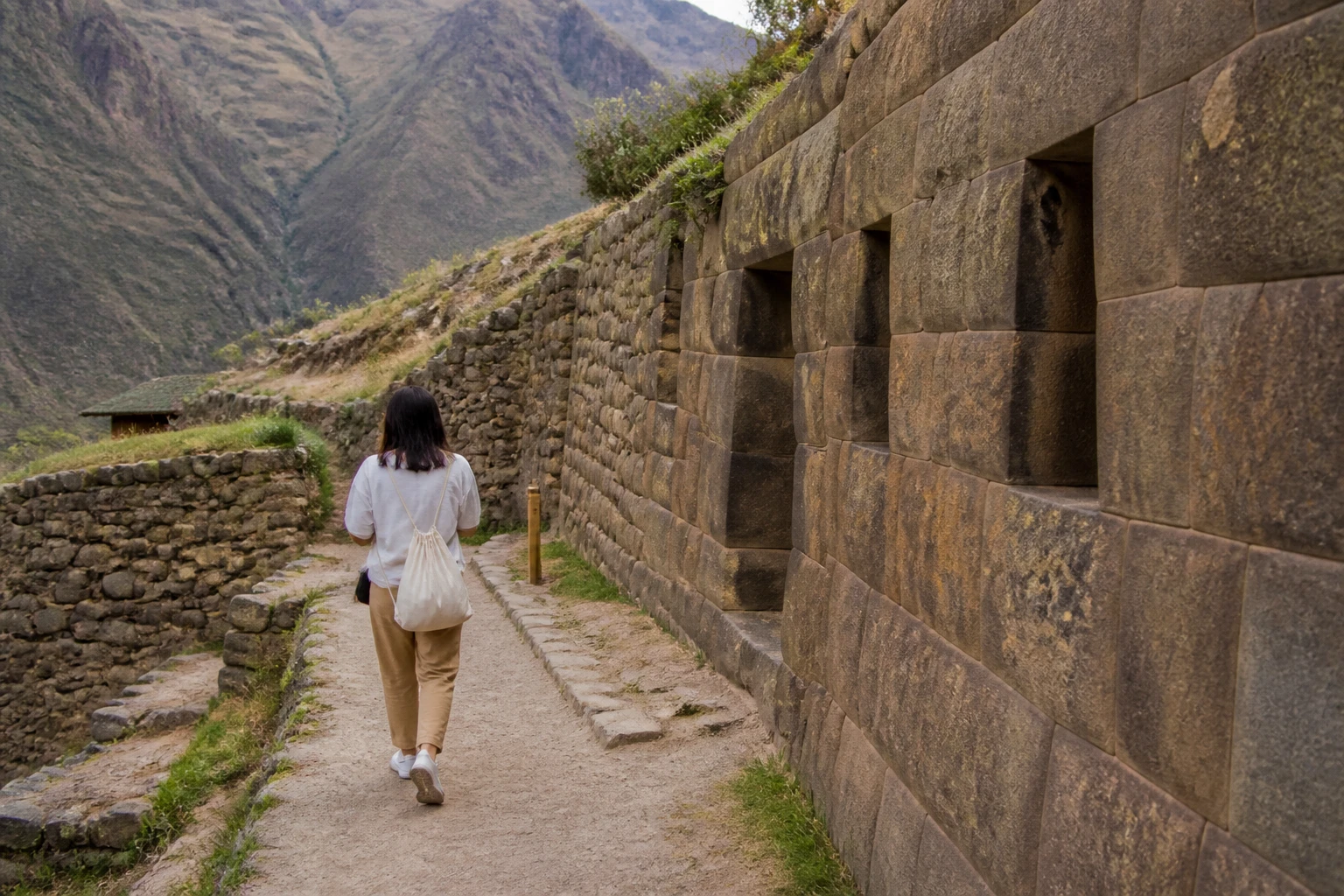
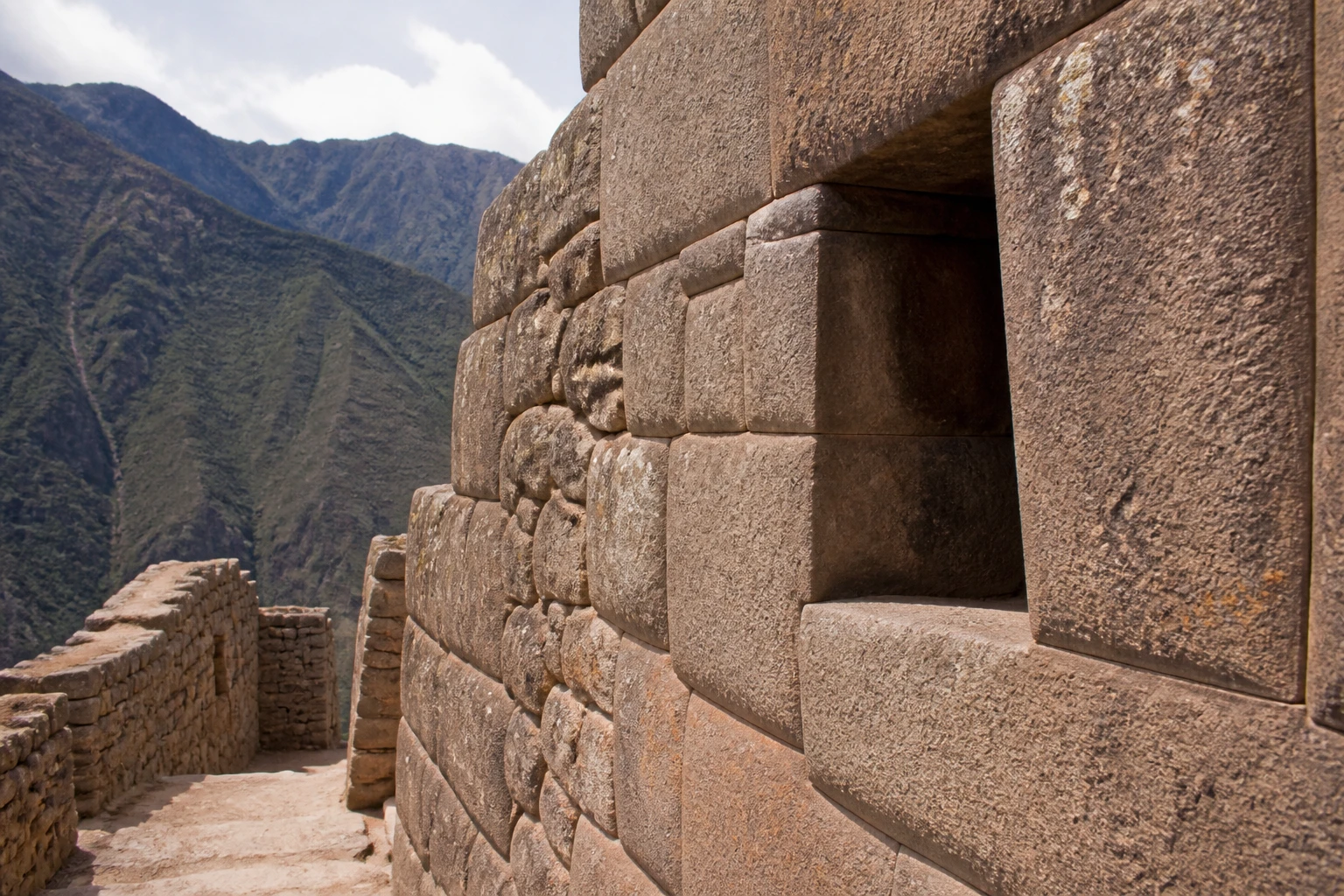
Pisac deserves a careful visit. Do not climb on or paint the archaeological walls. Follow authorized routes and treat stonework as protected heritage rather than a backdrop for scrambling or shortcuts. These rules safeguard the site and reduce the risk of a preventable accident during a day that is best enjoyed at a measured pace.
Do not build your plan around the Amaru Punku to Intihuatana access without a current local check. That stretch has been the subject of maintenance intended to reopen it after a long safety closure related to falling-rock risk. Its current opening status needs confirmation. More broadly, check same-day road and tour-operating conditions, since regional authorities have recently flagged mobility difficulties elsewhere in the wider visitor circuit.
Accessibility needs a route-specific conversation
The road approach to the park is paved, but travelers using a wheelchair or managing limited mobility should confirm the exact visit route and current conditions with the park authority or a local operator before committing. A paved approach does not by itself describe the conditions along the archaeological visit route or the facilities available on the day.
Be specific when asking. Explain the mobility aid used, the amount of walking that is manageable, whether steps create a barrier, and whether assistance is needed. That gives the person arranging the visit a clear basis for advising on the most realistic route and timing.
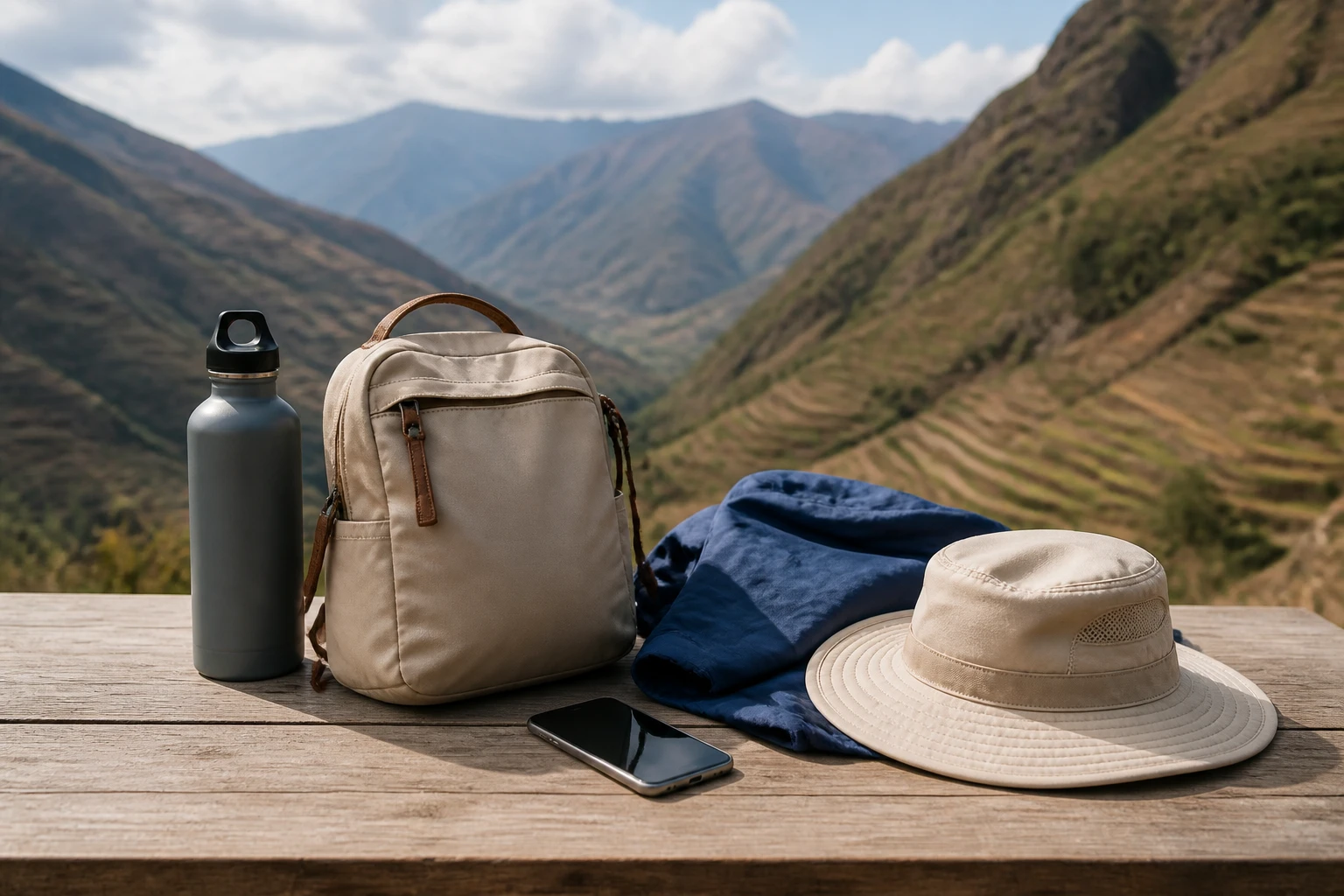
Pack for a practical full day outdoors
- Your Cusco Tourist Ticket or confirmed admission arrangement.
- Water and a small snack for the road and park visit.
- Sun protection, plus a light extra layer and rain cover for changing conditions.
- Footwear that feels secure for a long day on your feet.
- A charged phone, some local currency, and your transport or tour confirmation.
Keep the bag light enough that it does not distract from the visit. The most useful preparation is not extra gear but a plan with breathing room: a confirmed departure, a clear return arrangement, current ticket details, and enough time to complete the park visit before the stated closing time.
A low-stress Pisac day-trip framework
- Confirm the applicable Cusco Tourist Ticket before the morning of your trip.
- Arrange a road departure from Cusco with a realistic return plan, not just an outbound ride.
- Reach the park early enough to use the published 7:00 a.m. to 4:30 p.m. visit window well.
- Keep the archaeological park as the priority and add other stops only if the day still has comfortable margin.
- Before setting off, check current road conditions and the status of any route you hope to use.
This framework is deliberately flexible. It does not depend on a fixed public-transport fare, a promised taxi rate, or a tightly timed sequence of unrelated stops. Instead, it protects the parts of the day that matter most: reaching Pisac, having time inside the park, respecting its rules, and returning to Cusco without a last-minute rush.
Is a Pisac day trip from Cusco worth it?
Yes, Pisac is a strong choice for travelers who want to devote a day to an archaeological park without turning the experience into a race between stops. Its main limitation is logistical: it requires a 42 km road approach from Cusco and careful use of the 7:00 a.m. to 4:30 p.m. visiting window. Leave early, confirm your ticket and transport, and give the site the time a dedicated day allows.
Frequently asked questions
How far is Pisac archaeological park from Cusco?
The official road approach is 33 km from Cusco to Pisac on the paved Cusco-Calca road, followed by another 9 km to the archaeological park. Plan for a road-based outing with time buffer rather than a quick city-side visit.
What are the visiting hours for Pisac archaeological park?
The listed visiting hours are 7:00 a.m. to 4:30 p.m. Arrive early enough to complete your visit before the closing time, rather than treating 4:30 p.m. as a suitable arrival time.
Is Pisac included in the Cusco Tourist Ticket?
Yes. Pisaq is covered by the Cusco Tourist Ticket, also called the Boleto Turístico del Cusco. Check COSITUC for the current ticket category, validity, and price that applies to your visit before you travel.
Should I visit Pisac on its own or combine it with other Sacred Valley stops?
A dedicated Pisac day is the better choice when time at the archaeological park matters most. Combining stops gives you wider coverage but reduces flexibility around the road journey and the 4:30 p.m. end of visits.
Is Pisac accessible for travelers with limited mobility?
The approach road is paved, but accessibility at the park should be confirmed for your exact needs before booking transport or a tour. Ask about the route, steps, gradients, facilities, and assistance relevant to your visit.
Can I use the Amaru Punku to Intihuatana access at Pisac?
Confirm its current status locally before you go. The access stretch has undergone work intended to reopen it after a safety closure, but travelers should not base a day plan on the route without up-to-date confirmation.
Sacred Valley of the Incas Day Trip from Cusco
Only 1 hour away by paved road from Cusco, the valley of the Urubamba River, or Sacred Valley of the Incas, is a setting of picturesque communities, i...

1-Day Tour Sacred Valley From Cusco
Uncover the fascinating architecture and culture of the ancient Incas during this day trip covering the highlights o...
Full-Day Excursion to Sacred Valley, Pisac and Ollantaytambo from Cusco
You will know the 5 most important places in the Sacred Valley You will have a buffet lunch of the 30 best dishes o...

Sacred Valley of the Inkas Full Day Tour
Here is your revised Sacred Valley tour description, reduced by approximately 100 characters for clarity and concise...
Experiences to explore
 Explore experience ↗
Rainbow Mountain Early Access Tour from Cusco
◷ 12 hr
Travel for a few hours from Cusco through the rugged mountain countryside of Peru to reach the aptly named Rainbow Mountain, striped wi
See dates for Current pricing
View dates Explore experience ↗
Cusco: ATV Tour at Maras & Moray - Off Road Trip
◷ 6 hr
Get ready for an adrenaline-packed adventure as you explore Maras and Moray on an off-road ATV tour. Rev your engines and conquer rugge
See dates for Current pricing
View dates Explore experience ↗
5 Day Trekking Salkantay Snow Peak Route to Machu Picchu from Cusco
◷ 120 hr
Hike for four days on the Salkantay Trek, a scenic alternative to the more traditional Inca Trail, and visit the amazing ruins of Machu
See dates for Current pricing
View dates