Cusco Shopping Guide
Shopping in Cusco is easiest to plan by purpose. Mercado Central de San Pedro brings food, prepared dishes, traditional Andean medicine, and handicrafts into one large market. San Blas is suited to independent art and craft browsing, Centro Artesanal offers a concentrated handicraft stop, and Mercado de Qorao is an early-day alternative outside central Cusco. Choose the kind of purchase first, then give yourself time to compare before deciding.
- Use Mercado Central de San Pedro for a broad local-market stop with food, prepared dishes, traditional Andean medicine, and handicrafts.
- Browse San Blas for independent art and handicraft workshops and shops.
- Treat Centro Artesanal as a focused handicraft stop, and confirm its opening time on the day.
- Plan Mercado de Qorao as a separate, morning-oriented outing with transport arranged in advance.
- Compare like with like, inspect each item closely, and avoid relying on an assumed “best price” for an entire district.
Choose the shopping stop that fits your plans
Cusco’s main shopping options work best as distinct experiences rather than interchangeable souvenir stops. Visit San Pedro when food shopping or market atmosphere is the priority. Set aside time in San Blas for art and handicrafts. Use Centro Artesanal when you want a concentrated handicraft-shopping option, and consider Qorao only when its location on the Cusco–Pisac road fits the rest of your day.

Peruvian Cooking Class Cocktails and Market Tour in Cusco
You will cook 3 Peruvian courses and 2 cocktails. Our Peruvian Cooking, cocktails and market tour starts at San Pedro Market (door number 1), with a v...

Excursion to Pisac Salineras Moray and Ollantaytambo From Cusco
We start by heading to Pisac, there we will first visit the archaeological site that is above the current citadel, w...
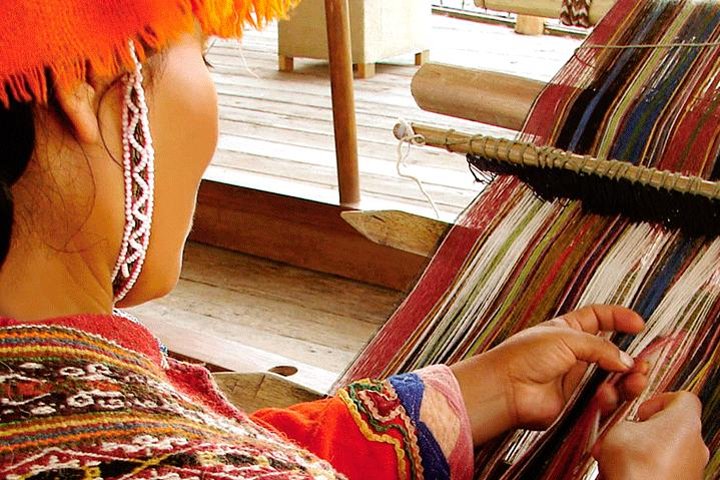
Alpaca & Textile Weaving Lessons & Shopping Tour from Cusco"
Enjoy a fantastic shopping experience in Pisaq, one of the most evocative districts in the sacred valley - Cusco, on...

Sacred Valley Tour Vip Chinchero Ollantaytambo and Pisac
This full-day VIP tour of the Sacred Valley offers you an amazing, unique and enriching experience. Explore the outs...
Mercado Central de San Pedro for food and market browsing
Mercado Central de San Pedro is identified as Cusco’s oldest central market and has more than 1,180 stalls. Its range includes fresh food, typical prepared foods, traditional Andean medicine, and handicrafts. That scale makes it a practical choice when a shopping stop needs to serve several purposes, such as finding food items, seeing a working market, and looking at crafts in the same visit.
A focused plan keeps a large market enjoyable. Decide in advance if you are looking for food, a prepared meal, a cultural product, or a handicraft, then make a first circuit before choosing. The San Pedro Market Guide is a useful companion for visitors who want to give this food-market stop more room in their Cusco plans.
Shop San Pedro with a short list
At a market of this size, two or three clear priorities are more useful than trying to examine every stall. Take a first pass to understand the choices, then return to the sellers whose goods best match your needs. This approach is especially useful for handicrafts, where construction, finish, and the details of an individual piece matter more than a quick first impression.
- Fresh food and food items
- Typical prepared foods
- Traditional Andean medicine
- Handicrafts
Keep food and health decisions separate
The market’s traditional Andean medicine stalls can be culturally interesting, yet a product sold for a traditional purpose should not be treated as a proven medical treatment. Make health decisions with appropriate professional advice. For food, herbs, remedies, or animal-derived goods that you hope to take home, check your destination’s import rules before making the purchase.
San Blas for independent art and craft shops
Municipal historic-centre material documents independent art and handicraft workshops and shops in the San Blas area. This makes San Blas a strong choice when you want to browse work in smaller outlets and spend time considering pieces individually. It rewards an unhurried approach: look closely, compare styles, and ask direct questions about the item that has caught your attention.

A San Blas Cusco Travel Guide can help place a shopping walk within a wider visit to the area. For shopping itself, keep your plans flexible. There is no reliable consolidated schedule for every art and craft outlet, so confirm individual shops before building an evening or Sunday around a particular stop.
How to browse San Blas with purpose
Give yourself permission to leave a shop and return later. A second look helps when choosing art or a handmade object, especially if you are deciding between different finishes, sizes, or designs. Keep a note of the shop and the item that interested you, then compare it with similar work before committing. That small pause often leads to a purchase you will be happier to carry home.
Centro Artesanal for concentrated handicraft shopping
Centro Artesanal Cusco is listed as a concentrated handicraft-shopping option in the Avenida Tullumayo and Pachacútec area, opposite Paccha. It is a useful choice when you prefer to focus on crafts in one stop rather than build an entire day around several neighbourhoods. Compare items carefully and ask about the materials and making process of any piece you are considering.
A tourism artisan directory lists Centro Artesanal from 08:00 to 20:00. Use that as a planning guide, not a fixed promise: opening schedules can change, so check the day’s hours before setting out. This matters most if you are fitting shopping around a tour departure, restaurant booking, or onward travel.

Traditional Peruvian Cooking Class and Market Tour in Cusco
This activity is directed by an original chef from the city of Cusco, who has grown up among the traditions and stor...

Sacred Valley Tour Vip Chinchero Ollantaytambo and Pisac
This full-day VIP tour of the Sacred Valley offers you an incredible, unique and enriching experience. Explore the n...

Sacred Valley VIP Tour Chinchero Ollantaytambo and Pisac
This full-day VIP tour of the Sacred Valley offers an incredible, unique, and enriching experience. Explore the nota...
Mercado de Qorao for an early outing beyond central Cusco
Mercado de Qorao is listed on the Cusco–Pisac road at kilometre 12. The directory schedule is 07:00 to 13:00 on Tuesdays, Thursdays, and Sundays, which makes it an early-day option rather than a casual late-afternoon browse. Reconfirm that it is operating and settle your transport plan locally before treating those hours as the anchor of your itinerary.
Qorao makes the most sense when its road location supports the rest of your travel day. The Sacred Valley Travel Guide From Cusco can help visitors think through a broader valley-bound plan, while Qorao’s limited listed hours call for an early start and a flexible backup plan.
Compare crafts carefully before you buy
A thoughtful comparison is more useful than trying to identify one universally cheapest place to shop. Markets, artisan centres, and independent shops serve different purposes, and each piece deserves its own assessment. Focus on workmanship, condition, materials, usefulness, and the amount of care visible in the finish. A small, well-considered purchase is easier to value than a rushed pile of souvenirs.

- Inspect the item closely, including edges, joins, fastenings, and any painted or woven details.
- Ask the seller to identify the materials and explain how the item was made.
- Compare similar pieces in more than one stall or shop before selecting one.
- For artwork or a handmade object, ask questions that help you understand what makes that individual piece distinct.
- Agree on the final total before completing the purchase, especially when buying several items together.
Ask questions with genuine curiosity rather than treating a seller as a source of rehearsed souvenir facts. A direct conversation about material, process, and care can help you choose an object that fits your home and your luggage. It also gives you a clearer basis for comparing items that initially look similar.
Set a budget without chasing unreliable price benchmarks
Current prices for Cusco textiles, silver, ceramics, food, and souvenirs are not fixed benchmarks that can be usefully applied across every stall and shop. Set a personal spending ceiling, then compare similar objects on their own merits. Give yourself a second pass before buying a higher-cost piece, especially if you are choosing it as a gift or a lasting reminder of the trip.
A fair decision includes more than the displayed item. Consider its condition, practical use, size, weight, and the space left in your luggage. Before finalising a purchase, make sure you understand the total amount and what is included. This simple habit helps prevent a busy market moment from turning into a purchase you later regret.
Build a realistic shopping day in Cusco
Separate market shopping from artisan browsing when time is limited. San Pedro can fill a food-and-market slot, while San Blas is better reserved for independent art and craft browsing. Centro Artesanal provides a concentrated handicraft alternative, and Qorao requires an earlier, transport-conscious plan outside central Cusco.
- For a market-focused day, schedule San Pedro around your food shopping or prepared-food plans, then leave a separate window for crafts.
- For a craft-focused day, compare Centro Artesanal with a slower browse through San Blas shops.
- For a Qorao outing, use the listed morning schedule as a starting point only after confirming operation and transport.
- For evening or Sunday browsing, verify the schedule of every specific shop or centre you hope to visit.
A 3 Days in Cusco Itinerary is a useful companion when you need to place shopping around sightseeing and departure-day logistics. Keep one shopping period unscheduled if you can. That spare time lets you return for a piece you considered earlier instead of buying a substitute in a hurry.
Still comparing Cusco Market And Shopping Guide?
Ask for tour ideas, hotel suggestions, or a simple trip plan that combines both.
Trip Helper
Plan for uneven streets and confirm accessibility needs
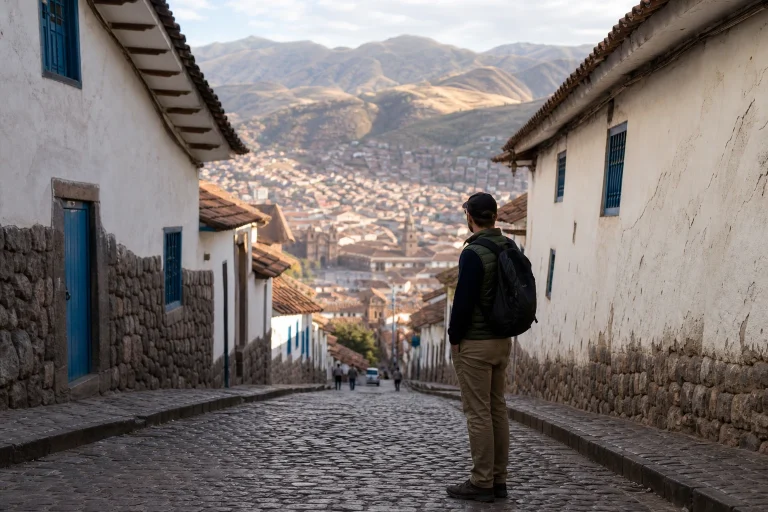
The San Pedro neighbourhood has traditional cobbled streets and an older urban fabric. Allow extra time for routes around central shopping areas, wear footwear that feels secure on uneven surfaces, and avoid overloading yourself early in the day. A lighter bag also makes it easier to browse, inspect items, and keep your hands free where the ground is irregular.

Visitors who need step-free access, accessible restrooms, seating, lifts, or other specific facilities should confirm those details directly with the individual market or shop before travelling there. Venue-level accessibility arrangements are not established for the shopping locations covered here, and the older central streets deserve extra consideration when planning a route.
Think ahead about food, remedies, and travel home
San Pedro’s mix of food, prepared dishes, traditional medicine, and handicrafts is part of what makes it useful. Still, products that are easy to buy are not automatically easy to take across a border. Check the rules that apply at your destination before purchasing food, herbal products, or animal-derived goods for your return journey. Do not make medical or safety assumptions about traditional remedies based on a shopping display.
Make your Cusco purchases count
Cusco shopping works best for travellers who enjoy looking closely and choosing deliberately. Start with San Pedro for a broad market experience, browse San Blas for independent art and crafts, use Centro Artesanal for a more concentrated handicraft stop, and plan Qorao only when an early outing beyond the centre fits your day. Leave time to compare, confirm schedules, and choose fewer items with more confidence.
Frequently asked questions
What is the best market to visit for shopping in Cusco?
Mercado Central de San Pedro is the strongest all-purpose market stop because it has more than 1,180 stalls and includes fresh food, prepared dishes, traditional Andean medicine, and handicrafts. Go with a short list so the size of the market does not become overwhelming.
Where should I shop for art and handicrafts in Cusco?
Start in San Blas for independent art and handicraft workshops and shops, then consider Centro Artesanal for a more concentrated handicraft-shopping stop. Compare individual pieces rather than assuming one area will suit every purchase.
What are Centro Artesanal Cusco’s opening hours?
A tourism artisan directory lists Centro Artesanal from 08:00 to 20:00, but confirm the schedule on the day you plan to go. Directory hours can change, and another published guide has listed different times.
When is Mercado de Qorao open?
Mercado de Qorao is listed from 07:00 to 13:00 on Tuesdays, Thursdays, and Sundays. Reconfirm operation locally and arrange transport before making it a fixed part of your day.
Can I bring food or traditional remedies home from Cusco?
You can find food and traditional Andean medicine at San Pedro, but bringing food, herbs, remedies, or animal-derived goods across a border depends on your destination’s import rules. Check those rules before purchasing items for your return journey.
Are Cusco’s markets and craft shops accessible for visitors with mobility needs?
Accessibility varies and should be confirmed with each venue before you go. Routes around central shopping areas can be uneven, and venue-level details such as step-free entry, accessible restrooms, seating, and lifts are not established for these locations.
Alpaca & Textile Weaving Lessons & Shopping Tour from Cusco"
Enjoy a fantastic shopping experience in Pisaq, one of the most evocative districts in the sacred valley - Cusco, once populated mainly by artists and...
Excursion to Pisac Salineras Moray and Ollantaytambo From Cusco
We start by heading to Pisac, there we will first visit the archaeological site that is above the current citadel, w...
Peruvian Cooking Class Cocktails and Market Tour in Cusco
You will cook 3 Peruvian courses and 2 cocktails. Our Peruvian Cooking, cocktails and market tour starts at San Pedr...
Sacred Valley Tour Vip Chinchero Ollantaytambo and Pisac
This full-day VIP tour of the Sacred Valley offers you an amazing, unique and enriching experience. Explore the outs...
Experiences to explore
 Explore experience ↗
San Pedro Ceremony in Cusco
◷ 12 hr–14 hr
THE CEREMONY OF SAN PEDRO WACHUMA IS CARRIED OUT ON THE NIGHT OF THE RESERVED DATE. To complete the experience of the San Pedro Wachuma
From $390.00 USD
View dates Explore experience ↗
Cusco City Sightseeing, San Pedro Market, Cathedral and Qorikancha Temple
◷ 3 hr 30 min
Discover the magic and beauty of Cusco, the capital of the Incan Empire. The flawlessly built Incan roads spread to all regions from th
See dates for Current pricing
View dates Explore experience ↗
Cusco Cooking Classes and San Pedro Market Tour
◷ 4 hr
Enjoy a 4-hour cooking tour in the morning or in the afternoon including the visit to the colorful San Pedro Market. Our professional P
See dates for Current pricing
View dates