Cusco Pisco Sour Guide
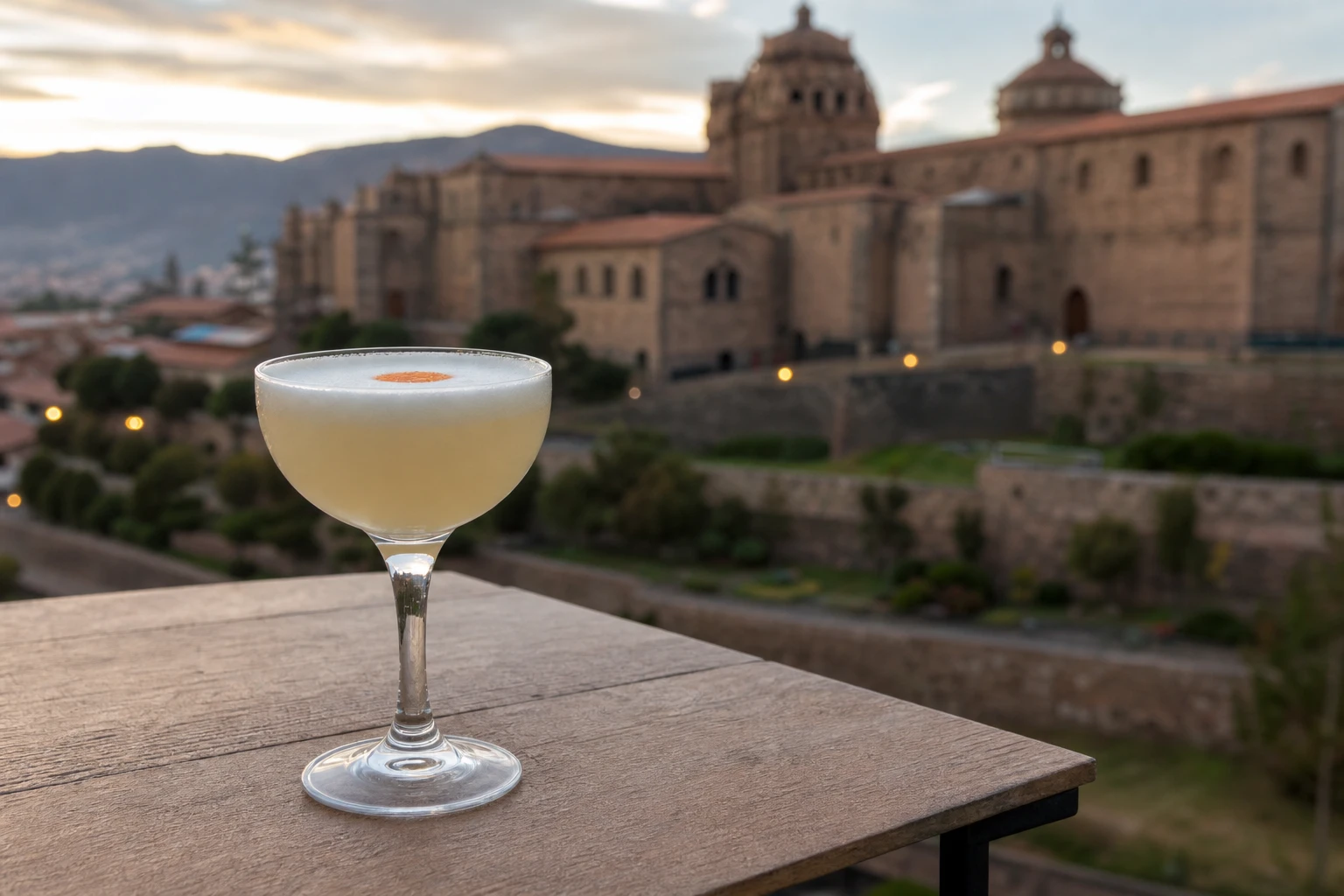
A pisco sour is a fine punctuation mark for a day in Cusco, but it is worth ordering with the right frame of mind. This is Peru’s emblematic cocktail, not a drink unique to Cusco. It was declared National Cultural Heritage in 2007, giving a single, well-made classic more cultural weight than any unsupported claim of a secret local version. Use this Cusco pisco sour guide to order thoughtfully, compare options, and keep the evening simple.
Start with the classic pisco sour
The most useful first order is a classic pisco sour. It gives you a reference point for the drink’s balance and lets the pisco itself stay central. Peru’s tourism-training agency emphasizes balance in the cocktail, so the aim is a harmonious drink rather than one defined by an exaggerated sweet, sharp, or strong note. A house variation can be enjoyable, but it should be a second choice rather than the only one you try.

Cooking Class: Lomo Saltado, PapaHuancaina, Pisco Sour, Picarones
Our Cooking experience starts at ou Cooking Studio, a traditional house from 1930. We start our experience preparing the most delicious cocktails with...
- Order a classic first if you want the nationally meaningful benchmark.
- Ask which pisco is used, especially if the menu offers a choice.
- Quebranta, mollar, and negra criolla are less-aromatic grape varieties suited to pisco sours.
- Treat named house versions as menu-specific drinks, not automatic proof of a uniquely Cusqueñan tradition.
- Check the current menu before ordering rather than relying on a generic price range.
How to order with confidence
A confident order does not require cocktail jargon. Ask for “un pisco sour clásico, por favor,” then ask a short follow-up question: “¿Qué pisco usan?” or “Which pisco do you use?” The reply gives you useful context and opens a friendly conversation without turning a relaxed drink into an interrogation. If a server presents several options, choose the style that sounds most appealing and enjoy the comparison at your own pace.
- Begin with a classic pisco sour.
- Ask which pisco is in the drink.
- If there is a choice, consider a less-aromatic variety such as quebranta, mollar, or negra criolla.
- Ask what makes a house version different before choosing it.
- Order a second style only if you genuinely want a comparison, not because a menu label sounds more local.
There is no need to hunt for a single correct tasting response. Notice whether the drink feels balanced to you, then decide if you want another classic, a house variation, or a switch to water and dinner. The point is to enjoy one of Peru’s most recognized cocktails with enough attention to understand why it has national cultural standing.
Choose a place by clarity, not by bold “best bar” claims
A useful Cusco pisco sour stop is one where practical details are clear. Look for a current drinks menu, staff who can explain the pisco used, and an evening plan that does not leave you rushing across town. A glossy description alone cannot tell you how a particular drink will suit your taste, so let the classic order and a brief conversation do the work.

Before setting out, check the venue’s current hours, reservation approach, and accepted payment methods. These details are specific to each operator and can change. For a group, decide in advance whether you want a seated drink with food or a short stop between other plans. A simple plan makes it easier to enjoy the cocktail without building an entire evening around it.
- A visible, current menu with clear prices in soles.
- A straightforward answer when you ask which pisco is used.
- Seating and timing that suit your group’s plans.
- A practical route back to your accommodation after the drink.
Travelers who need step-free access, an accessible restroom, particular seating, or assistance should ask the individual venue directly before traveling there. These arrangements vary from place to place, and a photograph or a central location does not confirm what is available on arrival.
Fit a pisco sour into your Cusco schedule
A pisco sour works best as a small pause in a wider Cusco day, not as an item to rush through. On an arrival day, let an altitude acclimatization plan for Cusco set the pace, and keep the drink optional until you feel settled into your schedule. Choosing a calm dinner-time order can be more rewarding than trying to turn the first evening into a tasting mission.
Travelers leaving early for a Sacred Valley trip from Cusco the next morning can keep the evening especially light. Have a classic with dinner, share the experience with your travel companions, and leave elaborate comparisons for a night when the next morning is less demanding. This approach preserves the drink as a pleasure rather than an obligation on a packed itinerary.
A pisco sour also makes a sensible cultural stop after a daytime walk or museum visit. Keep the goal modest: try a classic, learn which pisco was used, and decide if a variation interests you. That is enough to make the experience memorable without chasing a bar crawl or a supposed insider secret.

Peruvian Cooking Class Cocktails and Market Tour in Cusco
You will cook 3 Peruvian courses and 2 cocktails. Our Peruvian Cooking, cocktails and market tour starts at San Pedr...

Bean to Bar Chocolate Workshop in ChocoMuseo Cusco
Learn how to make your own chocolate on a 2-hour workshop at the ChocoMuseo in Cusco. This is a hands-on activity, s...

Sacred Valley Full Day Tour
The Sacred Valley of the Incas is one of Peru's most iconic destinations and one of the main gateways to discovering...
Handle prices and service details at the menu
Do not plan a Cusco evening around a fixed online pisco sour price. Read the current venue menu, note the price in Peruvian soles, and ask if tax or service is included when that is not clear. This takes seconds and prevents an avoidable surprise, particularly when several people are ordering drinks, food, or both.
- What is the current price of the classic pisco sour?
- Is the listed total inclusive of tax and service?
- Are house variations priced differently?
- What payment methods are accepted today?
Keep the price question matter-of-fact. A clear menu and a clear answer are all you need. There is no advantage in treating an expensive variation as inherently more authentic, and there is no reason to treat a lower-priced classic as less meaningful before you have even tasted it.
Pisco Sour Day in February
Peru celebrates National Pisco Sour Day on the first Saturday of February. It is an appealing date for travelers interested in the cocktail’s wider cultural role, but do not assume that a Cusco festival, special tasting, discount, or extended hours will automatically take place. If your visit overlaps with the date, check current local organizer announcements close to your trip and treat any confirmed event as a bonus.

Keep your evening sensible in Cusco
Use the same sensible habits you would in any unfamiliar city. The current U.S. travel advisory places Peru at Level 2, advising increased caution because of crime, civil unrest, and kidnapping risk. It notes that Cusco city and popular nearby visitor areas, including the Sacred Valley, Inca Trail, and Machu Picchu, are not within the affected Cusco-area restriction. Petty theft and assault can still occur, including in daylight.
- Carry only the cash, cards, and documents you need for the evening.
- Keep phones and bags secure in busy public spaces.
- Agree on a return plan before the night gets late.
- Stay aware of your surroundings and keep alcohol consumption moderate.
This is not a reason to avoid a pisco sour in Cusco. It is a reason to make the drink part of a considered evening: choose a place with clear logistics, stay connected to your companions, and know how you are getting back. A little planning leaves more room for the pleasure of the occasion.
The best approach: one classic, one good question
A Cusco pisco sour is most worthwhile for travelers who enjoy food and drink as a doorway into Peruvian culture. Its main limitation is that claims about the “best,” most authentic, or uniquely local version often say less than a well-balanced classic and a direct question about the pisco. Start with the classic, check the current menu, and let the rest of your Cusco itinerary remain the star of the day.
Frequently asked questions
Is a pisco sour a Cusco cocktail?
No. A pisco sour is Peru’s emblematic cocktail and was declared National Cultural Heritage in 2007, so it is better understood as a national drink to enjoy while visiting Cusco.
What should I ask when ordering a pisco sour in Cusco?
Ask whether it is a classic or house version and which pisco is being used. Quebranta, mollar, and negra criolla are less-aromatic varieties identified as suitable for the cocktail.
How much does a pisco sour cost in Cusco?
Check the current menu at the venue you choose and confirm whether tax and service are included. Prices, service policies, and menu offerings vary by operator.
When is National Pisco Sour Day in Peru?
National Pisco Sour Day falls on the first Saturday of February. Check for current Cusco programming near your travel dates because a local festival or promotion is not guaranteed.
Is it safe to go out for pisco sours in Cusco?
Cusco city is not included in the Cusco-area restriction identified in the current U.S. travel advisory, but normal city awareness remains important. Keep valuables secure, plan your return, and remember that petty theft and assault can occur even during daylight.
Cooking Class: Lomo Saltado, PapaHuancaina, Pisco Sour, Picarones
Our Cooking experience starts at ou Cooking Studio, a traditional house from 1930. We start our experience preparing the most delicious cocktails with...
Experiences to explore
 Explore experience ↗
Planetarium Cusco: Learn About Inca Astronomy
◷ 2 hr
Excellent way to spend a few hours during the evening in Cusco at the small and private Planetarium; located at about 10 minutes by car
See dates for Current pricing
View dates Explore experience ↗
Cusco by Night: Planetarium Cusco, Dinner, and Pisco Sour
◷ 5 hr
This tour will take you to a local market and then out in the town of Cusco at night. We will meet up at your hotel and take you first
See dates for Current pricing
View dates Explore experience ↗
Pisco Sour Secrets: Hands-On Mixology in Historic Cusco
◷ 2 hr 30 min
Become a Pisco Pro at Casa Intrepid in Cusco! Dive into Peru’s cocktail culture with a hands-on Pisco Sour class led by a local expert.
See dates for Current pricing
View dates