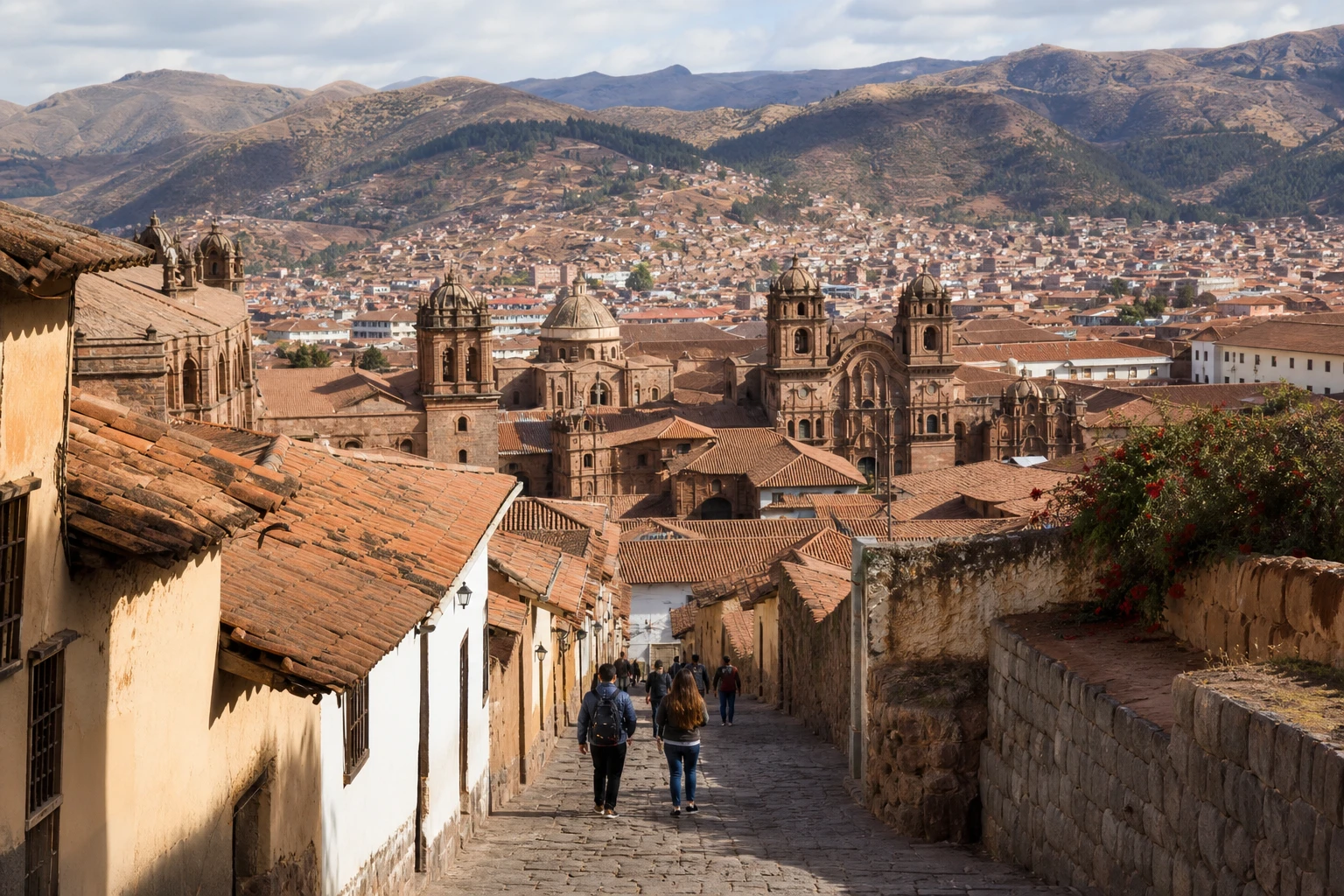
Cusco Fall Travel Guide
Here, fall means the North American travel window of September through November 2026. Plan Cusco by securing your flight and the parts of Machu Picchu planning governed by ticket availability, then leave useful breathing room around the rest of the itinerary.
Begin with the shape of the journey rather than a seasonal promise. The fall label alone does not predict daily conditions, so use current forecasts and operating notices close to departure. Build buffers around the dates and reservations that cannot easily move.
Key takeaways for a Cusco fall trip
- Treat September through November 2026 as your planning window, then make final packing and route choices using current conditions.
- Use Teniente FAP Alejandro Velasco Astete Airport as the main air-arrival reference, and check airline updates shortly before departure.
- Do not count on a same-day, last-minute Machu Picchu entry. The official in-person process is a next-day contingency.
- Build your budget from live quotes for your exact dates instead of relying on a fixed seasonal estimate.
- Stay clear of demonstrations, follow local developments, and keep remote VRAEM travel out of a standard Cusco itinerary.
Build the trip around fixed dates first
Start by deciding how many full days you have after arrival and before departure. Keep one date available for any ticketed priority, then shape city time and regional excursions around it. This order helps prevent a short Cusco trip from becoming a chain of tightly connected reservations.
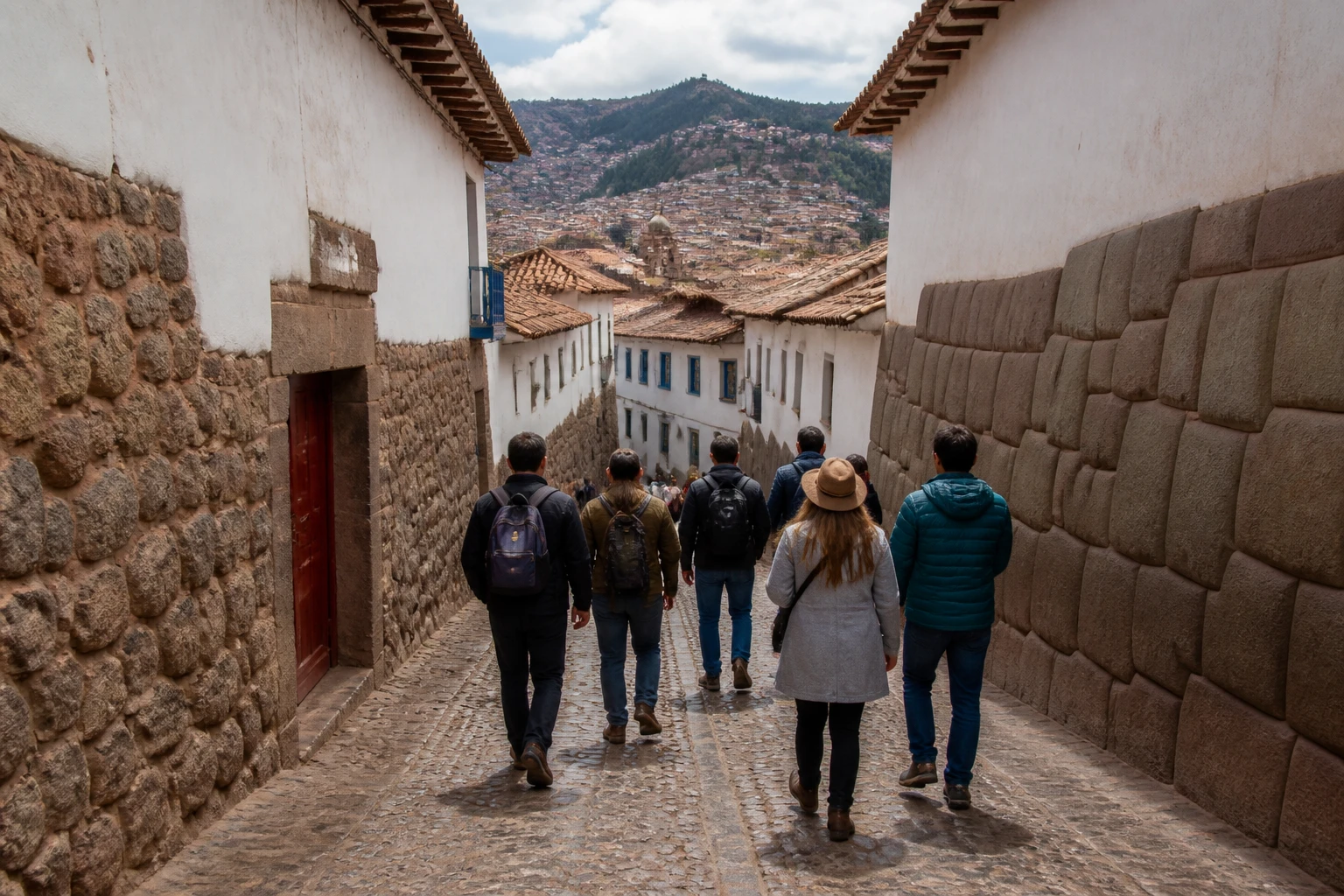
For a compact visit, the site's 3 Days in Cusco Itinerary is a useful planning framework for giving each day a clear purpose. Use it as a starting point, then adjust the sequence around your confirmed flight and Machu Picchu entry arrangements.
Give the Sacred Valley its own planning decision rather than treating it as spare time. The Sacred Valley Travel Guide From Cusco can help you decide where it fits in relation to Cusco-based days and any onward Machu Picchu plans.
A flexible half-day is valuable on a fall itinerary. It gives you room to absorb an airline update, a changed attraction notice, or a booking detail without having to dismantle the rest of the trip.
Fly into Cusco with a buffer after landing
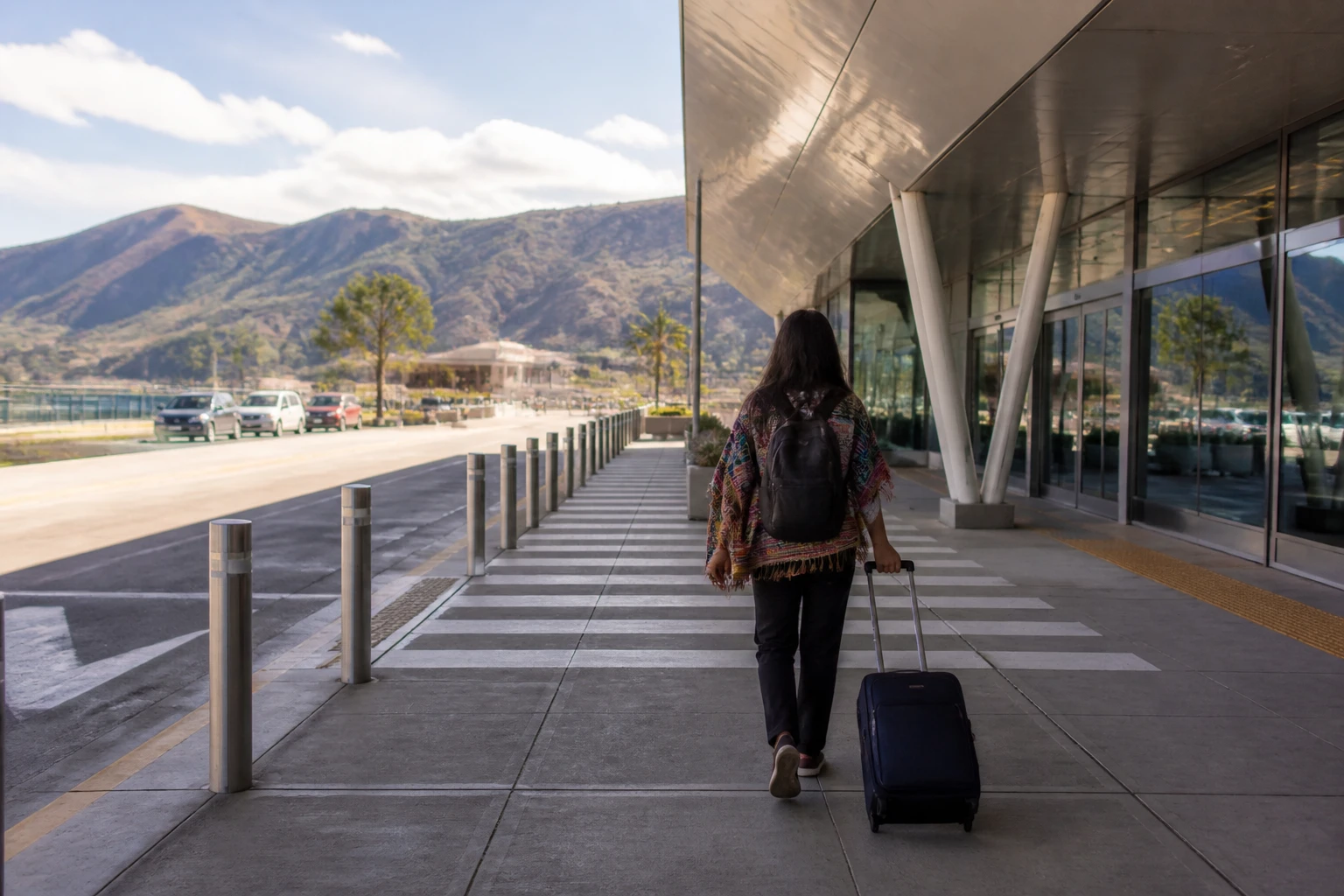
Teniente FAP Alejandro Velasco Astete Airport is listed in Peru's national airport directory as an international airport. Its published public-service hours are 5:00 a.m. to 11:00 p.m.; those hours are an airport reference, not a substitute for your airline's flight timetable.
A January 2026 transport ministry announcement described planned rehabilitation of the airport's passenger terminal, control tower, and related infrastructure. The announcement said the work would not affect flights, but live airline status and terminal conditions should still guide your fall departure-day decisions.
Avoid putting a tight onward sequence immediately after landing. Leave room before any fixed activity, especially one that depends on a specific admission date. This simple buffer makes the first day easier to manage if airline timing changes.
For the arrival-to-city portion, use the Cusco Airport to Historic Center Transportation Guide as a focused resource on getting from the airport to central Cusco. Keep your first day low-commitment; the guide Altitude in Cusco: How to Acclimatize Without Wasting Your Trip is useful for planning a gentler start.
Let current conditions guide fall packing and timing
Do not make final packing, route, or activity choices based solely on a generic September-to-November calendar. Check a short-range forecast and current notices for the places on your itinerary shortly before you leave, especially if a day depends on outdoor access or a fixed operating schedule.
Pack for the conditions actually forecast and for the activities you have booked. A flexible clothing system is easier to adjust than a suitcase built around a single assumed weather pattern. Keep essential items for your first day accessible rather than buried in checked baggage.
The practical goal is not to predict every day before arrival. It is to keep your schedule adaptable enough that a changed forecast or site notice does not force you to abandon the experience you most want to have.
Still comparing Day Trips?
Ask for tour ideas, hotel suggestions, or a simple trip plan that combines both.
Trip Helper
Make Machu Picchu ticketing the central booking decision
For dates you cannot move, settle your Machu Picchu admission plan before making it the centerpiece of the trip. The Ministry of Culture offers an in-person allocation of up to 1,000 tickets per day at the DDC Cusco ticket office in Machupicchu Pueblo, but availability is limited.

This in-person option is a fallback for flexible travelers, not a reliable same-day strategy. The purchaser must buy personally in Machupicchu Pueblo, and the ticket allows entry on the following day. That means an overnight delay is part of the plan, with sell-out risk still in play.
The tradeoff is straightforward. Last-minute ticketing preserves flexibility if you are already in Machupicchu Pueblo, but it can cost you a day and does not guarantee a place. It is a poor fit for an itinerary with only one nonnegotiable day remaining.
Once admission is organized, the Machu Picchu Day Trip From Cusco guide is a useful companion for shaping the day around that confirmed entry. Keep all ticket, transport, and lodging details together, then review the timing in your confirmations before committing other plans to the same date.
Budget from live quotes, not seasonal averages
A Cusco fall budget should be built from current prices for your exact travel dates and chosen providers. Avoid using a fixed total as a booking benchmark, because admission, transportation, lodging, and other trip costs need date-specific checking through the applicable operator or ticketing system.
- Air travel and baggage terms
- Airport and local transportation
- Lodging
- Admission and activity tickets
- Meals and a flexible contingency reserve
Price each category before you commit to the full sequence. This makes it easier to see where a flexible date, a different lodging choice, or a revised day plan would have the greatest effect on the total.
Read change and cancellation terms alongside the advertised amount. The lowest initial figure is not always the most useful option when a trip includes fixed admission, airline timing, or a limited number of days.
Choose lodging and access plans with your daily needs in mind
Choose your Cusco base after you know your arrival plan, daily priorities, and departure timing. Where to Stay in Cusco for First Timers is a helpful resource for comparing the questions that matter most when you are deciding where to make your base.
Travelers with accessibility needs should confirm the full journey directly with each accommodation, transportation provider, and visitor site before booking. Ask specifically about step-free routes, bathroom layout, mobility-device access, vehicle arrangements, and any assistance needed during transfers.
Do not assume that an airport, lodging property, vehicle, or visitor site has a particular accessibility feature. Share your requirements early, choose plans that clearly meet them, and leave enough time around transfers to avoid an unnecessarily rushed day.
Use current safety guidance and avoid demonstrations
The U.S. State Department currently lists Peru at Level 2, advising increased caution because of crime, civil unrest, and kidnapping risk. Cusco city and the nearby visitor areas of the Sacred Valley, Inca Trail, and Machu Picchu are not among the Cusco-area zones the advisory identifies as elevated risk.
Parts of the VRAEM within Cusco are listed as Do Not Travel. Keep remote regional travel separate from a standard visitor itinerary, avoid demonstrations, and monitor local developments while you are in Peru.
A good travel rhythm is simple: follow current local guidance, keep essential booking details available, and do not let a fixed plan pressure you into traveling through a disruption. Flexibility is a practical safety tool as well as an itinerary advantage.
A flexible three-to-five-day Cusco framework
Use this as a sequence of priorities rather than a fixed itinerary. The right order depends on your confirmed admission, airline schedule, and the current conditions during your September-to-November travel dates.
- Arrival day: keep transfers and first-day plans simple.
- First full day: focus on Cusco priorities and settle any remaining logistics.
- Machu Picchu day: use the date only when your admission plan is confirmed.
- Additional day: reserve it for the Sacred Valley or another priority that fits your itinerary.
- Final day: retain a buffer for departure, a shifted plan, or time in Cusco.
This framework gives fixed-date experiences the protection they need while preserving room for discovery. If you have only three days, reduce the number of major commitments instead of squeezing every priority into every morning and evening.
Make the next booking decision with confidence
A Cusco fall trip suits travelers who enjoy planning a few important anchors and leaving space between them. Its main limitation is that the fall label cannot guarantee daily conditions, and last-minute Machu Picchu ticketing does not create same-day entry. Start with exact dates, flight status, and Machu Picchu admission, then build your Cusco days around the plans that are already secure.
Frequently asked questions
What months does this guide mean by fall in Cusco?
This guide uses fall to mean September through November 2026. Check current forecasts and site notices near your travel dates before making final outdoor plans or packing decisions.
Can I buy a last-minute Machu Picchu ticket in person?
Yes, the Ministry of Culture offers up to 1,000 in-person tickets per day at the DDC Cusco ticket office in Machupicchu Pueblo. You must buy personally, the entry is for the following day, and availability is limited.
Which airport should I use for Cusco?
Use Teniente FAP Alejandro Velasco Astete Airport as the main air-arrival reference for Cusco. It is listed as an international airport, with published public-service hours of 5:00 a.m. to 11:00 p.m.; check your airline for live flight details.
How should I budget for a Cusco fall trip?
Build your budget from current, date-specific quotes for flights, lodging, transportation, admissions, and activities. Do not rely on a fixed seasonal total, since prices and booking terms depend on the providers and dates selected.
Is the standard Cusco tourist circuit included in the elevated-risk zones?
No. The U.S. State Department advisory does not identify Cusco city, the Sacred Valley, the Inca Trail, or Machu Picchu among its elevated-risk zones within Cusco, though Peru is listed at Level 2 overall and parts of the VRAEM are Do Not Travel.


