Cusco Packing List
What to pack for Cusco at a glance
A useful Cusco packing list starts with adaptable layers, a compact day setup, and a clear divide between city sightseeing and serious walking. Cusco is a high-altitude destination, so give yourself an easy first day rather than planning an immediate hard hike. The Andes rainy season runs from November through May and can disrupt transport and walking routes, making flexible packing especially valuable.
- Build outfits around warm layers, a lightweight waterproof shell, and sun protection rather than a single bulky coat.
- Keep prescription medication, documents, a charger, and a warm layer in your carry-on.
- Use comfortable walking shoes for city days, then add sturdy trail footwear only if your plans require it.
- Carry a low-profile daypack with water, snacks, local cash, and a power bank for long sightseeing days or delays.
- Pack valuables discreetly, with backup payment access and copies of key documents stored separately.
- For trekking, confirm your operator’s included gear and emergency arrangements before carrying duplicate equipment.
Think in modules. Your city module should be light enough for unhurried walks, museums, markets, and meals. Add a weather module for rain and cool delays, then a trekking module only for days that genuinely call for it. This approach keeps a suitcase manageable while ensuring the essentials are close at hand when plans shift.

Cusco: Cultural & Historic Walking Tour with Local Drinks
Join an expertly guided journey through Cusco’s fascinating history, magnificent architecture, and enduring traditions with this immersive tour. Exp...

Walking Tour Game
Cusco, former capital of the Incas, who inspired and amazed so many travelers and explorers before you. Are you read...

Walking City Tour in Cuzco
Visit the ancient capital of the Incas on a 4-hour hike through historic Inca and Spanish streets. The picturesque n...

Cusco Market San Pedro and Miradors Walking Tour
Cuzco, the heart of the ancient Inca Empire, awaits you. This walking tour takes you through the historic and vibran...
The core Cusco packing list for every trip
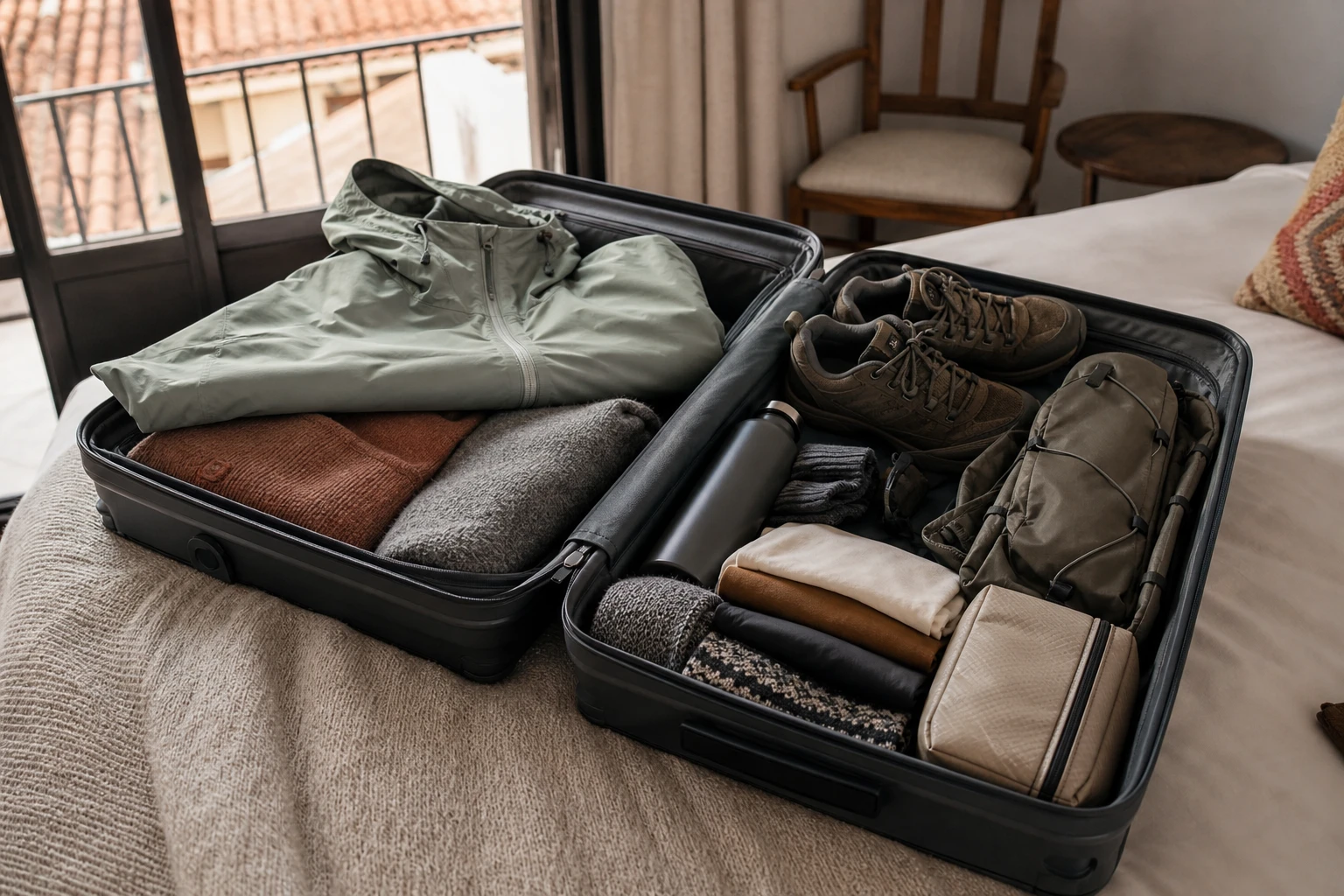
Start with a small capsule wardrobe that can be layered, reworn, and packed without fuss. Choose pieces that work for a relaxed day in town and can also sit comfortably under a waterproof outer layer. Neutral, easy-care clothing keeps decisions simple when you are moving between hotels, day trips, and transport connections.
Clothes for flexible layers
Bring a warm mid-layer and a compact waterproof shell in every season. During the November-to-May rainy season, rain can affect roads, flights, rail travel, tourist sites, and walking routes across the Andes. Outside that window, a lightweight waterproof layer remains useful insurance, but it should complement, not replace, warm clothing.
- Two or three breathable tops, including at least one long-sleeved option
- A warm fleece, sweater, or other insulating mid-layer
- A lightweight waterproof shell with a hood
- Comfortable trousers or leggings that allow easy movement
- One smarter casual outfit for restaurants or evenings out
- Sleepwear and enough underwear and socks for your laundry plan
- A brimmed hat, sunglasses, and sunscreen
- A compact scarf, buff, or neck warmer for extra versatility
Footwear that matches the itinerary
For a city-focused visit, take a broken-in pair of cushioned walking shoes and a second lightweight pair for downtime. Add sturdy walking or hiking footwear only for planned trails or demanding excursions. Hiking and climbing injuries are common in Peru, and help can take hours or days to reach remote areas, so good traction and a familiar fit matter more than buying a heavy boot at the last minute.
- Comfortable, broken-in walking shoes for everyday use
- Sturdy trail footwear for hikes and trekking itineraries
- Several pairs of comfortable socks, with extras for wet or long walking days
- Simple blister supplies and foot care items
- Lightweight sandals or slip-ons for hotel downtime
Small items that earn their place
A few compact accessories make the whole system work better: packing cubes for separating clean and worn clothing, a reusable laundry bag, a small umbrella if you prefer one to wearing a shell, and weather-resistant pouches for electronics and papers. Add a universal travel adapter if it is relevant to your devices, plus cables that can charge from a power bank.
Pack with altitude and health in mind
Altitude deserves room in the plan before it deserves extra gadgets in the bag. Recognize altitude-sickness symptoms, keep the first day low exertion, and speak with a clinician before travel if you have a pre-existing condition. The Altitude Acclimatization Cusco guide is useful for shaping a gentler arrival-day schedule around this packing list.
Health kit essentials
- Prescription medicines in their original packaging, with prescription details available
- Personal first-aid supplies and any clinician-recommended items
- Oral-rehydration or gastrointestinal supplies that you personally use
- Hand sanitizer and tissues
- Sunscreen and lip balm
- A clearly labelled refillable bottle or your preferred water-treatment strategy, if it suits the trip
Do not treat any single product as a universal answer to altitude. A sensible plan combines a measured first day, hydration, appropriate layers, and attention to how you feel. Put medicines and essential personal supplies in carry-on luggage, where they remain available if checked bags are delayed.
Water and food planning
Tap water is not potable in many parts of Peru, and ice can be made with tap water. Carry a bottle that is easy to refill through your chosen safe-water approach, and bring a few familiar snacks for long travel days or an unsettled stomach. This is a practical backup, not a reason to overload your bag with supplies for the entire trip.
Use a secure, light daypack for city days
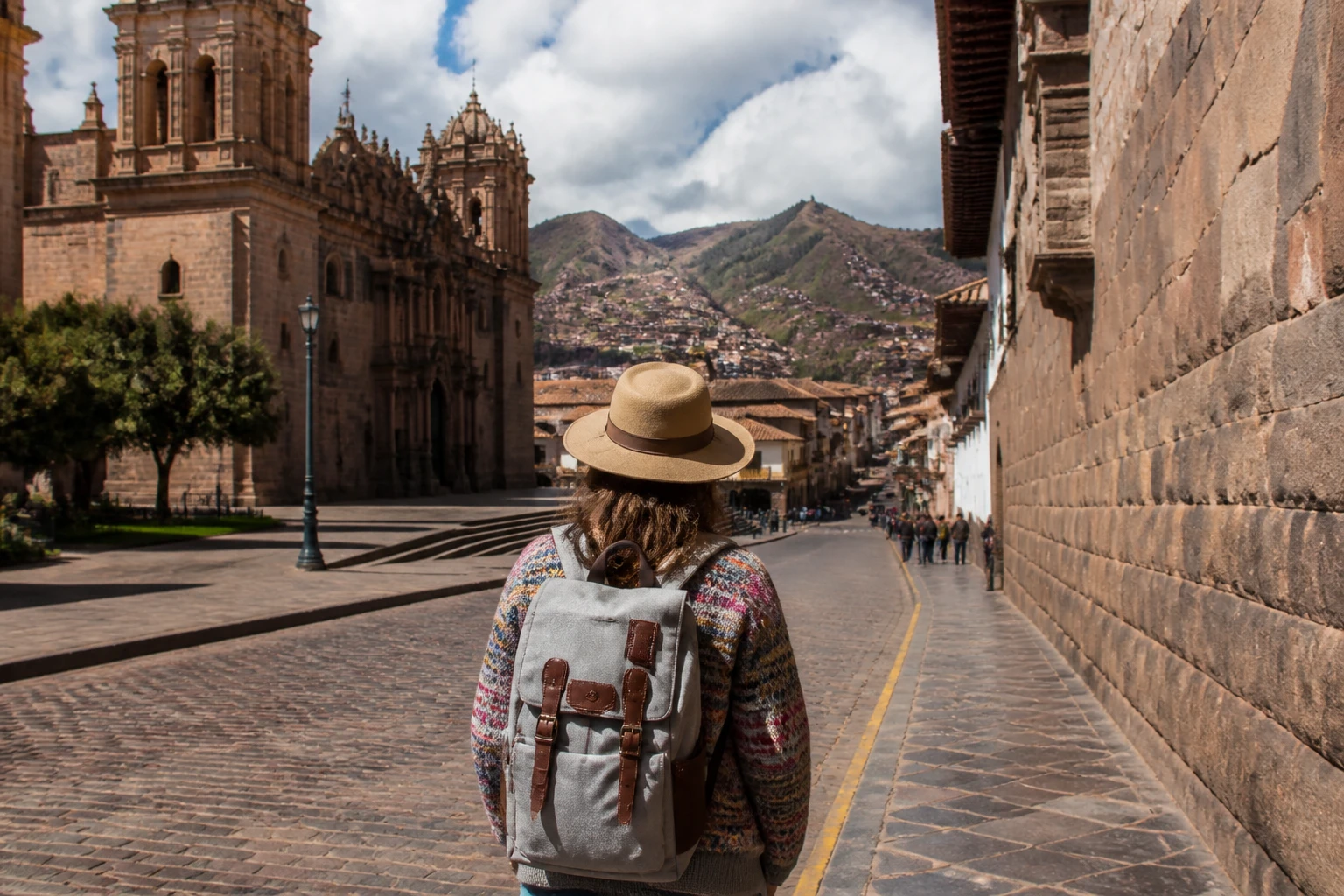
Keep your day setup discreet and easy to manage. Crime can occur in daylight in Peru and risk increases at night, so there is little benefit in displaying expensive devices, thick wallets, or large amounts of cash. A secure cross-body bag, a close-fitting daypack, or under-clothing storage for backup documents helps you carry less visibly without turning sightseeing into a security drill.
For an easy first-day orientation, use the Cusco Walking Tours Guide to shape short city walks instead of carrying a full hiking load. Take only what you need for the day, leave excess valuables secured at your accommodation, and keep a separate backup card or payment method out of immediate reach.
Still comparing Walking Tours?
Ask for tour ideas, hotel suggestions, or a simple trip plan that combines both.
Trip Helper
What to carry each day
- Phone, charging cable, and compact power bank
- Water and a small snack
- Waterproof shell and a warm layer
- Sunscreen, sunglasses, and a hat
- Small amount of local currency plus a payment card
- Passport copy and key booking details stored securely
- Tissues, hand sanitizer, and personal medication
Before booking, check the entry and document requirements that apply to your nationality through official Peruvian and U.S. sources. Passport-validity expectations can be nationality-specific, so it is best to treat document checks as a pre-trip task rather than relying on a rule written for travelers from another country.
Add a day-trip module for the Sacred Valley and Machu Picchu
Day trips call for a little more self-sufficiency than a morning in town. Add a larger water capacity, snacks, rain protection, warm layers, sun protection, a power bank, and all tickets or identification required for that day. Keep these items in your personal bag rather than relying on checked luggage or a suitcase left at a hotel.
The Sacred Valley Travel Guide From Cusco and the Machu Picchu Tickets and Circuits Guide can help you identify the logistics that affect what belongs in this module. Build extra slack into rail, road, and airport connections. Demonstrations can disrupt roads, trains, public transport links, and airport access with little warning, so check conditions with transport providers and operators close to departure.
- Day-specific tickets and identification kept in a weather-protected pouch
- Warm layer and waterproof shell
- Water, snacks, and any personal medication
- Phone, power bank, and charging cable
- Local cash and a backup payment method
- Small packable tote for an extra layer or purchases
The U.S. advisory’s named affected high-risk area does not include Cusco city, the Sacred Valley, the Inca Trail, or Machu Picchu. Broader transport disruptions can still affect travel across Peru, which is why a compact carry-on setup and a flexible connection plan are more useful than packing a larger suitcase.
Build a separate kit for trekking and high-walking days
Treat a trek-capable packing list as a different category from a city checklist. Remote hiking areas can have limited phone or internet access, and emergency responders can take hours or days to arrive. The extra weight of trail-ready equipment is worthwhile when it improves warmth, footing, navigation, and personal self-sufficiency.
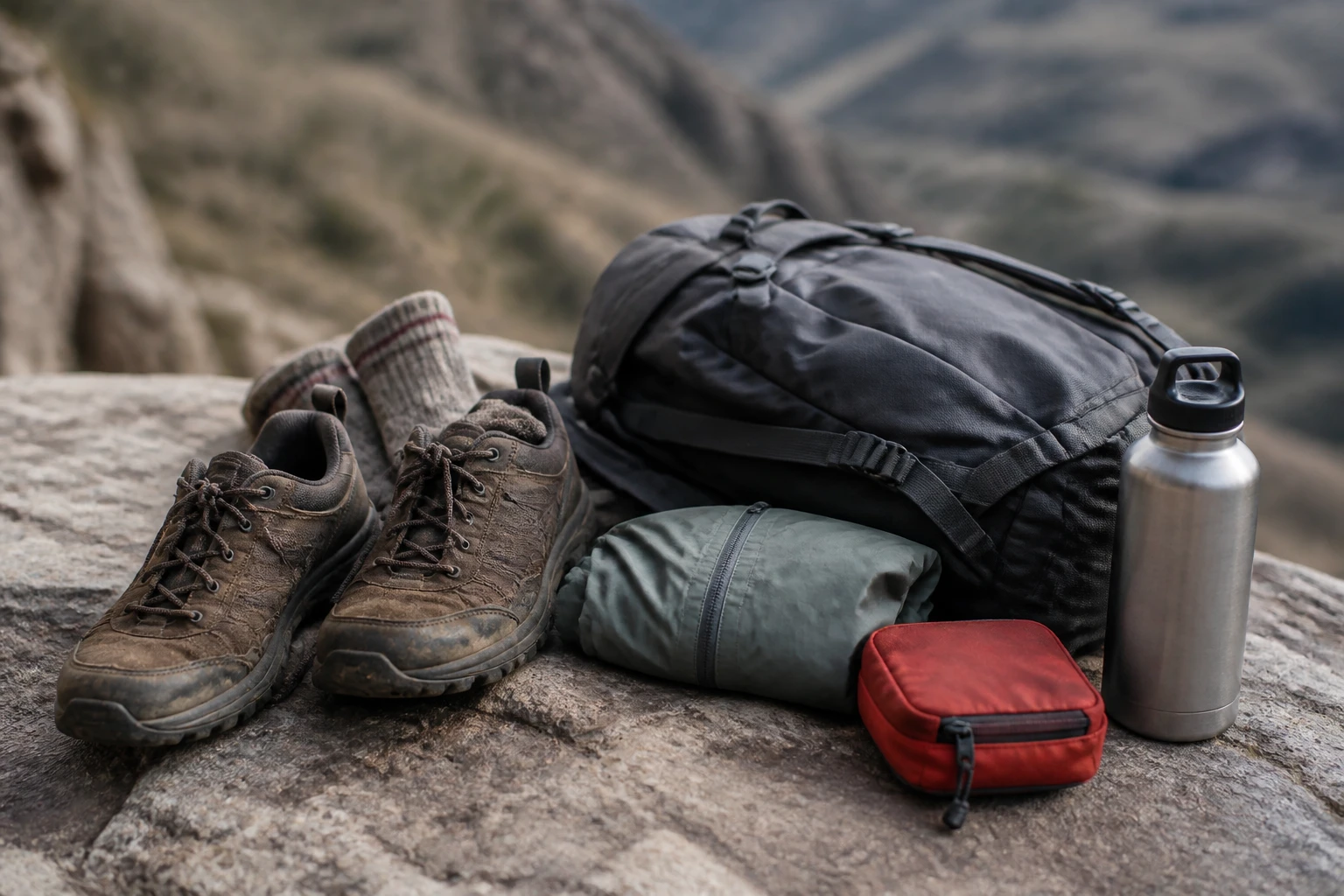
If a demanding excursion is on your itinerary, compare this list with the route notes in the Rainbow Mountain Day Trip From Cusco guide before finalizing footwear and layers. Keep the kit proportional to the route, season, operator requirements, and your own experience rather than bringing every outdoor item you own.
Trek-ready essentials
- Sturdy, broken-in trail footwear and suitable socks
- Layered clothing, including insulation and weather protection
- A comfortable small backpack with a rain cover or dry bags
- Water and snacks appropriate to the planned duration
- Basic first-aid and blister supplies
- Headlamp or compact light, with spare power where useful
- Navigation and communication backup appropriate to the route
- Personal medication, identification, and emergency contact details
Confirm what a tour operator already provides
Use qualified, licensed operators for tourist-company services. Before buying or packing extra gear, confirm what is included, the luggage-transfer policy, emergency plan, and any mandatory footwear or clothing. This prevents needless duplication and ensures that the items you personally carry cover the gaps that matter on the route.
Travel insurance is especially worth considering for remote trekking. Overseas medical care and medical evacuation can be expensive, and U.S. Medicare and Medicaid do not apply overseas. Review the policy’s activity coverage and medical-evacuation terms before relying on it for a high-walking itinerary.
Keep critical items in your carry-on
Weather-related disruption and demonstrations can affect routes and connections, so pack for an unexpected delay without carrying a survival store. Your personal bag should contain enough essentials to stay warm, hydrated, connected, and organized while transport plans are being rearranged. Keep it ready to lift, close, and carry comfortably.
- Passport, travel documents, and essential booking information
- Prescription medication and basic personal-care items
- Phone, charger, power bank, and travel adapter if needed
- Warm layer and compact waterproof shell
- Water, snacks, and some local currency
- A change of underwear and socks
- Copies of important documents stored separately from the originals
If your schedule depends on Machu Picchu Train Routes or a tightly timed flight connection, resist the urge to place tickets, medicine, chargers, and one warm layer in checked luggage. Leave enough time around major connections to absorb changes without having to replace critical items en route.
Adjust the list for the season without chasing weather averages
Use a current forecast shortly before departure, then adjust the same basic system rather than rebuilding the whole suitcase. The goal is simple: keep rain protection accessible, retain a warm layer, and avoid letting a favorable forecast persuade you to separate essentials from your daypack.
| Travel timing | Packing emphasis | Practical reason |
|---|---|---|
| November through May | Keep a waterproof shell and weather-protected pouch near the top of your bag. | The Andes rainy season can disrupt roads, flights, rail travel, tourist sites, and walking routes. |
| Outside the November-to-May rainy season | Retain a compact waterproof contingency and layered warm clothing. | A flexible setup is more useful than relying on a single weather pattern. |
| Any time of year | Carry vital documents, medication, water, some cash, and a warm layer with you. | Delays and transport disruption can require a short-notice change of plan. |
Accessibility and assistance: plan the details in advance
Do not assume that airport, hotel, rail, vehicle, or historic-site access will meet a particular mobility need. Request assistance directly from the airline, airport, hotel, rail operator, and booked tour operator before travel, then keep written confirmation with your booking details. Pack medication, mobility-related essentials, chargers, and spare supplies in your personal bag rather than checked luggage.
A final Cusco packing check before you leave
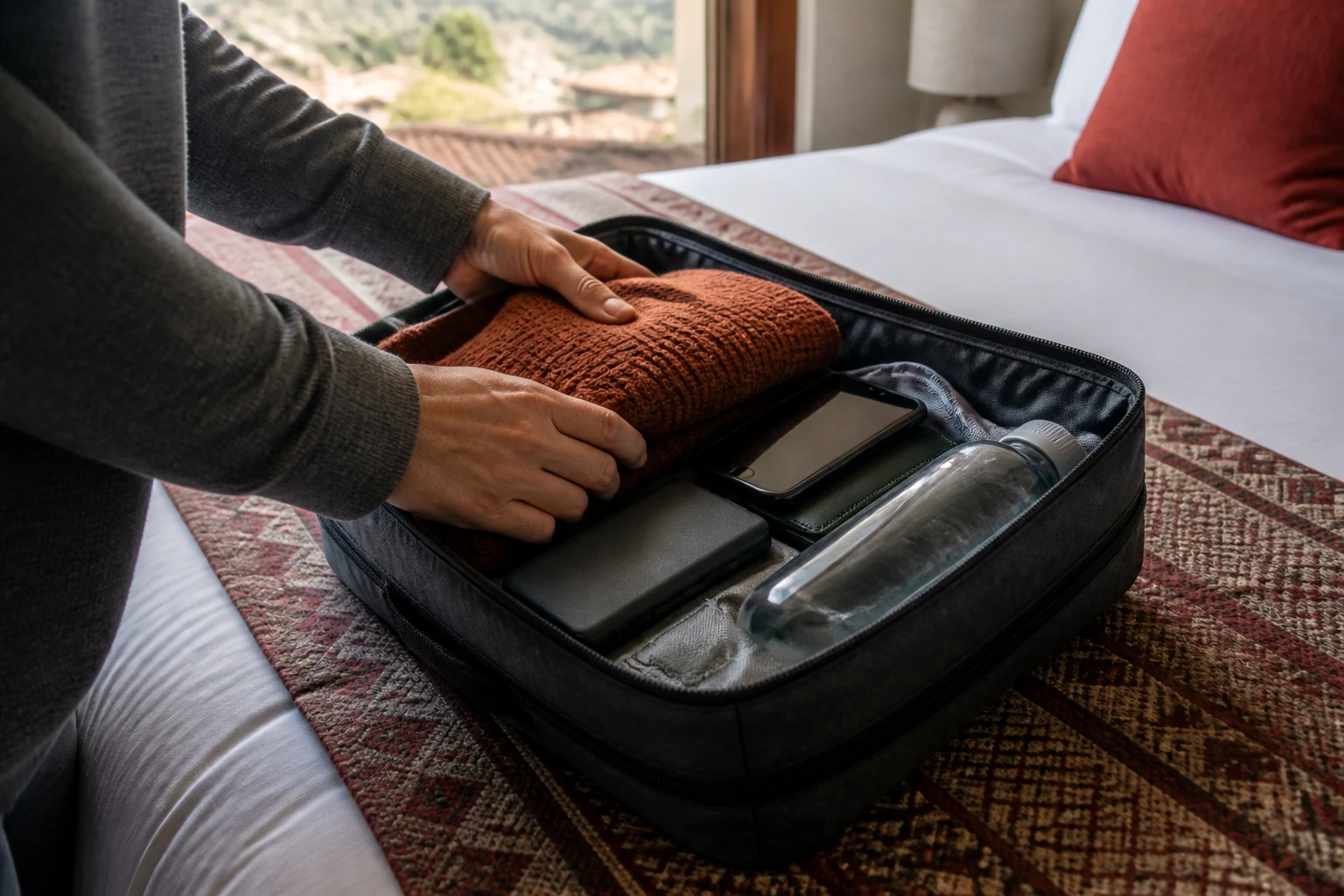
- Lay out your city layers, waterproof shell, and walking shoes, then remove duplicate clothing that does not fit the plan.
- Move prescriptions, documents, money backups, electronics, and one warm layer into your carry-on.
- Separate city-day items from trek-only equipment so you do not carry unnecessary weight every day.
- Check your operator’s gear inclusions and requirements for each hiking or touring day.
- Review current weather, transport, and local conditions shortly before departure, especially ahead of rail or flight connections.
Pack for flexible days, not a fixed forecast
The best Cusco packing list is compact, layered, and ready to adapt. Prioritize a gentle altitude-aware arrival, secure carry-on essentials, and comfortable footwear that matches the actual itinerary. Add the dedicated trekking kit only when needed, leave room for changing plans, and you will be better prepared for city days, scenic routes, and onward connections alike.
Frequently asked questions
What clothes should I pack for Cusco?
Pack flexible layers: breathable tops, a warm mid-layer, a compact waterproof shell, comfortable trousers, and broken-in walking shoes. The Andes rainy season runs from November through May, but a lightweight waterproof layer is useful throughout the year.
Do I need hiking boots in Cusco?
Bring sturdy hiking footwear if you have planned treks or demanding walking excursions; otherwise, comfortable, broken-in walking shoes are usually the better city choice. Remote hiking areas require greater self-sufficiency because injuries are common and help can take time to arrive.
What medical items should I bring to Cusco?
Bring prescription medicine in its original packaging, along with personal first-aid, hydration, and gastrointestinal supplies that suit your needs. Plan a low-exertion first day and speak with a clinician before travel if you have a pre-existing condition affected by altitude.
Can I drink tap water in Cusco?
Do not assume tap water is potable. Tap water is not potable in many parts of Peru, and ice can be made with tap water, so use a refillable bottle with your preferred safe-water strategy.
Should I put important items in checked luggage?
No. Keep medication, documents, chargers, water, local cash, a warm layer, and other essentials in your carry-on in case weather or transport disruption delays your checked bag or changes your connection.
Do I need a waterproof jacket for Cusco?
Yes, a compact waterproof shell is a sensible item for every trip. It is particularly important during the November-to-May rainy season, when rain can disrupt transport and walking routes across the Andes.
Experiences to explore
 Explore experience ↗
Machu Picchu Trips One Day Tour with Inca Rail Train from Cusco
◷ 2 hr–3 hr
Step back in time and discover the world of the Incas at Machu Picchu, the legendary “Lost City of the Incas.” This tour is ideal for t
See dates for Current pricing
View dates