
Reading the Stones: A Short Walk Down Hatunrumiyoc
The famous twelve-angled stone is just the start. A 25-minute walking route through the best Inca masonry still standing in the city centre.
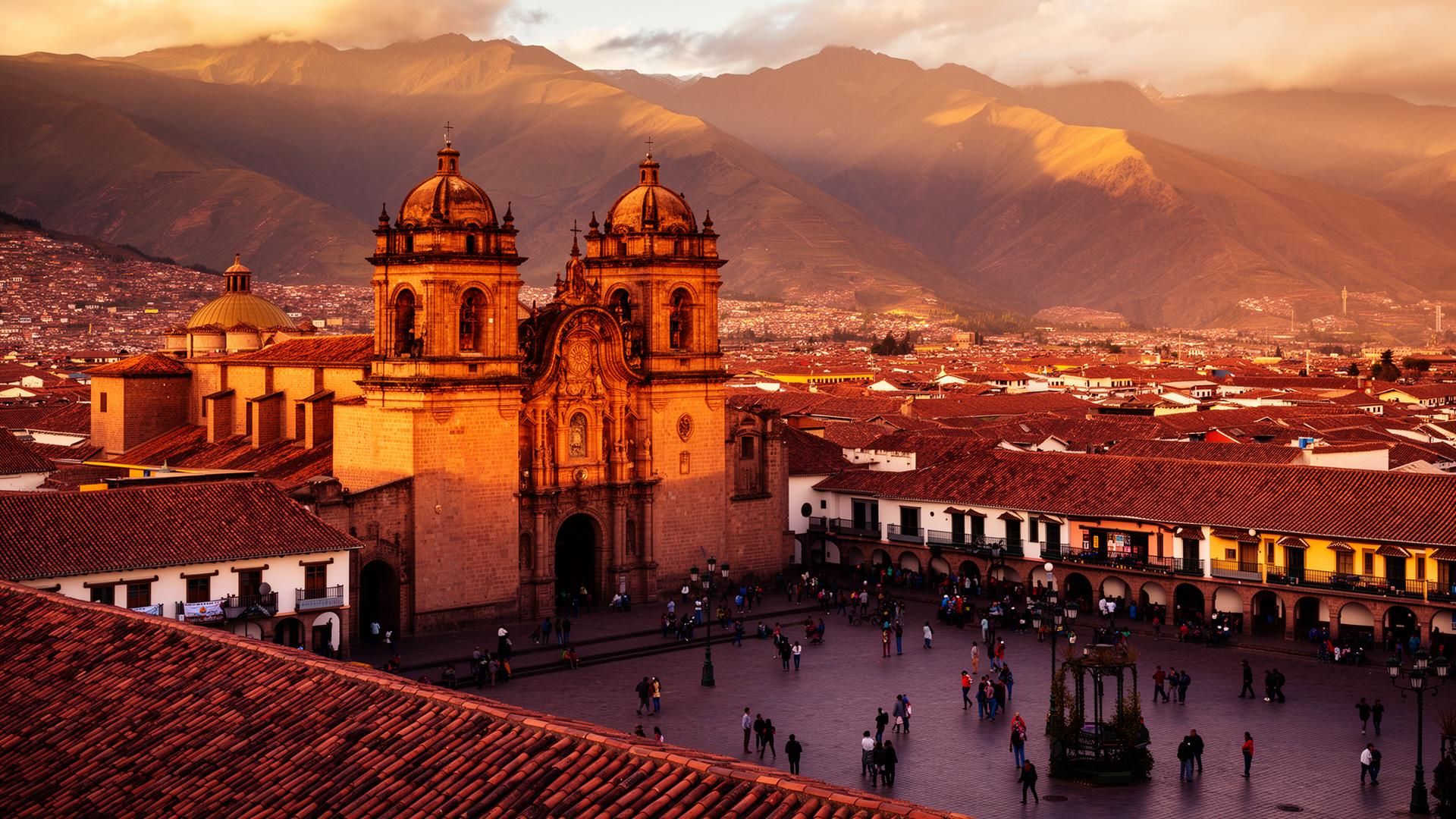
The Twelve-Angled Stone is one small block in one long wall, yet it has become one of Cusco’s most recognisable details. The pleasure of visiting it comes from the approach: leaving Plaza de Armas, entering the narrow lanes of the historic centre, noticing how Inca stonework supports later colonial buildings, and continuing uphill toward San Blas.
This self-guided walk takes about 25 to 40 minutes without long stops. Allow an hour or more if you want to photograph the masonry, browse galleries, or pause in San Blas. The central route is short, free, and easy to combine with other sights, but cobblestones and slopes can be tiring at altitude.

Machu Picchu Full-Day Tour from Cusco by Panoramic Train
Machu Picchu, a UNESCO World Heritage Site, is considered one of the world's most remarkable destinations and a must-visit attraction in Peru. Spend a...

Machu Picchu Day Trip from Cusco
Local experts for an easy way to visit Machu Picchu with a special cancellation poliy, all details are arranged: tic...

Machu Picchu Private Day Trip from Cusco
This private Machu Picchu day trip is ideal for travelers seeking a seamless, stress free experience. With guarantee...

Machu Picchu Official Ticket Circuit 2, Bus & Private Guide
Discover Machu Picchu, one of the New Seven Wonders of the World and the most iconic Inca citadel, on a private tour...
The walking route
- Start at Plaza de Armas. Stand on the Cathedral side and orient yourself toward Calle Triunfo.
- Walk along Calle Triunfo. The lane narrows as it leaves the plaza area and becomes Hatun Rumiyoc.
- Find the stone in the wall. It sits within the former palace wall beside the Archbishop’s Palace. A small group usually marks the spot.
- Continue toward San Blas. Follow the street uphill for workshops, small galleries, and the neighbourhood plaza.
- Return gently. Walk downhill by a parallel lane or continue your wider San Blas route rather than retracing every step.
What makes the stone remarkable
The stone is famous for its twelve-sided outline and the tight joints that connect it to the surrounding masonry. It belongs to a much larger wall associated with Inca Cusco and traditionally identified with the palace of Inca Roca. Its importance is not that it was a mysterious isolated object. It shows how individual stones were shaped as part of a resilient, carefully fitted system.
Look beyond the twelve corners. Notice the varied block sizes, the slight inward lean of the wall, and the way later construction rises above the Inca base. Cusco’s architecture is layered, and this street makes those layers unusually visible.
How to visit respectfully
Do not touch, lean on, scratch, or wedge objects into the masonry. The wall is cultural heritage, not a photo prop. Keep the lane passable for residents and other visitors, and avoid blocking doorways while composing a picture. A quick photograph from a respectful distance is enough.
Street vendors and people offering explanations may be nearby. A guide can add context, but agree on the service and price before beginning. Do not assume anyone in traditional clothing is available for free photography; ask permission and clarify any expected payment.
Best time for the walk
Early morning gives you the quietest lane and softer light. Late afternoon can also be atmospheric, especially if you continue into San Blas, but the corridor may be busy. Midday sun creates strong contrast on the wall, and tour groups can make close viewing difficult.
The stone is on a public street and does not require an admission ticket. Museums, churches, and other attractions along a longer route may charge separately or keep limited hours.
Extend the walk into San Blas
After the stone, continue uphill toward Cuesta de San Blas. The climb is short but noticeable at 3,400 metres. Stop when you need to, keep water handy, and use a taxi uphill if you are still acclimatizing. Our San Blas guide covers the neighbourhood’s lanes, viewpoints, workshops, and practical walking advice.
If you prefer a heritage-focused route, return toward Plaza de Armas and continue to Qorikancha. The Qorikancha guide explains another powerful example of Inca stonework incorporated into a colonial religious complex.
Accessibility and street conditions
The historic centre has uneven paving, narrow sidewalks, vehicle traffic, and sloping lanes. Wheelchair users and travellers with limited mobility may find this specific route difficult without assistance. A vehicle can reach nearby streets, but curb conditions and pedestrian space remain inconsistent. Shoes with grip are more useful than dress shoes, especially after rain.
A simple half-day pairing
- Begin with Plaza de Armas before the centre becomes crowded.
- Walk to the Twelve-Angled Stone and spend time reading the entire wall.
- Continue to San Blas for a cafe, gallery, or market stop.
- Return downhill for lunch and keep the afternoon flexible.
For a broader first look at the city, place this walk inside our complete Cusco travel guide. The Twelve-Angled Stone takes only a few minutes to see, but the route around it reveals why Cusco is best understood on foot and at an unhurried pace.

Machu Picchu Day Trip from Cusco: Full-Day Guided Tour
Our Day trip to Machu Picchu from Cusco is a beautiful way to see one of the World's New Seven Wonders. Happy Gringo...

Sacred Valley Full-Day Private Tour from Urubamba & Ollantaytambo
Explore the best and most unique sites of the Sacred Valley on a leisurely full-day tour with a local guide. This pr...

Machu Picchu Full-Day Tour from Cusco with Panoramic Train
Enjoy a Small Day trip to Machu picchu with us If you’re short on time, this experience is the best option and wel...
Machu Picchu Full-Day Tour from Cusco with Panoramic Train
Enjoy a Small Day trip to Machu picchu with us If you’re short on time, this experience is the best option and well worth it, Machu Picchu is what m...

Full-Day Machu Picchu Tour from Cusco by Train
A wonderful stay in the citadel of the Incas Machupicchu, a tour full of magic and dreams, our work and tourism team...

Machu Picchu Circuit 2 Entrance Ticket with Guided Tour
Explore the wonders of Machu Picchu via the official Circuit 2 route, known for its stunning views and historical si...

2-Day Sacred Valley and Machu Picchu Tour from Cusco by Train
Embark on an extraordinary adventure, visiting the most important Ruins of the Inca Empire in just two days, with ou...
Keep exploring
Related Guides

Cusco on a Budget Travel Guide
Plan a budget-friendly Cusco trip with practical Tourist Ticket advice, flexible Sacred Valley timing, cost-control strategies, and essential safety…
Read guide →
Inca Trail to Machu Picchu Guide
Plan the classic Inca Trail to Machu Picchu with practical guidance on permits, the Km 82 route, timing, published…
Read guide →
Cusco Travel Tips for First Timers
Plan a smoother first trip to Cusco with practical advice on Machu Picchu tickets, itinerary timing, safety, budgets, arrival…
Read guide →