Cusco Street Food Guide
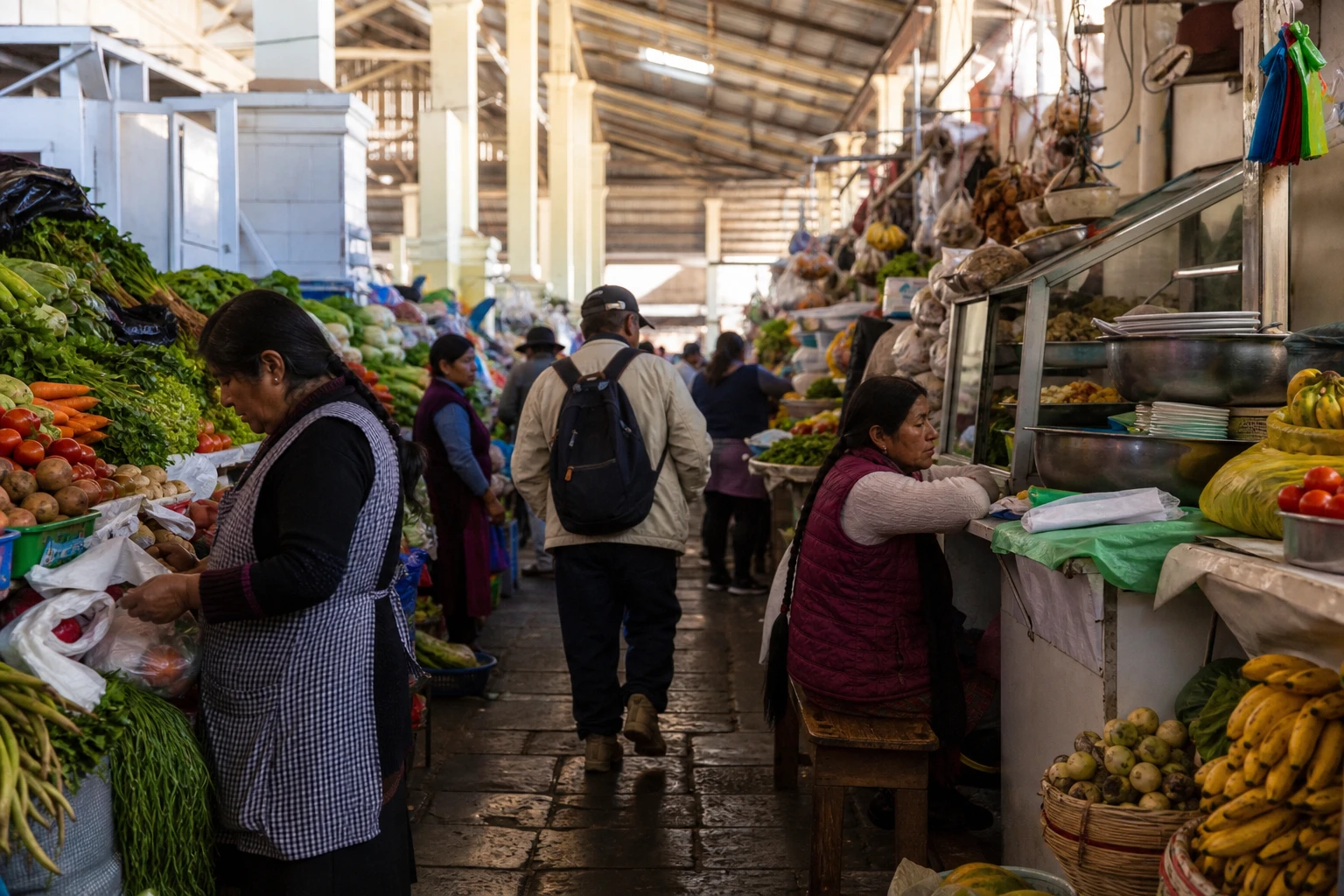
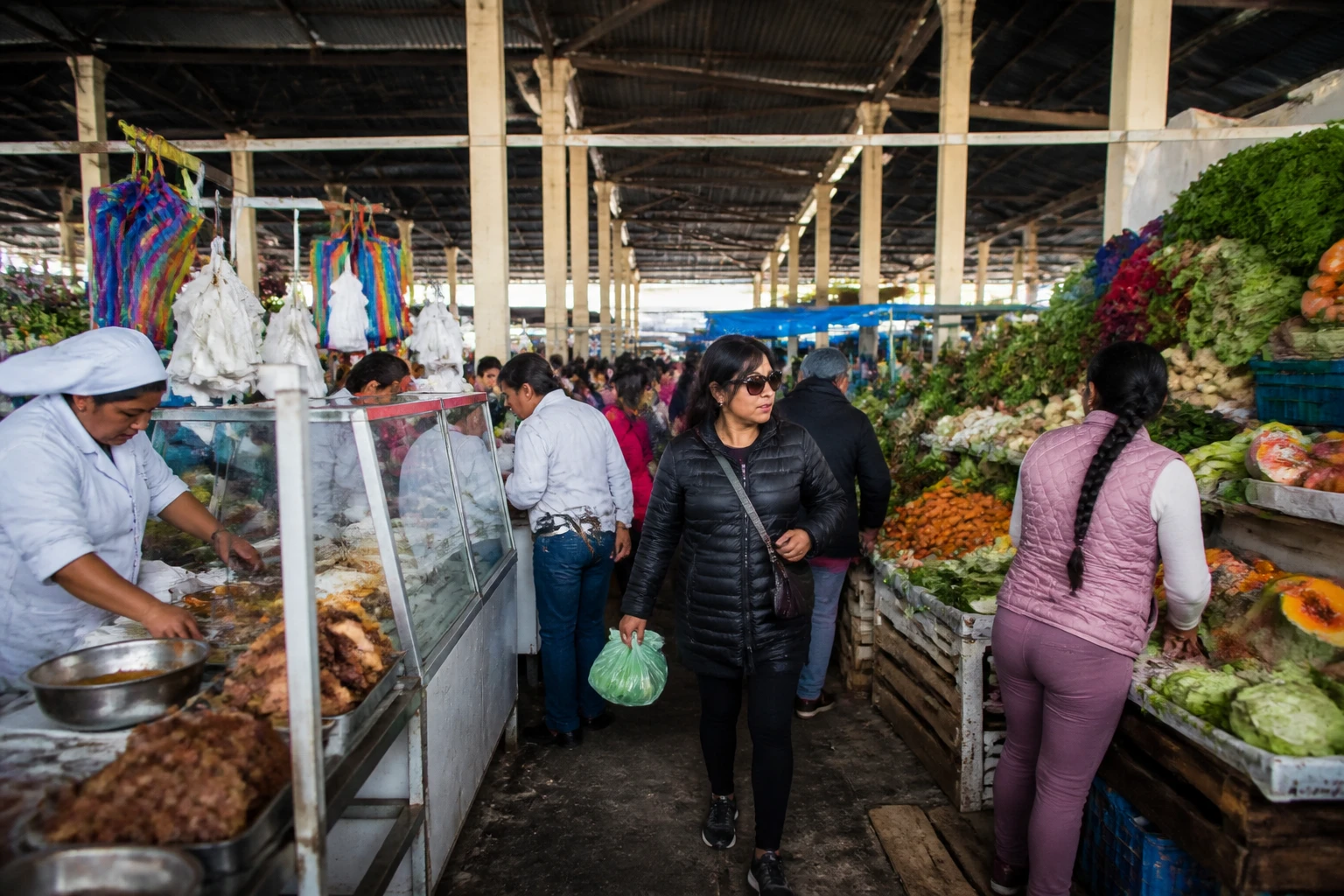
Cusco street food is best approached as a market-led meal rather than a hunt for one famous cart. Mercado Central de San Pedro gives travelers a practical place to begin, with food counters, juices, quick breakfasts, and lunch options gathered in one culturally significant market. The goal is simple: eat well, spend modestly, and choose your counter with care.
Start with a smart street-food plan
San Pedro Market offers value and a local-market atmosphere, but it calls for more judgment than a conventional restaurant. Use reported prices and timings as loose planning tools, not fixed promises. Individual stalls, menus, payment options, sanitation conditions, and vending permissions can vary.

Peruvian Cooking Class Cocktails and Market Tour in Cusco
You will cook 3 Peruvian courses and 2 cocktails. Our Peruvian Cooking, cocktails and market tour starts at San Pedro Market (door number 1), with a v...
- Make San Pedro Market your first stop for Cusco street food, especially if you want several choices in one place.
- Aim around reported breakfast demand of 7 to 9 a.m. or lunch demand of noon to 2 p.m., then confirm the market is operating when you arrive.
- Carry small-denomination soles. Visitor reports describe many market stalls as cash-only.
- Choose a busy counter, order food cooked to order, and skip dishes that have been sitting out.
- Treat reported prices as approximate. Ask the cost and what is included before ordering.
- Do not assume every curbside vendor has the same authorization or sanitation standards as an established market counter.
Make San Pedro Market your first food stop
Mercado Central de San Pedro is Cusco’s strongest documented anchor for a food-focused visit. Peru’s Ministry of Culture has declared the market Patrimonio Cultural de la Nación, or National Cultural Heritage. That designation makes the market more than a convenient meal stop: it is a meaningful part of the city’s everyday commercial and food culture.
For orientation, visitor planning information places the market on Calle Santa Clara, roughly one block west of Plaza de Armas. It is close enough to work into a central Cusco walk without turning lunch into a major expedition. Check locally for the entrance and active food areas on the day, since the market’s working rhythm can change.
Give yourself time for one full circuit before deciding. A concise San Pedro Market Guide is useful for understanding the market’s broader layout, while this street-food guide focuses on making a sensible meal choice once you are in front of the counters.
What to look for at the food counters
The most useful market-specific choices documented in visitor planning reports are caldo de gallina, anticuchos, set lunches, and juices. Think of these as useful signposts for your walk through the market rather than a promise that every counter will have every item. Ask what is ready, watch how quickly meals are moving, and settle on a stall only after you have compared a few options.
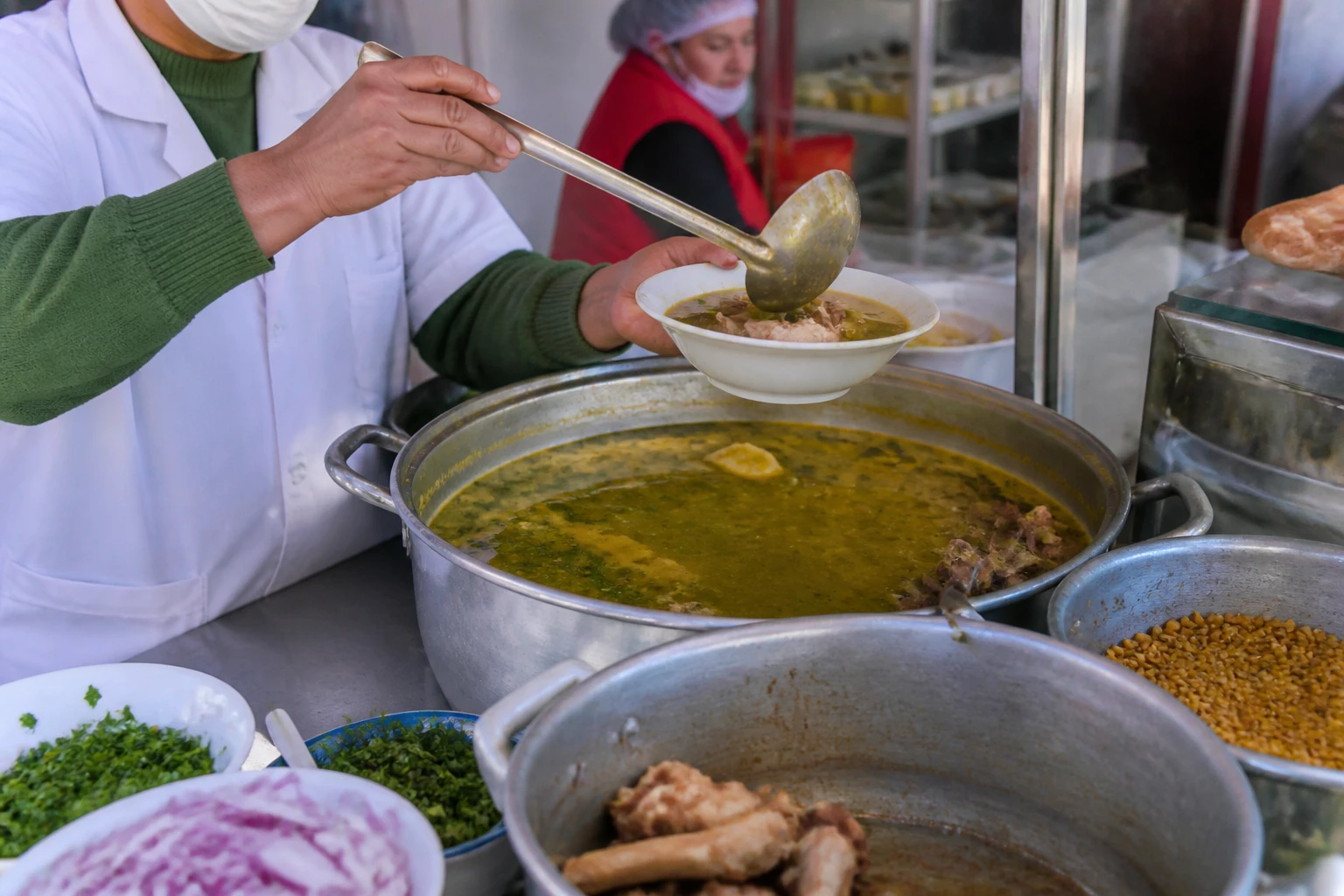
Caldo de gallina for a hot breakfast or meal
Caldo de gallina is among the dishes reported at San Pedro and is a practical option when you want a hot, filling order. Ask the vendor for the price before sitting down and look at how the dish is being prepared and served. A counter with a steady flow of customers gives you more confidence that food is turning over regularly.
Anticuchos when you want a freshly prepared order
Anticuchos are also included in reported San Pedro price guidance. If they appeal, order directly from a counter where preparation is active and the dish is made for you. This approach is more useful than choosing solely by the lowest listed price or by a quick glance from the aisle.
Set lunches for a straightforward midday meal
A set lunch is the clearest choice for travelers who want one decision rather than several snacks. Before ordering, ask “¿Qué incluye?” or “What is included?” and confirm the total price. This small pause helps you compare portions and extras between neighboring counters without making assumptions about the day’s menu.

Machu Picchu Tour Full Day by Train
Experience the awe-inspiring Inca ruins of Machu Picchu, known as one of the New 7 Wonders of the modern world, on a...

Machu Picchu: Private Tour Guide Service (2–3 Hours)
Spend an unforgettable visit to Machu Picchu with your own private local guide. Meet in Aguas Calientes (hotel or tr...

5 Day Salkantay Trek to Machu Picchu with Panoramic Domes
The Salkantay Trek to Machu Picchu is an unforgettable journey through high Andean mountains, turquoise lakes, cloud...
Juice as an inexpensive add-on
Visitor reports place juice among San Pedro’s lowest-cost purchases. It can be an easy add-on to breakfast or lunch, but choose the counter with the same care you would use for a full meal. Confirm the price first, keep your small cash handy, and choose a vendor whose service looks active and orderly.
The best market meal often comes from resisting the urge to order at the first counter you see. Walk once, notice where customers are being served continuously, then return to the stall that feels right. This gives you a clearer view of the available choices and lets you prioritize fresh preparation over speed alone.
Budget, cash, and the best times to go
San Pedro can suit a modest food budget. The figures below are reported visitor-planning estimates rather than official tariffs, so use them to frame your spending and check the price before each order. Costs can change with the item, portion, counter, and day.
| Item | Reported planning estimate |
|---|---|
| Juice | S/2 to S/3 |
| Caldo de gallina or anticuchos | S/5 to S/8 |
| Set lunch | S/8 to S/12 |
| Items across the market | About S/2 to S/25 |
Breakfast demand is reported around 7 to 9 a.m., while the midday rush is reported around noon to 2 p.m. One visitor guide gives a preliminary Monday-to-Saturday range of about 6 a.m. to 7 p.m., with fewer stalls on Sunday. Treat those times as orientation only, especially if your schedule depends on an early or late meal.
Small notes are more useful than large bills for a market visit. Cash-only payment has been reported at San Pedro stalls, so do not build your lunch plan around card acceptance. Ask the total before you commit, particularly with a set lunch or when adding a drink, and keep enough small soles for a simple second choice if your first counter is busy.
Choose stalls with care, not guesswork
Food safety is a stall-by-stall decision. Cusco’s municipal framework places food and beverage production and commerce under hygienic and sanitary surveillance for public-health protection. That framework is important, but it does not tell you the condition of a particular counter at the moment you arrive. Use simple, observable cues and move on if a stall does not inspire confidence.
- Choose counters with a visible flow of customers and steady turnover.
- Order food prepared for you instead of selecting food that has been sitting out.
- Take a moment to observe the serving area before you order.
- Ask the price and inclusions clearly, then decide without pressure.
- If a counter makes you uncomfortable, choose another one or switch to a conventional restaurant.
These habits reduce risk; they do not guarantee a problem-free meal. A crowded counter can be a useful signal of turnover, but it is not a sanitation certificate. The same applies to a vendor’s location or apparent popularity. Keep your decision practical, take your time, and let the condition of the specific stall guide you.
Market counters and curbside vendors are different choices
For a first street-food meal in Cusco, an established counter inside San Pedro is a sensible starting point. It gives you several options in an organized setting and makes it easier to compare food before ordering. This is a practical preference, not a guarantee of food safety, and it should not be read as a judgment on every independent vendor outside the market.
Peru requires temporary authorization from the relevant municipality for ambulatory commerce in public spaces. Do not assume that every curbside food vendor is authorized simply because they are operating in a busy area. Permission status and sanitation conditions can vary, so use the same careful stall-selection habits wherever you buy food.
Still comparing Cusco Street Food And San Pedro Market Food Planning?
Ask for tour ideas, hotel suggestions, or a simple trip plan that combines both.
Trip Helper
Fit a San Pedro meal into your Cusco days
Keep your San Pedro visit flexible. A morning stop can suit a simple breakfast, while the reported noon-to-2 p.m. demand period is the natural window for a set lunch. Give yourself enough time to walk the counters first rather than treating the market as a rushed, fixed reservation. A 3 Days in Cusco Itinerary can use the market as a flexible food anchor between central-city plans.
Do not count on specific accessibility features at the market. Travelers who need step-free access, accessible toilets, wide aisles, or a lower-sensory setting should confirm same-day conditions with their accommodation or a local operator before making the market their main meal plan.
The practical takeaway
Cusco street food suits travelers who enjoy local markets, direct ordering, and a little decision-making at the counter. Start at San Pedro Market, arrive near a reported meal period, carry small soles, and favor active stalls preparing food to order. The main limitation is variability: menus, prices, payment, and sanitation are not identical from one vendor to the next. A measured walk around the market is the best first step.
Frequently asked questions
Where should I start for street food in Cusco?
Start at Mercado Central de San Pedro. It is a culturally significant market with multiple food choices in one place, making it a more practical first stop than choosing a random curbside vendor.
Is Cusco street food safe to eat?
Treat Cusco street food as a stall-by-stall choice, not as universally safe or unsafe. Favor busy counters, food cooked to order, and clean-looking serving areas, while remembering that these steps reduce risk without guaranteeing safety.
How much does food cost at San Pedro Market?
Reported planning estimates range from S/2 to S/3 for juice, S/5 to S/8 for caldo de gallina or anticuchos, and S/8 to S/12 for a set lunch. These are approximate figures, so confirm the total with the vendor before ordering.
What is the best time to visit San Pedro Market for food?
Reported demand is strongest around 7 to 9 a.m. for breakfast and noon to 2 p.m. for lunch. Use those windows as a useful guide, but check the market’s activity when you arrive because individual stall schedules vary.
Should I carry cash for Cusco street food?
Yes, carry small-denomination soles. Visitor planning reports describe San Pedro stalls as cash-only, and small notes make it easier to pay for inexpensive orders.
Are Cusco street-food areas accessible for travelers with mobility needs?
Do not assume step-free access, accessible toilets, or wide aisles at San Pedro Market or street-food areas. Confirm conditions locally on the day if those features are important to your visit.
Peruvian Cooking Class Cocktails and Market Tour in Cusco
You will cook 3 Peruvian courses and 2 cocktails. Our Peruvian Cooking, cocktails and market tour starts at San Pedro Market (door number 1), with a v...
Experiences to explore
 Explore experience ↗
Cusco: Andean Food and City Tour with San Pedro Market
◷ 4 hr
Discover the rich flavors of Cusco on this immersive 4-hour food tour, where you will taste over 14 traditional Andean dishes. Explore
See dates for Current pricing
View dates Explore experience ↗
Cusco City Sightseeing, San Pedro Market, Cathedral and Qorikancha Temple
◷ 3 hr 30 min
Discover the magic and beauty of Cusco, the capital of the Incan Empire. The flawlessly built Incan roads spread to all regions from th
See dates for Current pricing
View dates Explore experience ↗
Cusco Cooking Classes and San Pedro Market Tour
◷ 4 hr
Enjoy a 4-hour cooking tour in the morning or in the afternoon including the visit to the colorful San Pedro Market. Our professional P
See dates for Current pricing
View dates