Cusco Travel Mistakes to Avoid
Cusco rewards deliberate pacing. A packed arrival day, an improvised Machu Picchu ticket, or a schedule with no room for changing conditions can turn a much-anticipated trip into a scramble. The best fix is simple: build margin into the plan before booking the parts that are hardest to move.
- Allow one or two days to acclimatize before a high-elevation outing such as Palccoyo/Rainbow Mountain, which reaches 4,900 m.
- Choose a Machu Picchu circuit and route for the experience you want before paying for a ticket.
- Do not arrive in Machupicchu Pueblo expecting a guaranteed same-day walk-up entry.
- During the November-to-May rainy season, keep a buffer day before international flights or fixed onward connections.
- Check transport providers and local reporting shortly before major travel days, since road and rail disruption can arise with little notice.
- Use established exchange or bank channels rather than informal street changers, and inspect bills before leaving the counter.
Mistake 1: Treating your first day as a high-altitude adventure
The classic mistake is landing in Cusco and immediately committing to a demanding high-elevation day. Peru tourism guidance places Palccoyo/Rainbow Mountain at 4,900 m and recommends acclimatizing for one or two days before the excursion. Treat that recommendation as a useful planning buffer, especially when a high outing is one of the trip’s priorities.

Cusco Airport Shared Arrival Transfer
Arrive in Cusco stress-free and make the most of your time in Peru by pre-booking your arrival airport transfer. Skip all the taxi lines and travel fr...

7Day Sacred Valley Machu Pichu Rainbow Mountain Humantay Lake
Experience the very best of Cusco on an unforgettable 7-day journey. Explore the city's rich history, discover the b...

5 Days Tour in Cusco to Machu Picchu and Rainbow Mountain
Discover the best of Cusco on this unforgettable 5-day adventure. From the moment you arrive, enjoy a seamless exper...

5 days Cusco, MachuPichu and Lake Humantay Private tour
Experience the best of Cusco on a carefully designed journey that combines history, culture, and breathtaking natura...
Keep the first day flexible and the first two days adjustable. Choose easy-paced plans, avoid stacking fixed commitments, and give yourself the option to stop early. The point is not to leave time empty. It is to avoid making a strenuous outing at 4,900 m the first test of a new itinerary.
A Cusco altitude-acclimatization plan is most useful when it shapes the order of the whole trip, not just one mountain day. Put high-elevation excursions after your initial adjustment period, and do not treat that buffer as a guarantee against altitude illness. It is simply the more sensible place to begin.
Mistake 2: Building a tight chain of airport, transfer, train, and tour bookings
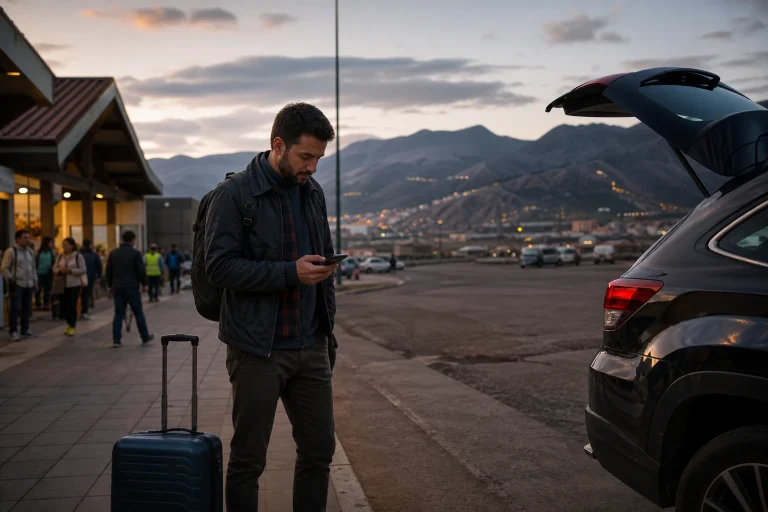
A flight arrival in Cusco should be the start of the trip, not a promise that every later connection will run to a minute-by-minute plan. Avoid booking a same-day train, distant tour departure, or non-movable activity on the assumption that an airport transfer will take a fixed amount of time.
Confirm live flight information, ground-transfer arrangements, and rail or tour departure details as you book. If missing one connection would reshape the rest of the trip, arrive earlier or leave a wider gap. A little spare time on arrival is usually more valuable than a tightly optimized first afternoon.
A Cusco Airport to Historic Center transportation guide can help map the arrival options, but use it as a planning framework rather than a fixed timetable. Check the pickup instructions in each confirmation and keep the arrival day light enough to absorb a change.
Mistake 3: Assuming every Machu Picchu ticket gives the same visit
Machu Picchu entry is not a one-size-fits-all purchase. The current official structure has three circuits and 10 routes, grouped as panoramic, classic, and royalty circuits. Selecting a ticket without understanding its route can leave you with a visit that does not match the views, walking experience, or priorities you had in mind.
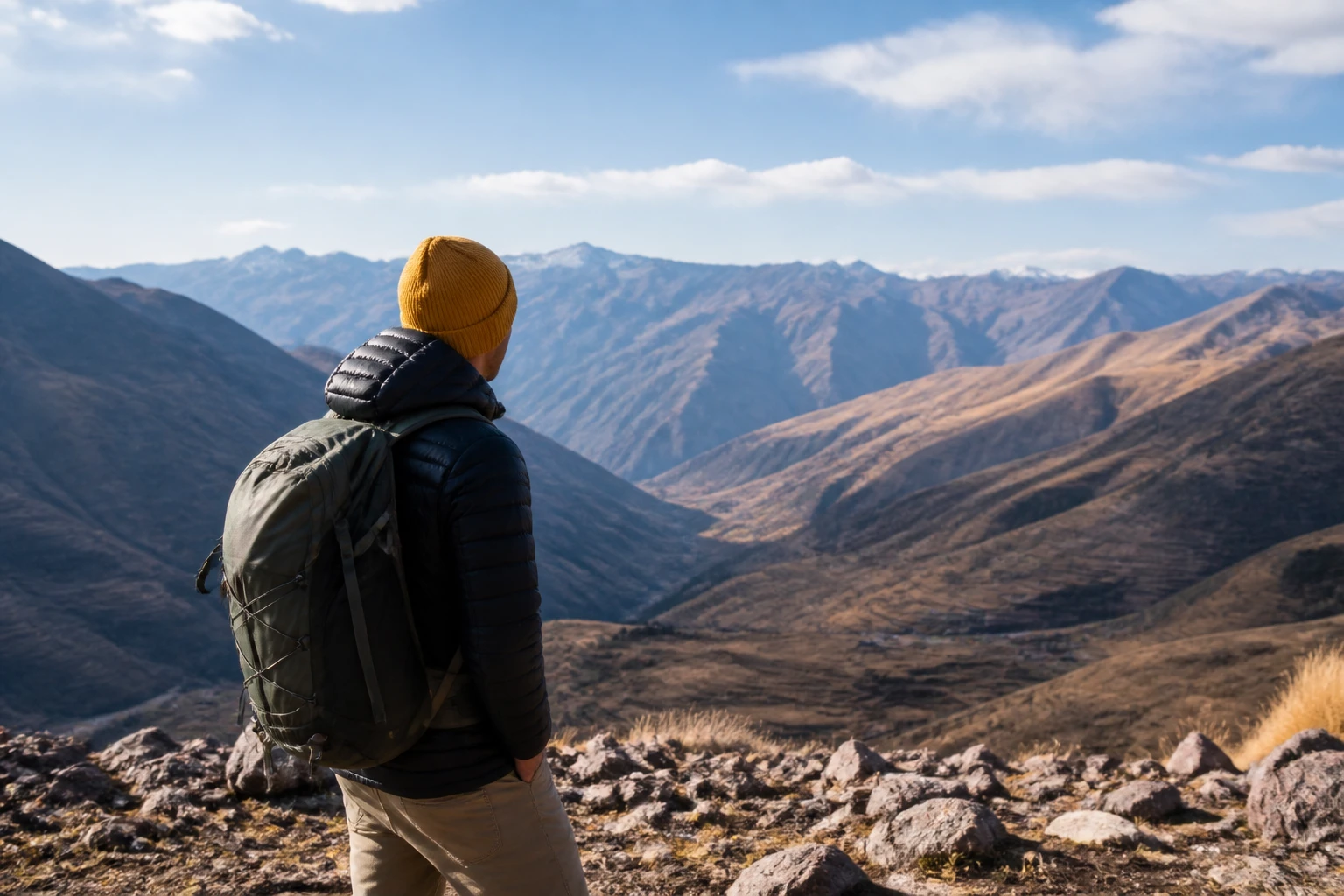
Start with one clear question: what matters most on this visit? A route suited to broad views is not automatically the same as one suited to a classic archaeological visit or a more specific walking goal. Read the circuit and route description before payment rather than relying on a general image of Machu Picchu.
Some routes, including Intipunku, Inka Bridge, Great Cavern, and Huchuypicchu, are offered only in high season. Route choice also has terrain and walking implications. Travelers with mobility needs should confirm their exact circuit and requirements with the official booking or park channels before purchase, since route-by-route accessibility promises should not be assumed.
A Machu Picchu day trip from Cusco works best when the entry route, transport plan, and time on site are chosen together. Pick the experience first, then build the day around the ticket that supports it.
Mistake 4: Gambling on a last-minute walk-up ticket
Arriving in Machupicchu Pueblo without an advance ticket is not a reliable same-day strategy. The Ministry of Culture sells 1,000 tickets in person each day, subject to capacity, and an in-person purchase permits entry on the following day. That changes the shape and cost of a last-minute plan.
A walk-up approach can mean an added overnight stay, limited inventory, and less choice over entry time or route. It can work for travelers who have flexibility, but it is a poor fit for anyone with fixed train plans, a short stay, or a particular circuit in mind.
Book ahead when Machu Picchu is a trip-defining priority. If you choose to try the in-person option, leave room for another night and be prepared to adapt the rest of the itinerary around the ticket that is available.
4 Day Private Tour Cusco Sacred Valley and Machu Picchu
Discover the highlights of Cusco on a carefully planned journey that combines history, culture, and spectacular Ande...

5 Day Tour Cusco Machu Picchu and Rainbow Mountain
Immerse yourself in the rich Inca heritage with this exclusive 5-day tour from Cusco. Begin with a guided exploratio...

Best Andean View of Peru 6-Day Cusco, Machu Picchu, and Lake Titicaca Tour
Visit all of Peru's top attractions on this 6-day, small-group tour. Spend time in Cusco, the Sacred Valley of the I...
Mistake 5: Giving the rainy season no room to breathe
The November-to-May rainy season calls for a more forgiving Cusco itinerary. Heavy rain in the Andes can disrupt flights, tourist sites, provincial roads, walking routes, and routes toward Machu Picchu through landslides or mudslides. A schedule that works neatly on paper can become fragile when every day has a fixed connection.
Protect the important parts of the trip by adding a buffer before an international flight or any onward connection you cannot miss. Favor reservations with workable change conditions where possible, pack warm layers, and keep essential booking details available offline. These are small preparations that make it easier to respond calmly if conditions shift.
Do not abandon rainy-season travel plans solely because the forecast looks wet. Instead, avoid arranging the trip so that one delayed road, train, or flight leaves no alternative. A free day near the end of a Cusco stay can be far more useful than an extra tightly scheduled excursion.
Mistake 6: Assuming transport will stay normal until departure day
Protests can arise with little notice in Peru and can lead to roadblocks and wider travel disruption, including trains. Southern rail services to and from Machu Picchu have occasionally been affected. A confirmed reservation is important, but it does not make a route immune to changing conditions.
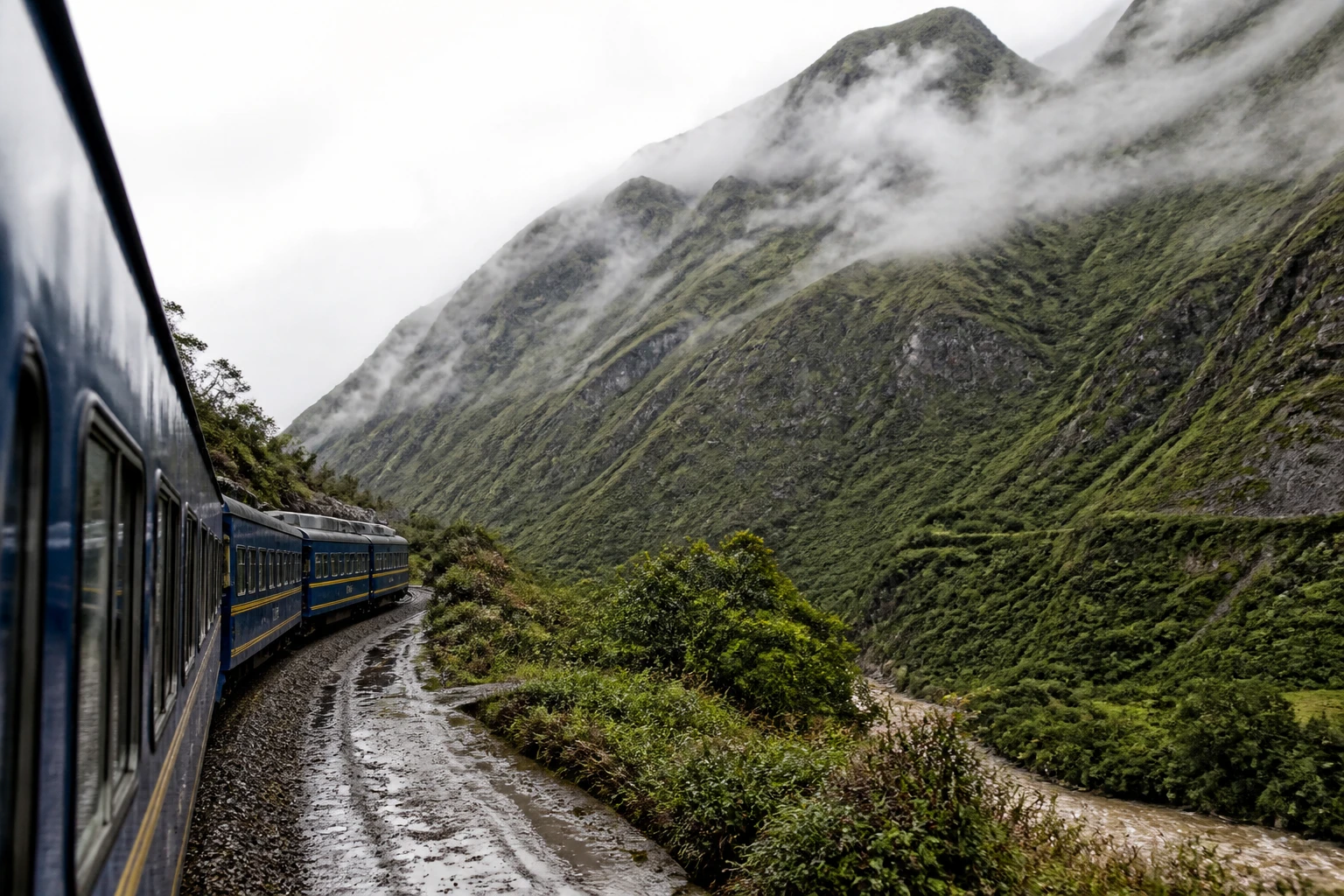
Shortly before major travel days, check directly with transport providers and follow local reporting. Build extra time into rail and road journeys, particularly if the connection leads to a flight or a fixed tour. Carry accessible cash, water, food, and any needed medication rather than packing them out of reach.
Choosing the right train to Machu Picchu is about more than the route or service style. Keep the booking details handy, know the departure requirements, and leave enough margin in the broader itinerary to deal with a change if one occurs.
Mistake 7: Treating informal money exchange as a harmless shortcut
Saving a few moments at an informal street exchange can create an expensive headache. Counterfeit US and Peruvian notes are reported in circulation, and there have been reports of tourist-area changers in Cusco passing obsolete Peruvian intis. Use established bank or exchange channels instead.
Inspect the notes you receive before leaving the counter, not later when the transaction is harder to resolve. Keep a manageable amount of cash accessible for practical needs, but do not let a rushed exchange become the weak point in an otherwise careful travel plan.
Build a Cusco itinerary with room for the unexpected
A well-sequenced three-day Cusco itinerary is not a race to check off every possible outing. It is a clear order of priorities: arrival and adjustment first, the most important booked experience next, then enough open space to cope with weather or transport changes. Count arrival and departure days honestly when deciding what will fit.
- Keep arrival day free of high-elevation exertion and tight onward connections.
- Book the Machu Picchu circuit that fits your intended visit, rather than selecting the first available ticket.
- Place a buffer before fixed onward travel, especially during the rainy season.
- Use the remaining time for activities that can be moved more easily if weather or transport plans change.
This approach does not make every variable disappear. It does make the itinerary easier to manage. When a high-elevation outing, Machu Picchu entry, and onward travel all matter, protect them by avoiding the temptation to put them back-to-back with no recovery time.
Still comparing Airport Transfers?
Ask for tour ideas, hotel suggestions, or a simple trip plan that combines both.
Trip Helper
The smartest Cusco plan is the one with breathing room
Cusco suits travelers who plan with intention but stay adaptable. Acclimatize before demanding altitude, choose Machu Picchu tickets with care, and treat weather and transport conditions as reasons to leave a little space in the calendar. Those choices protect the moments you came for and make a short trip feel far less rushed.
Frequently asked questions about Cusco travel mistakes
A few practical answers can help you avoid the most disruptive planning errors before the trip begins.
Frequently asked questions
How long should I acclimatize before Palccoyo/Rainbow Mountain?
Plan one or two days of acclimatization before Palccoyo/Rainbow Mountain. The route reaches 4,900 m, so it is wise to schedule it after, rather than immediately upon, your arrival in Cusco.
Can I buy a Machu Picchu ticket in person and enter the same day?
No. An in-person Machu Picchu ticket purchase permits entry on the following day, and the 1,000 tickets sold daily in person remain subject to capacity.
Are all Machu Picchu tickets the same?
No. Machu Picchu uses three circuits and 10 routes, including panoramic, classic, and royalty options, so choose the route that suits your sightseeing and walking priorities before purchase.
Do I need a buffer day in Cusco during the rainy season?
Yes, a buffer day is a smart precaution during the November-to-May rainy season. Heavy rain can disrupt flights, roads, walking routes, tourist sites, and travel routes toward Machu Picchu.
What should I check shortly before traveling to Machu Picchu?
Check your transport provider and local reporting shortly before departure. Protests and roadblocks can arise with little notice, and southern rail services to and from Machu Picchu can be disrupted.
Is it safe to use informal street money changers in Cusco?
Use established exchange or bank channels instead. Counterfeit US and Peruvian notes are reported in circulation, and you should inspect bills before leaving the counter.
7Day Sacred Valley Machu Pichu Rainbow Mountain Humantay Lake
Experience the very best of Cusco on an unforgettable 7-day journey. Explore the city's rich history, discover the breathtaking landscapes of the Sacr...

Private Transfers From Cusco Airport To Hotels
Experience seamless travel in Cusco with our private transportation services, perfect for both groups and solo adven...

Guided Assistance -Hassle-free service -Airport -Hotel transfers
We provide 100% reliable assistance with our trained staff to offer you the best welcome upon arrival at the airport...

Cusco Airport to hotel Transfer: Fast, Reliable Drop-Off
✅ Flight-Tracked, Stress-Free Pickup: We monitor your flight in real time to ensure we're there when you arrive—...
Experiences to explore
 Explore experience ↗
Machu Picchu & Sacred Valley Tour - 4 Day Easy Acclimatization
◷ 96 hr
Welcome to the smartest, most comfortable way to experience the wonders of the Inca Empire without the worry of altitude sickness. Our
See dates for Current pricing
View dates Explore experience ↗
Cusco 4-Day: Short Inca Trail, Machu Picchu, Humantay & Rainbow
◷ 96 hr
Unlike standard tours, this 4-day package combines the Short Inca Trail, Machu Picchu, Rainbow Mountain, and Humantay Lake—offering cul
See dates for Current pricing
View dates Explore experience ↗
5 Day Sacred Valley, Cusco and Short Inca Trail to Machu Picchu
◷ 120 hr
This Tour will be permformed in the Sacred Valley. Located between Cusco and Machu Picchu, this valley is known for its lush landscape,
See dates for Current pricing
View dates