
Best Cusco Hikes for First Timers
For first-time hikers in Cusco, two official Inca Trail Network routes offer the clearest path to Machu Picchu. Route 5 condenses the experience into one substantial day on the trail, while the classic Camino Inca unfolds across four days and three nights of trekking and camping. Both reach remarkable Inca sites before Machu Picchu, but they demand very different amounts of time, preparation, and commitment.
- Choose Route 5 for a 10.5 km, one-day Inca Trail hike from Chachabamba through Wiñaywayna and Intipunku before Machu Picchu.
- Choose the classic Camino Inca for a 33.7 km trek over four days and three nights, with camping, Warmiwañuska, archaeological sites, and Intipunku.
- Reserve through an agency authorized for the Historic Sanctuary of Machu Picchu before confirming flights, hotels, or train travel.
- April through October is the recommended visiting season, but layers, rain protection, sunscreen, and sturdy footwear are useful year-round.
- Treat the Inca Trail entry tariff as one part of the budget, not the full cost of a guided trek.
Start by choosing the right Inca Trail commitment
The best first hike depends less on a single label of difficulty and more on the kind of trip you want to take. Route 5 is built around a single hiking day and a rail connection to its trailhead. The classic Camino Inca is a multi-day experience in which the trek and camping are central to the journey. Both require organized entry and should be chosen with an honest view of your available time and comfort with sustained walking.

2 Day Hiking Short Inca Trail to Machu Picchu
2 Day Short Inca Trail to Machu Picchu passing some incan sites and get Machu Picchu by the sungate • Hike Inca Trail to Machu Picchu • Get Mac...

2-Day Short Inca Trail to Machu Picchu – Vistadome & 4-Star Hotel
Travel confidently with Alpaca Expeditions, Peru's #1 Tour Operator! The Short Inca Trail tour is perfect if you ar...

4 Day Classic Inca Trail to Machu Picchu by 360° Train
Classic Inca Trail Trek «the ancient stone paved Inka trail to Machu Picchu is Peru’s number one Inca tours 4-Day...

Classic Inca Trail Expedition to Machu Picchu 4D/3N
Explore the 4 day legendary Inca Trail to Machu Picchu with experts who knows it the best! Trip Type: Hiking, campi...
Route 5 is the practical one-day Inca Trail option
Route 5 starts at Chachabamba, also known as Km 104, and covers 10.5 km in one day. The route passes Wiñaywayna and Intipunku before reaching Machu Picchu. That sequence gives first-time visitors a focused Inca Trail experience without setting aside multiple nights for a trek, making it a strong fit for travelers who want hiking to be a major day of their Cusco itinerary rather than the entire itinerary.
The shorter format is a time advantage, not a promise of an effortless walk. Route 5 remains a 10.5 km hiking route in a protected mountain setting. Choose it because a one-day commitment works for your plans, then prepare for changing conditions with suitable footwear, layers, rain protection, sun protection, and enough care to stay comfortable throughout the route.
Getting to Chachabamba is part of the experience. Access is by train from Cusco or Ollantaytambo, so confirm the trail arrangement before buying rail tickets. Choosing the Right Train to Machu Picchu is a useful companion for the train-planning side of Route 5, especially when matching an early departure and return journey to a confirmed hiking date.
Who should pick Route 5
Pick Route 5 if you want to arrive at Machu Picchu on foot but have limited days for trekking. It suits travelers who are comfortable with a sustained day of walking, prefer sleeping indoors rather than camping, and want room in the rest of their trip for Cusco or the Sacred Valley. It should not be planned as a wheelchair-suitable or adapted-access route.
The classic Camino Inca suits first-time multi-day trekkers
The classic Camino Inca begins at Piskakuchu, or Km 82, and runs for 33.7 km over four days and three nights. Travelers reach the trailhead by tourist bus from Cusco. The route includes Warmiwañuska, several archaeological sites, and Intipunku before Machu Picchu, with camping forming part of the experience rather than an optional add-on.
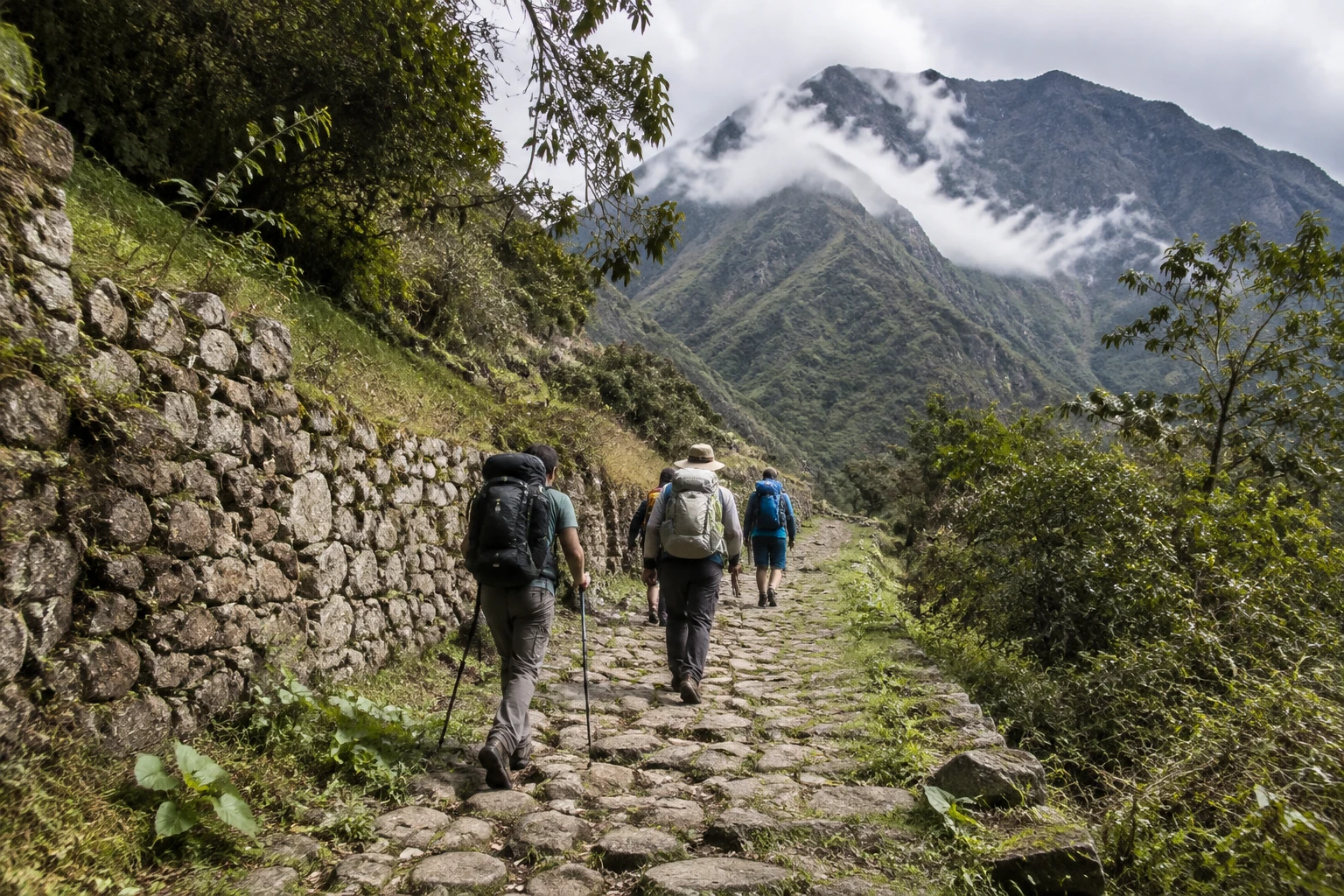
This is the route to choose when the trek itself is the heart of the trip. Four days and three nights leave space for a longer progression through the Inca Trail Network, but they also require more room in the itinerary, more outdoor preparation, and a greater willingness to organize the rest of the journey around the trail. It is a rewarding commitment for a prepared first-time trekker, not a rushed side trip.
The classic route and Route 5 share a memorable final approach through Intipunku, yet they create very different travel rhythms. Route 5 joins a train journey to a single day of hiking. The classic route begins by bus from Cusco and builds toward Machu Picchu across several days, including camping and a longer collection of trail experiences.
Compare Route 5 and the classic Inca Trail at a glance
| Route | Distance and duration | Trailhead and access | Route highlights | Best fit |
|---|---|---|---|---|
| Route 5 | 10.5 km; one day | Chachabamba, or Km 104; train from Cusco or Ollantaytambo | Wiñaywayna, Intipunku, Machu Picchu | Travelers seeking a one-day Inca Trail commitment |
| Classic Camino Inca | 33.7 km; four days and three nights | Piskakuchu, or Km 82; tourist bus from Cusco | Warmiwañuska, archaeological sites, Intipunku, Machu Picchu | Travelers who want a multi-day trek and camping experience |
Use the comparison as a planning tool rather than a test of ambition. A first visit to Cusco can be just as meaningful with one well-chosen hiking day as with a multi-day trek. Route 5 has the lighter schedule commitment. The classic Camino Inca is the fuller immersion. The right decision is the one that leaves enough time to prepare, travel comfortably, and enjoy Machu Picchu without forcing the rest of the trip into a tight squeeze.
- Count the days available. Route 5 takes one day, while the classic Camino Inca requires four days and three nights.
- Decide if camping belongs in your ideal trip. It is part of the classic route experience.
- Match the approach to your transport plans. Route 5 uses a train connection, while the classic route begins with tourist bus access from Cusco.
- Focus on the sites that matter most to you. Route 5 includes Wiñaywayna and Intipunku; the classic route includes Warmiwañuska, archaeological sites, and Intipunku.
- Do not select either route on accessibility assumptions alone. Both are walking routes, and individual mobility or health concerns deserve professional advice before booking.

Classic Inca Trail to Machu Picchu 4 Days - Private Service
Exploring the Classic Inca Trail 4-Day, it is a unique experience that will never be forgotten in your life. This T...

Private Inca Trail to Machu Picchu 4-days
Hiking the Classic Inca Trail is a once-in-a-lifetime experience. With breathtaking views of the Andean Mountains an...

Salkantay Trek & Inca Trail to Machu Picchu 7D-6N
Salkantay and Inca Trail to Machu Picchu 7 days is amazing and offers tourists a mix of Salkantay trek and the Class...
Book the trail before arranging the rest of your trip
Entry to the Inca Trail Network is available only through travel and tourism agencies authorized by the Historic Sanctuary of Machu Picchu and SERNANP. Confirm that authorization before paying a deposit or organizing your itinerary around a trail date. The Ministry of Culture opened 2026 Camino Inca reservations through the official ticket system, so the trail place should be the anchor for flights, hotels, trains, and onward plans.
For Route 5, secure the hiking arrangement before fitting in the train to Chachabamba. For the classic route, block out all four days and three nights before making firm plans elsewhere in Peru. This order keeps the logistics simple and avoids building a train, hotel, or flight schedule around dates that do not match the authorized trail arrangement.
The Inca Trail Network reopened on March 2, 2026, after its early-year interruption. Conditions on a protected mountain route can still change with weather, trail notices, or transport disruptions. Check the details in your confirmation and current notices shortly before departure, then keep the hiking day free of competing plans.
Understand entry tariffs before comparing packages
SERNANP lists Inca Trail Network entry tariffs of S/292 for adults, S/147 for students, and S/135 for schoolchildren. These are entry tariffs, not complete trek prices. A guided arrangement can include different combinations of transport, food, porter support, equipment rental, and accommodation, depending on the route and operator. Compare the inclusions alongside the price rather than assuming every package covers the same items.
Plan around the weather and pack for changing mountain conditions
April through October is the recommended season for visiting the Inca Trail, while November through March is the rainy season. The drier months are generally easier for a first trek to plan around, although mountain weather still changes quickly. Official guidance describes Inca Trail conditions around 18°C to 5°C, with colder high-elevation sections, so it is sensible to prepare for both sun and a sharp drop in temperature.

Build your packing around flexible layers rather than one bulky item. A rain layer, sun protection, appropriate hiking footwear, sunscreen, and insect repellent all belong in the practical essentials. Your authorized operator can explain any route-specific equipment needs and clarify what is included in the selected arrangement.
- Light layers for warm and cool stretches of the route
- Rain protection in every season
- Route-appropriate hiking footwear
- Sunscreen and insect repellent
- A reusable way to carry personal items and take waste out with you
Do not use Machu Picchu visitor capacity as a shortcut for judging trail availability. During the higher-capacity period from June 19 through November 2, 2026, the Llaqta de Machupicchu has a maximum capacity of 5,600 visitors per day. That figure applies to the citadel, not to Route 5 or classic Inca Trail permits, which must be checked through the authorized booking process.
Prepare responsibly for a first Cusco hiking experience
Neither Route 5 nor the classic Camino Inca should be planned as a step-free, wheelchair-suitable, or adapted-access hike. Travelers with mobility, cardiac, respiratory, or altitude-related concerns should seek individualized professional advice and discuss current route conditions with an authorized operator before booking. Altitude in Cusco: How to Acclimatize Without Wasting Your Trip is also useful reading when organizing the non-hiking days of a first visit.
On the trail, follow ranger instructions and remain on marked routes. Carry appropriate clothing, use sunscreen and insect repellent, avoid single-use plastics, and pack out waste. These small habits protect a sensitive historic landscape and help keep the experience focused on the stone paths, mountain views, and archaeological sites rather than preventable problems.
An authorized operator is more than a booking channel. It is the required way to enter the Inca Trail Network, and it is the right source for the route-specific meeting details, current conditions, and practical arrangement for the trek you have selected. Review the confirmation closely once the reservation is in place.
Still comparing First Time Inca Trail Route Comparison?
Ask for tour ideas, hotel suggestions, or a simple trip plan that combines both.
Trip Helper
Fit the hike into a first Cusco itinerary
Route 5 leaves more room for a wider Cusco trip because it is a designated one-day route. Its train connection also makes Ollantaytambo a useful part of the travel plan. The Sacred Valley Travel Guide From Cusco can help travelers who want to combine a hiking day with time around the valley instead of treating the trek as an isolated excursion.
The classic Camino Inca needs a larger, protected block in the itinerary. Set aside the full four days and three nights, then avoid scheduling inflexible onward travel until the trek is complete. Travelers who prefer to experience Machu Picchu primarily by rail can compare this approach with Machu Picchu Day Trip From Cusco, a useful alternative when camping or a sustained hiking route does not match the trip.
Choose the route that lets you enjoy the journey
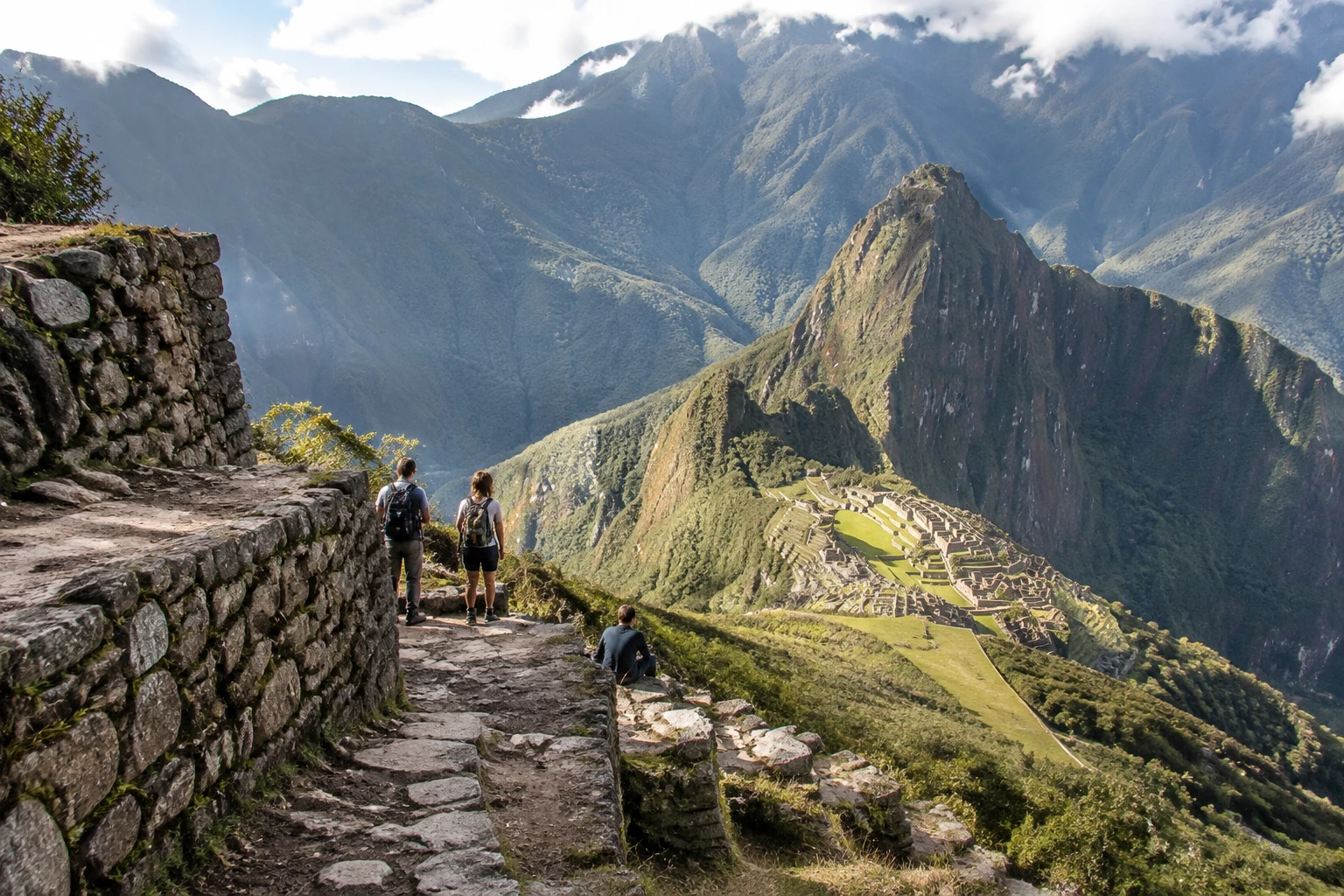
Route 5 is the best Cusco hiking choice for first-timers who want an Inca Trail day with Wiñaywayna, Intipunku, and Machu Picchu, without a multi-night trek. Choose the classic Camino Inca when camping and four days on the trail are the main reason for the journey. In either case, reserve through an authorized agency first, prepare for cool and changeable conditions, and let the confirmed trail date shape the rest of the trip.
Frequently asked questions
Which Cusco hike is best for first-time hikers?
Route 5 is the best fit for first-time visitors who want a one-day Inca Trail hike to Machu Picchu. It covers 10.5 km from Chachabamba through Wiñaywayna and Intipunku, while the classic Camino Inca is better for travelers who want a four-day, three-night trek with camping.
Is Route 5 an easy hike?
No, Route 5 should not be treated as easy simply because it takes one day. It is a 10.5 km walking route, so choose it for its shorter time commitment and prepare with suitable footwear, layers, rain protection, and sun protection.
Can I hike the Inca Trail independently?
No. Entry to the Inca Trail Network is only through travel and tourism agencies authorized by the Historic Sanctuary of Machu Picchu and SERNANP.
How much is the Inca Trail entry fee?
The listed Inca Trail Network entry tariff is S/292 for adults, S/147 for students, and S/135 for schoolchildren. It is an entry fee rather than the total cost of a guided trek, which can also include transport, food, porter support, equipment, and accommodation.
When is the best season for the Inca Trail?
April through October is the recommended visiting season, while November through March is the rainy season. Carry layers and rain protection in any season because conditions can range around 18°C to 5°C, with colder high-elevation sections.
Are Route 5 and the classic Inca Trail wheelchair accessible?
Do not plan either route as a wheelchair-suitable or adapted-access hike. Travelers with mobility, cardiac, respiratory, or altitude-related concerns should get individualized professional advice and check current route conditions with an authorized operator before booking.
Does Machu Picchu visitor capacity show Inca Trail permit availability?
No. Machu Picchu visitor capacity applies to the Llaqta de Machupicchu, not to permits for Route 5 or the classic Camino Inca.
Private Inca Trail to Machu Picchu 4-days
Hiking the Classic Inca Trail is a once-in-a-lifetime experience. With breathtaking views of the Andean Mountains and archeological wonders dotted alo...

Inca Trail to Machu Picchu - 4 day tour
The Classic Inca Trail is the most popular walking route in Latin America. The Incas built a very extensive network...

Inca Trail Trek to Machu Picchu - 2 Days (Private Tour)
Experience the most iconic section of the Inca Trail in just two unforgettable days. Begin at Kilometer 104 and hike...

4 Day Inca Trail to Machu Picchu - Best Hiking Tour.
Experience the 4-day Inca Trail with Machu Picchu Andes Tours a local operator from Cusco, Peru! Live the experienc...
Experiences to explore
 Explore experience ↗
4 Day Classic Inca Trail to Machu Picchu by 360° Train
◷ 96 hr
Classic Inca Trail Trek «the ancient stone paved Inka trail to Machu Picchu is Peru’s number one Inca tours 4-Day tour and one of the m
From $1,080.00 USD
View dates Explore experience ↗
Classic Inca Trail Expedition to Machu Picchu 4D/3N
◷ 96 hr
Explore the 4 day legendary Inca Trail to Machu Picchu with experts who knows it the best! Trip Type: Hiking, camping, adventure, histo
From $990.00 USD
View dates Explore experience ↗
Inca Trail 4-Day Hiking Tour to Machu Picchu from Cusco
◷ 96 hr
Enjoy this trek to Machu Picchu, which is the only one to take you along the original Inca Trail, and reach the Sun Gate before sunrise
See dates for Current pricing
View dates